The Best Makati Condos for Expats Working in the CBD in 2026
The Best Makati Condos for Expats Working in the CBD in 2026
By MSC Editorial — the in-house editorial team of Manila Skyline Condos, tracking Makati CBD condo developments, expat relocation patterns, and live condo inventory across the Philippines.
An expat searching "best Makati condos" is usually not asking a lifestyle question. They are asking which specific tower, in which specific village, actually has units available right now — and whether they, as a foreigner, can legally own one. Makati has answers on both counts, and this guide gives them plainly: the real, currently-marketed developments across Makati's CBD villages, organized by what an expat actually cares about — commute to Ayala Avenue, pre-selling versus move-in-ready, and budget tier — with the ownership rules folded in rather than treated as a footnote.
One honest note up front, because it shapes everything below: Manila Skyline Condos does not currently sell or represent any Makati building. The developments named here are real, active, and factually described — developer, district, unit types, and price tier — but they are named for market context, the way a relocation guide names hospitals or schools. If a Makati address is genuinely the goal, the fastest path is still to tell us your budget and target district; we route Makati-focused buyers to what actually exists today, including nearby BGC-area alternatives with live inventory.
Key Takeaways
- Five real, currently-marketed Makati developments anchor this guide — Parkford Suites Legazpi and Edades West (pre-selling), Fortis Residences (pre-selling), and The Estate Makati and Air Residences (RFO) — spanning Legazpi Village, Rockwell, Chino Roces Avenue, and the Ayala Avenue core.
- District choice matters more than building choice for most expats — Salcedo and Legazpi villages are the walkable, central default; Rockwell is the upscale self-contained option; Poblacion is the lowest-entry, highest-energy choice.
- Foreigners can legally own any of these units outright under the Condominium Act, subject to the building's 40% foreign-ownership cap — the same rule that applies anywhere in the Philippines.
- Manila Skyline Condos has no live Makati inventory. These buildings are named factually for context; we are not their seller, broker, or authorized agent, and there are no links to any of them here.
- Pre-selling towers let an expat lock a Makati-orbit unit with a staggered payment plan across construction, rather than a lump-sum cash purchase — the mechanism most working expats actually use.
- A BGC-area alternative is worth comparing before committing — Manila Skyline Condos has verified, live inventory a short drive from the Makati CBD.
Quick orientation: This guide names real Makati buildings for context only. For the fuller neighborhood picture, see the living in Makati 2026 pillar guide; for the money side, see cost of living in Makati and the head-to-head Makati vs BGC comparison. Foreign buyer? Start with can foreigners buy a condo in the Philippines.
Why Do Expats Choose to Live in Makati's CBD?
Makati is where a large share of Metro Manila's multinational offices, embassies, and corporate headquarters sit, and for an expat on a company assignment the calculus is simple: living inside or beside the CBD turns a 45-minute commute into a 10-minute walk. Makati is also the Philippines' most established central business district, which means the expat infrastructure — international schools within reach, private hospitals like Makati Medical Center, embassies clustered nearby, and a restaurant and grocery scene built for a global palate — already exists rather than being built out around a newer township.
The trade-off is price and building age. Makati's prime villages sit at the top of the Metro Manila per-square-meter market, and much of the CBD's residential stock is older than BGC's newer towers across the C-5 corridor. For an expat weighing "central and established" against "newer and cheaper," Makati wins on the first axis decisively and loses, sometimes, on the second — which is exactly why naming the actual developments and their price tiers matters more than describing the CBD in the abstract.
There is also a relocation-package angle worth naming directly. Many multinational employers cap a housing allowance at a figure calibrated to Makati or BGC rents, not Makati purchase prices, which means an expat evaluating a Makati condo is often comparing a subsidized rental against an unsubsidized purchase — two genuinely different financial decisions dressed up as one question. Understanding which of the developments below is realistically reachable on a purchase basis, versus which district is realistically reachable on a housing-allowance rental basis, is the first fork in the decision tree, and it matters more than any single building's amenity list.
Which Makati District Fits an Expat's Daily Routine?
Every building named below sits inside one of four districts, and the district answers more of the "is this right for me" question than the building itself. Salcedo Village and Legazpi Village are Makati's walkable CBD core — five- to ten-minute walks to Ayala Avenue offices, the Salcedo Saturday and Legazpi Sunday weekend markets, and the Greenbelt and Glorietta mall complex. This is the default answer for most relocating professionals. Rockwell Center is a self-contained, master-planned upscale enclave anchored by Power Plant Mall — quieter, more residential, and priced at the top of Makati's table. Chino Roces Avenue, just south of the CBD core, offers newer mid-upper developments at a relative discount to Salcedo pricing while remaining a short ride from Ayala Avenue. Poblacion, Makati's nightlife-and-creative quarter, is the lowest-entry district and suits an expat who prioritizes energy and price over quiet.
The practical rule for expats: if your office is on or near Ayala Avenue, Salcedo or Legazpi keeps your commute under fifteen minutes on foot. Everything else on this list trades some of that walkability for price, space, or seclusion.
What Are the Best Pre-Selling Condo Options for Expats in Makati?
Pre-selling means buying a unit while the building is still under construction, paying in staggered installments across a two-to-four-year build rather than in cash upfront — the mechanism that makes a central Makati address reachable for a working professional rather than only a cash buyer. Three currently-marketed pre-selling developments are worth knowing.
Parkford Suites Legazpi, developed by Alveo Land (an Ayala Land company), sits on the corner of Gamboa and Salcedo Streets in Legazpi Village — inside the walkable CBD core described above. It is a 163-unit tower offering 2-bedroom and 3-bedroom layouts averaging roughly 151 square meters, priced at the luxury end of the market (market estimates in the roughly ₱40M–₱80M range, averaging near ₱55M), with turnover reported starting in the second half of 2026. For an expat wanting a family-sized unit inside the CBD's most walkable villages, this is currently the clearest Ayala-brand option.
Fortis Residences, developed by DMCI Homes on Chino Roces Avenue, is a resort-inspired 36-floor tower offering 1-bedroom units from roughly ₱14.3M, 2-bedroom units from roughly ₱72.5–₱100 sqm-priced tiers, and larger 3-bedroom layouts, with a targeted December 2027 turnover. It sits a short ride from the Ayala Avenue core rather than inside it, which is the trade a mid-upper budget makes here for a newer building and a relatively lower entry price than Salcedo or Legazpi proper.
Edades West, developed by Rockwell Land inside Rockwell Center in Barangay Poblacion, offers 2-bedroom and 3-bedroom units across 217 total units, at Rockwell's upscale price tier. This is the pre-selling option for an expat who has already decided Rockwell's self-contained, quieter character is worth the premium over the CBD-core villages.
None of these three are sold or represented by Manila Skyline Condos. They are named here, factually, as reference points for what is actively marketed in Makati today — verify current pricing, availability, and turnover directly with the developer or a licensed broker before treating any figure here as a quote.
What Are the Best Move-In-Ready Condos for Expats in Makati?
An expat on a tighter relocation timeline — one who needs to move in within months, not years — needs ready-for-occupancy (RFO) inventory, not a pre-selling construction schedule. Two currently-relevant RFO developments anchor this category.
The Estate Makati, a joint venture between SMDC and Federal Land, sits on Ayala Avenue in Barangay Urdaneta — the last available parcel on Makati's so-called Apartment Ridge. It is an ultra-luxury super-tall tower, reported at roughly 270 meters, taller than Discovery Primea, and is completing turnover as of the mid-2020s. This is the top-tier option for an expat whose relocation package covers the CBD's most premium address.
Air Residences, developed by SMDC just off Ayala Avenue, is a 59-floor tower that turned over around 2021 and is now resale-only rather than a developer pre-sell. For an expat who wants an established building with a track record — rather than a brand-new tower with no operating history — Air Residences is the kind of resale option worth researching directly through licensed brokers.
RFO buildings carry a different budget shape than pre-selling. Instead of a staggered construction-period payment plan, an RFO purchase is typically cash, bank-financed, or a resale transaction closer to full price upfront — a meaningfully different cash-flow decision than the pre-selling towers above.
Is Rockwell or Salcedo the Better Fit for an Expat Family?
For a single professional, Salcedo or Legazpi's walkability usually wins on convenience alone. For an expat family, the calculus shifts, and it is worth naming the trade plainly rather than defaulting to "it depends." Rockwell Center's appeal for a family is that it was built, decades ago, as Makati's own version of a self-contained masterplan — wide internal roads, Power Plant Mall handling groceries and errands without leaving the enclave, and a quieter, less nightlife-driven street level than Poblacion or even Salcedo after dark. Salcedo and Legazpi counter with proximity: shorter school runs if the family's chosen international school sits closer to the CBD core, and the weekend markets that make grocery shopping a neighborhood activity rather than a mall trip.
| District | Best fit | Trade-off |
|---|---|---|
| Salcedo / Legazpi Village | Single professionals, couples wanting max walkability to Ayala Avenue | Older building stock in parts of the villages; premium CBD-core pricing |
| Rockwell Center | Families wanting a self-contained, quieter enclave | Highest price tier in Makati; less street-level energy |
| Chino Roces Avenue | Budget-conscious families wanting newer stock at a relative discount | A short ride rather than a walk to the Ayala Avenue core |
| Poblacion | Younger singles prioritizing nightlife and lowest entry price | Noise, density, and a more transient renter base |
Sources: MANILA-BUILDINGS-TO-NAME.md (Manila Skyline internal reference, cross-checked against Alveo, DMCI, Rockwell, SMDC, and Federal Land listings, June 2026); developer figures are market estimates subject to change — confirm directly before deciding.
How Much Should an Expat Budget for One of These Condos?
Price tiers vary sharply by district and building, and the honest range spans nearly an order of magnitude. A Chino Roces Avenue 1-bedroom at Fortis Residences starts near ₱14.3M; a Legazpi Village 2-bedroom at Parkford Suites Legazpi averages closer to ₱55M; Rockwell's Edades West and the ultra-luxury tier at The Estate Makati sit higher still. For context on what these price levels translate to in monthly terms — rent comparisons, association dues, and buy-versus-rent math — the dedicated cost of living in Makati guide breaks down real monthly numbers across three worked budget profiles, and the sibling honest math on renting versus buying walks through the underlying payment mechanics that apply to any pre-selling tower, Makati or otherwise.
Two structural points matter for an expat budgeting specifically. First, association dues on Makati CBD buildings typically run ₱100–₱200+ per square meter per month — a real, recurring cost on top of any amortization or rent, and one that scales with unit size and amenity level. Second, a company relocation package that covers rent does not automatically cover a purchase; an expat weighing a Makati purchase against a company-subsidized rental should run both numbers before assuming buying is the better deal, since the ownership math depends heavily on how long the assignment is expected to run.
The pre-selling towers named above do not publish their current price lists and live promos online — developers release them per project and the terms shift as units sell. Tell us your budget and timeline and we'll help you understand what's realistic, Makati-orbit or otherwise.
Can a Foreigner Legally Buy One of These Makati Condos?
Yes, and this is the question that ends the search for many expats before it starts, so it is worth answering plainly. Under the Philippine Condominium Act (Republic Act 4726), a foreigner can own a condominium unit outright, in their own name, with full title — the only constraint is that total foreign ownership across the entire building cannot exceed 40%. A foreigner does not, and cannot, own the land underneath a condo building; the condominium corporation owns the land, and unit owners hold a proportional share through their unit title, which is precisely the legal structure that makes foreign condo ownership possible in a country where foreigners generally cannot own land directly.
In practice, this means every building named in this guide is legally purchasable by a foreign buyer, subject to that 40% cap being unfilled at the time of purchase — a detail a developer's sales office confirms per building, since the cap is tracked per project, not citywide. This is a materially different rule from what applies in many neighboring Southeast Asian markets, where foreign condo ownership is either barred outright or gated behind investment minimums well beyond a typical unit price — which is part of why Makati, and the Philippines generally, draws a steady stream of foreign buyers who researched the alternatives first. The fuller mechanics — required documents, the Foreign Investment Act's role, and how the cap is verified in practice — live in the foreigner's guide to buying a condo in the Philippines, and OFWs specifically weighing a Makati-orbit purchase from abroad should read the OFW guide to buying a Manila condo from abroad, which covers remote signing and remittance-based payment plans.
One thing the 40% rule does not affect: resale value, rental rights, or the ability to will the unit to an heir. A foreign-owned Philippine condo carries the same ownership rights as a Filipino-owned one — the cap only limits how many units in one building can be foreign-owned in total.
Why Consider a BGC Alternative Instead?
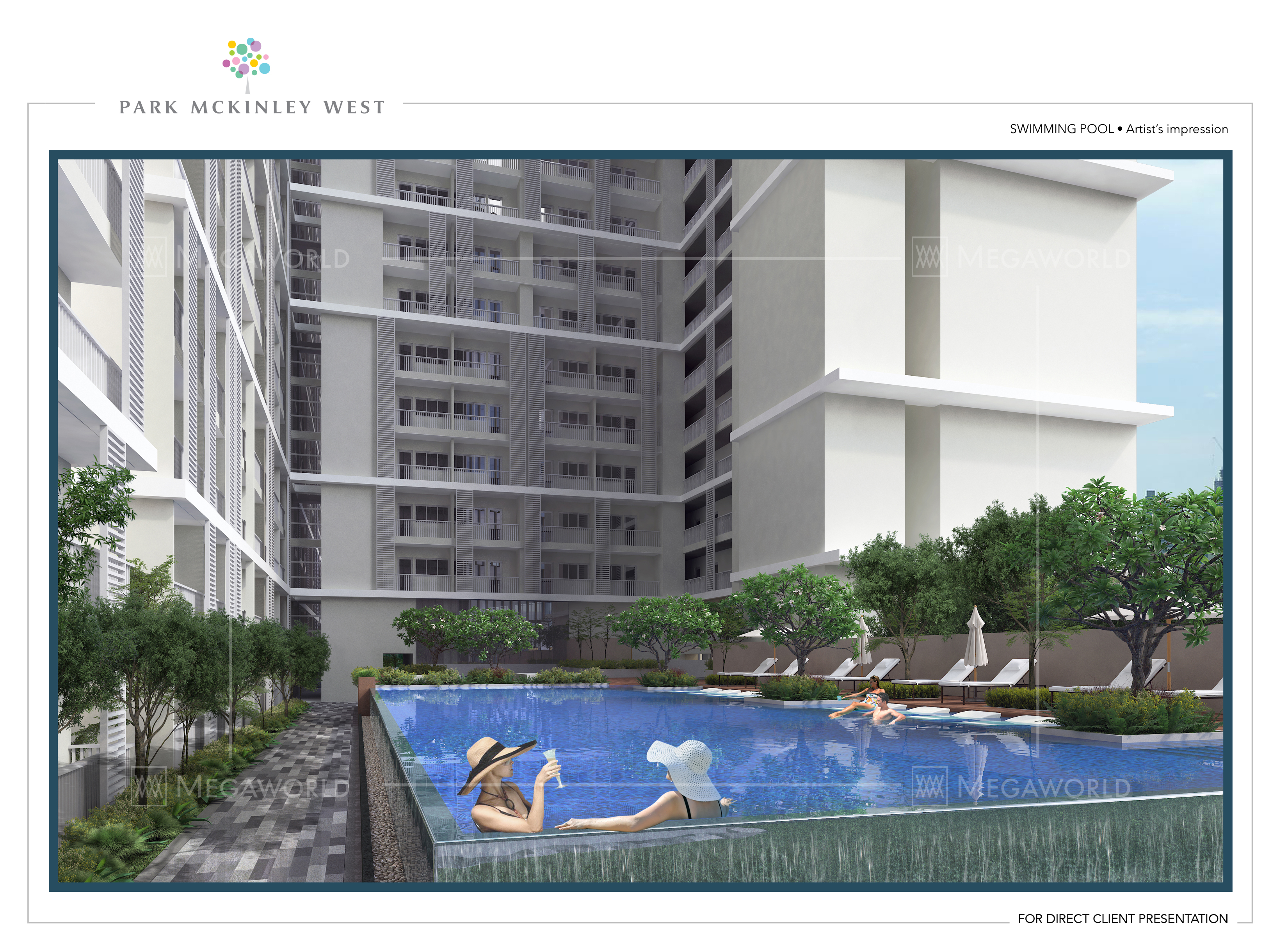
Because it is the honest comparison, not because it is the point of this guide. Bonifacio Global City sits a short drive across the C-5 corridor from Makati, and it is the one place in this guide where Manila Skyline Condos actually has live, verified inventory — Uptown Modern and Uptown Arts Residence in Uptown Bonifacio, and Park McKinley West in the adjoining McKinley West district. For an expat whose priority is a newer building with a payment plan we can actually show, rather than a Makati tower we can only describe, the BGC-area precincts are worth a direct look before deciding.
The trade is not a downgrade — it is a different bet. Makati offers decades of established street life, weekend markets, and today's MRT-3 rail access; BGC offers newer construction, wider sidewalks, and the most car-free walkability in Metro Manila, with a future subway alignment planned but not yet operating. The full head-to-head, including a real cost-of-living comparison, is in the Makati vs BGC guide, and the BGC-side lifestyle picture is in living in BGC 2026.
The practical takeaway for an expat comparing both: if the employer, the school, or the social circle genuinely anchors you to Makati, one of the five developments above is the honest starting point — verify directly with the developer. If the anchor is flexible, a BGC-area tower with a live price list, a specialist, and a walkthrough might be the faster path to actually moving in.
Making the Actual Decision
Five real Makati developments, four districts, two ownership timelines — pre-selling and RFO — and one rule that applies to all of them equally: a foreigner can own any unit here outright, subject to the building's 40% cap. What this guide cannot do is tell an individual expat which specific unit, floor, and payment plan fits their actual budget and timeline, because that information genuinely is not published online — developers release it per project, and it shifts as units sell.
Tell us your budget, your target district, and your timeline, and we will help you understand the realistic Makati-area path — alongside the live BGC-area inventory we can show you directly, including current price lists and a specialist for the buildings that fit.
About the Author
MSC Editorial is the in-house editorial team of Manila Skyline Condos. The team researches Philippine condo buying, financing, and neighborhoods using primary legal and developer sources, tracking Makati CBD development activity, foreign ownership rules, and live condo inventory across the Philippines.
A Quick, Honest Disclaimer
This guide is general information, not financial, investment, or relocation advice. Makati developments named here — Parkford Suites Legazpi, Fortis Residences, Edades West, The Estate Makati, and Air Residences — are real, currently-marketed projects referenced factually for market context; none is sold, brokered, or represented by Manila Skyline Condos. Prices, unit mixes, and turnover dates are 2026 market estimates that shift as units sell and should be confirmed directly with the developer or a licensed Philippine real estate broker before any decision. Foreign ownership rules are general guidance, not legal advice — contact us for a referral to appropriate legal counsel for your specific situation.
Frequently Asked Questions
What are the best Makati condos for expats in 2026?
Currently-marketed developments worth knowing include Parkford Suites Legazpi (Alveo Land, Legazpi Village, pre-selling), Fortis Residences (DMCI Homes, Chino Roces Avenue, pre-selling), Edades West (Rockwell Land, Rockwell Center, pre-selling), The Estate Makati (SMDC + Federal Land, Ayala Avenue, RFO), and Air Residences (SMDC, near Ayala Avenue, RFO/resale). None is sold by Manila Skyline Condos; verify current details directly with each developer.
Can foreigners legally buy a condo in Makati?
Yes. Under the Condominium Act (RA 4726), a foreigner can own a unit outright in their own name in any Makati building, subject to the building staying at or below a 40% total foreign-ownership cap. A foreigner cannot own the underlying land, which the condominium corporation holds instead.
Which Makati district is best for an expat working near Ayala Avenue?
Salcedo Village and Legazpi Village are the common picks — both sit within a five- to ten-minute walk of Ayala Avenue offices, with weekend markets and quick access to the Ayala Center malls. Rockwell suits an expat wanting an upscale, self-contained enclave a short ride away instead.
Does Manila Skyline Condos sell condos in Makati?
No. Manila Skyline Condos currently has no live property listing located in Makati. The developments named in this guide are real and factually described for market context, but we are not their seller, broker, or authorized agent. We can help connect Makati-focused buyers with appropriate resources, and we do have live inventory in the neighboring BGC-area precincts.
What is the difference between pre-selling and RFO in Makati?
Pre-selling means buying a unit while the building is still under construction, paying in staggered installments across a two-to-four-year build — Parkford Suites Legazpi, Fortis Residences, and Edades West are current examples. RFO (ready-for-occupancy) means the building is complete and move-in ready now, typically requiring cash, bank financing, or a resale transaction closer to full price upfront — The Estate Makati and Air Residences fall in this category.
How much does a Makati condo cost for an expat in 2026?
Prices span a wide range: Fortis Residences 1-bedroom units start near ₱14.3M on Chino Roces Avenue, while Parkford Suites Legazpi 2-bedrooms average closer to ₱55M in Legazpi Village, and Rockwell-tier developments like Edades West sit higher still. Association dues typically add ₱100–₱200+ per sqm per month on top of any purchase or rent figure.
Is Rockwell a good choice for an expat family in Makati?
Rockwell Center is a strong option for families wanting a self-contained, quieter enclave — it was built as Makati's own masterplanned community, anchored by Power Plant Mall, with less street-level nightlife than Poblacion or Salcedo after dark. The trade-off is Rockwell's price tier, which sits at the top of Makati's market.
Should an expat consider BGC instead of Makati?
It's worth comparing directly. Manila Skyline Condos has live, verified inventory in the neighboring BGC-area precincts — Uptown Modern, Uptown Arts Residence, and Park McKinley West — with current price lists we can show. Makati offers established street life and today's MRT-3 access; BGC offers newer construction and more car-free walkability. The full comparison is in the Makati vs BGC guide.
Is Air Residences still selling new units?
No. Air Residences by SMDC turned over around 2021 and is now a resale-only market — the developer is no longer selling new units directly. An expat interested in this building should work with a licensed broker for current resale listings, floor availability, and pricing.
What documents does a foreigner need to buy a Makati condo?
Requirements typically include a valid passport, proof of funds, and the developer's standard reservation and contract-to-sell documents; specific requirements vary by developer and by whether the buyer is purchasing in person or remotely. The full document checklist is covered in the foreigner's guide to buying a condo in the Philippines.
Can an expat buy a Makati condo remotely, without visiting the Philippines?
In many cases yes, through a Special Power of Attorney and remote-signing processes that developers increasingly support — this is the standard mechanism OFWs and overseas-based expats use. The mechanics, including remittance-based payment plans, are covered in the OFW guide to buying a Manila condo from abroad.
Sources
Building facts in this guide are drawn from Manila Skyline Condos' internal MANILA-BUILDINGS-TO-NAME.md reference (researched June 2026, cross-checked against developer and aggregator listings), verified against developer sources directly. Prices and turnover dates are market estimates that shift as units sell.
- Parkford Suites Legazpi (Alveo Land / Ayala Land) — Alveo Land: https://www.alveoland.com.ph ; Philippine News Agency and Inquirer Business project coverage, June 2026
- Fortis Residences (DMCI Homes) — DMCI Homes project listing: https://www.dmciprojects.net/listings/fortis-residences/
- Edades West (Rockwell Land) — Rockwell Land: https://www.rockwellland.com ; preselling.com.ph project listing
- The Estate Makati (SMDC + Federal Land) — SMDC: https://www.smdc.com ; Federal Land: https://www.federalland.ph
- Air Residences (SMDC) — SMDC: https://www.smdc.com
- Condominium Act foreign ownership rule (RA 4726, 40% cap) — LawPhil, Republic Act No. 4726: https://lawphil.net/statutes/repacts/ra1966/ra_4726_1966.html
- Makati CBD districts, Ayala Avenue, weekend markets — Makati Central Business District (Wikipedia): https://en.wikipedia.org/wiki/Makati_Central_Business_District
- Property pages (link targets, verified locations, June 2026): Uptown Modern, Uptown Arts Residence — Uptown Bonifacio, BGC, Taguig; Park McKinley West — McKinley West, Taguig (all Megaworld): https://manilaskylinecondos.com/properties
