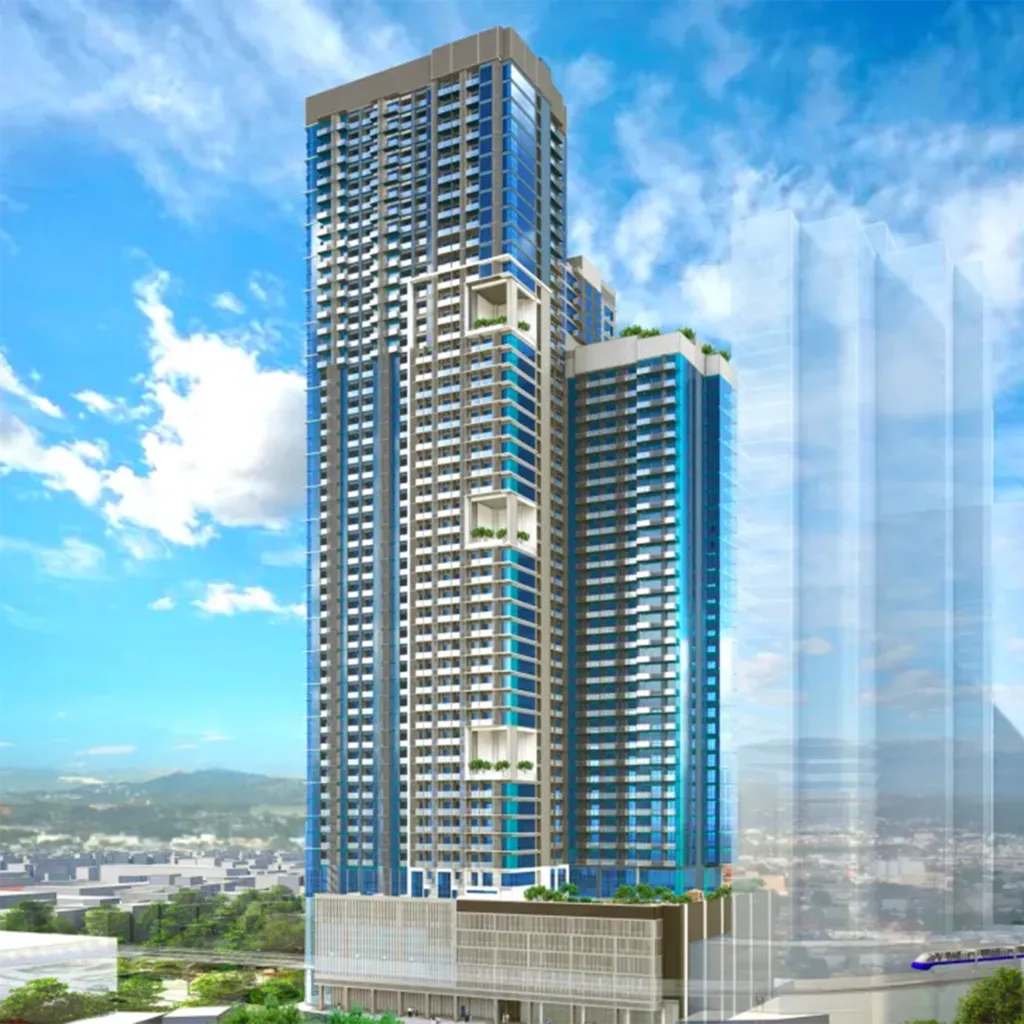
Is BGC a Good Place to Live for Foreigners Working in Manila?
Is BGC a Good Place to Live for Foreigners Working in Manila?
By MSC Editorial — the in-house editorial team of Manila Skyline Condos, tracking Metro Manila neighborhoods, foreigner living costs, and live condo inventory across the Philippines.
Short answer: for most foreign professionals working in Manila, yes — BGC is the easiest district in the metro to land in, walk around, and actually enjoy on a Tuesday night. It is planned, it is walkable, it is safer than the citywide reputation Manila carries abroad, and it has the highest concentration of the things an incoming expat actually needs on day one: international grocery chains, coworking space, a functioning bus network, and a visible, permanent expat population rather than a transient backpacker one. It is also expensive by Philippine standards, genuinely humid, and still a 20th-century Manila commute away if your job happens to sit in Makati or Ortigas instead of BGC itself.
This guide is built for the specific reader trying to decide before the flight is booked, not after the lease is signed: a foreign professional relocating for work, weighing BGC against Makati or the Manila Bay area, and wanting the unglamorous parts — safety at 11pm, what a taxi actually costs, what happens when your visa runs out, whether your kids will make friends — answered plainly. We cover what actually makes BGC different, safety in practice rather than headline crime statistics, the walkability and car question, real monthly costs, the legal reality of renting or buying as a foreigner, the expat social scene, healthcare and schools, the honest frustrations long-term residents mention, and how BGC stacks up against Makati and the Manila Bay corridor for someone in your specific position.
Key Takeaways
- BGC is Metro Manila's most planned, walkable district — private security, wide sidewalks, and a free internal bus system make daily life noticeably easier than most of the metro.
- A single foreign professional in a studio budgets roughly ₱60,000–₱85,000/month all-in, and an expat couple in a 1-bedroom ₱130,000–₱180,000/month, consistent with the district's published 2026 cost figures.
- Foreigners can legally own a condo unit outright under the Condominium Act, as long as total foreign ownership in that building stays at or below 40% — no local spouse or partner is required.
- Renting is simpler and faster to arrange than buying — most incoming professionals rent their first year while they learn the district and confirm their employer situation.
- BGC's honest frustrations are real: rent runs higher than almost anywhere else in the Philippines, flooding can strand the district after severe storms, and a job based in Makati or Ortigas turns BGC's walkability into someone else's daily traffic problem.
- BGC generally beats Makati and the Manila Bay area on walkability and safety-in-practice, while Makati wins on proximity to older CBD infrastructure and the Manila Bay area wins on entry price for buyers, not renters.
Quick orientation: This guide focuses on BGC as a place to actually live day to day. For the neighborhood's full profile — geography, districts, and what the area is built around — see the Living in BGC pillar guide. For exact monthly budgets across three household types, see cost of living in BGC.
What Makes BGC Different From the Rest of Metro Manila for Expats?
Most of Metro Manila grew organically, block by block, over decades, with sidewalks and drainage bolted on after the fact. BGC did not. Built on the former Fort Bonifacio army base and developed by a small group of large master planners rather than thousands of individual landowners, BGC has continuous sidewalks, underground utility lines, planned green space, and building setbacks that leave room to actually walk — a genuinely rare combination in the Philippines.
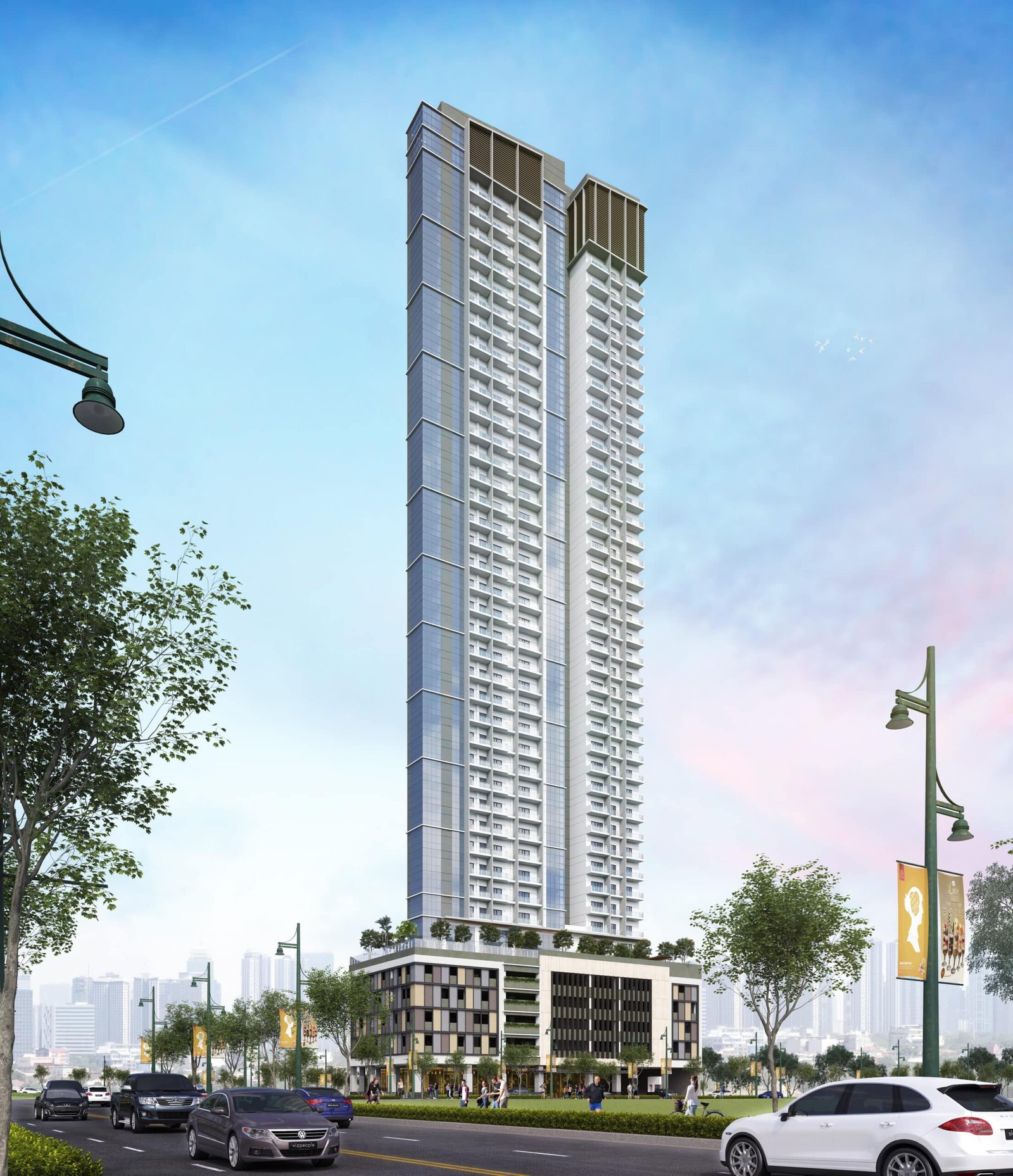
That planning shows up in small, daily ways a newcomer notices within the first week: private security patrols instead of relying solely on the Taguig police, a district-wide no-honking culture that's mostly followed, and retail that skews toward the international brands and grocery chains an expat is used to shopping at — Landmark, Rustan's, S&R — rather than exclusively local wet markets. None of this makes BGC a different country. It makes it the version of Manila most foreign professionals picture before they arrive, and the version most of the rest of the metro doesn't quite deliver.
The trade-off is price and personality. BGC can feel corporate and manufactured compared to the older, denser character of Makati's Poblacion or the historic texture of Manila proper. For a foreigner prioritizing an easy landing over local color, that trade generally favors BGC. For someone who wants Old Manila immediately, it won't.
Is BGC Safe for a Foreigner Living Alone or With Family?
Yes, by both local and international comparison — with specifics worth knowing rather than taking on faith. BGC runs a dense private security presence: guards at every residential tower and commercial building entrance, CCTV coverage across major streets, and coordinated patrols between building security and the Taguig police. Violent crime against foreigners in BGC specifically is rare enough that it isn't a standard topic in expat forums the way petty theft or scams are in some other Southeast Asian cities.
The realistic risk profile is petty and opportunistic, not violent: phone snatching if you're visibly distracted on a sidewalk at night, overpriced taxi fares for anyone who looks obviously new, and the ordinary scams that target tourists everywhere. Walking alone at night in the main retail corridors — Bonifacio High Street, Uptown Parade — is common practice for both residents and visitors. Side streets and the edges of the district after midnight deserve the same ordinary caution you'd apply in any major city.
BGC's safety reputation is earned in the specifics — dense private security, good lighting, and a walkable core — not just a marketing line.
For families, BGC's playgrounds, family-friendly malls, and stroller-width sidewalks are a meaningful upgrade over most of Metro Manila. International schools inside and near the district run their own transport and security protocols on top of the district's baseline, which matters more to most relocating parents than the general crime statistics do.
How Walkable Is BGC, and Do You Need a Car?
BGC is the most walkable central business district in the Philippines, and for a foreigner whose daily life fits inside the district — office, gym, groceries, dinner — a car is genuinely optional. The free BGC Bus connects the district's internal nodes and links out to an EDSA-Ayala terminal that hands off to Makati, MRT-3, and the wider EDSA corridor, and Grab ride-hailing fills the remaining gaps cheaply and reliably.
The honest complication is where your job actually is. If your office sits inside BGC — the Financial District, Uptown Bonifacio's own office cluster — you can plausibly go weeks without needing anything beyond your own feet, the bus, and the occasional Grab. If your job is in Makati proper, Ortigas, or further out, BGC's walkability becomes someone else's traffic problem the moment you leave the district, and the commute math changes substantially. Confirm where you'll actually be working before assuming BGC solves your commute — it solves your local commute exceptionally well and does nothing for a commute that starts by leaving the district.
Families with school-age children almost always end up with a car regardless of the district's walkability, simply because international school pickup and drop-off in Manila generally assumes one.
What Does It Cost to Live in BGC as a Foreigner?
BGC sits at the premium end of Metro Manila's cost spectrum, and a foreign professional should plan for that going in rather than being surprised by it after arrival. Using the district's published 2026 cost-of-living figures, a single professional in a studio budgets roughly ₱60,000–₱85,000/month all-in — rent, condo dues, utilities, food, and transport. A mid-career expat couple in a 1-bedroom realistically budgets ₱130,000–₱180,000/month, and an expat family in a 2-bedroom with a car and private schooling runs ₱185,000–₱260,000/month before international-tier school tuition, which adds its own substantial layer. None of these are optimistic scenarios — they assume a mid-range choice within each cost component, not the leanest possible setup.
| Household type | Unit | Realistic monthly budget (2026) |
|---|---|---|
| Single foreign professional | Studio | ₱60,000–₱85,000 |
| Expat couple | 1-bedroom | ₱130,000–₱180,000 |
| Expat family (2 kids, local-tier school) | 2-bedroom | ₱185,000–₱260,000 |
Figures are 2026 market estimates consistent with the ranges established in our dedicated cost of living in BGC budget guide, cross-referenced against Numbeo Taguig, Lamudi, and Hoppler listings.
Rent is the line item that moves the most between the three profiles, followed closely by whether a car enters the picture. A single professional who skips a car and cooks most nights can land at the low end of the studio range; an expat family that adds a driver, an international-tier school, and frequent dining out can push well past the top of the family range shown here. Treat the table as a realistic middle marker, not a ceiling.
These numbers are high relative to the rest of the Philippines and moderate relative to comparable Southeast and East Asian business districts — a foreign professional coming from Singapore or Hong Kong generally finds BGC noticeably cheaper for a comparable-quality address; someone coming from a secondary provincial Philippine city finds it a real jump. That framing — not a fixed benchmark number — is the useful one for budgeting a relocation.
Can a Foreigner Legally Rent or Buy a Condo in BGC?
Renting has essentially no restriction: any foreigner with a valid passport, whether on a tourist visa, work visa, or long-term resident visa, can lease a BGC condo directly from a landlord or through an agent, generally with a lease agreement, a security deposit of one to two months' rent, and one month advance. No local sponsor or co-signer is required in the vast majority of listings.
Buying is a different legal question with a clear, favorable answer most incoming foreigners don't expect: under the Condominium Act (Republic Act 4726), a foreigner can own a condominium unit outright, in their own name, with no requirement to marry or partner with a Filipino citizen. The constraint sits at the building level, not the individual buyer's level — total foreign ownership across all units in a given condominium project must stay at or below 40%, which developers track and disclose. Land ownership remains restricted to Filipino citizens, but a condo unit is legally distinct from land ownership under Philippine law, which is precisely why condominiums are the standard entry point for foreign buyers here.
A foreigner can own a BGC condo unit outright — no Filipino spouse required — as long as the building's total foreign ownership stays at or below 40%.
For most incoming professionals, renting the first year while confirming employer stability, school placement, and whether Manila is a multi-year commitment is the more common path; buying tends to follow once those variables settle. The full mechanics — eligibility, required documents, and the ownership process end to end — are covered in our guide to whether foreigners can buy a condo in the Philippines.
What Is the Expat Community and Social Life Like in BGC?
BGC has the largest and most visible foreign professional population of any Metro Manila district, drawn by the concentration of multinational headquarters, BPO leadership roles, and embassies clustered in and around the area. That density translates into a real social infrastructure: recurring expat meetups, international business chambers with regular events, sports leagues (particularly rugby, football, and running clubs) that skew heavily foreign-member, and a rotating calendar of networking events at BGC's coworking spaces and hotel function rooms.
Dating and friend-making follow the pattern of any large expat hub — apps and expat-specific Facebook groups do a lot of the initial matching, and BGC's walkable retail corridors (Bonifacio High Street, Uptown Parade) function as the default place those connections turn into actual plans. Long-term residents consistently describe the first three months as the hardest, socially, and the ones after that as noticeably easier once you've found even one or two recurring social anchors — a gym class, a running group, a regular Friday spot.
Filipino colleagues and neighbors are, by wide consensus among long-term foreign residents, warm and English-fluent enough that language is rarely the barrier newcomers expect it to be going in.
What Healthcare and International Schools Are Available in BGC?
Healthcare in and around BGC is genuinely strong by regional standards. St. Luke's Medical Center — Global City is inside BGC itself and is widely regarded as one of the best-equipped private hospitals in the Philippines, with English-speaking physicians trained internationally in many specialties. Most expat health insurance (HMO) plans cover it directly, and travel/expat insurance policies from home countries generally recognize it as an approved provider.
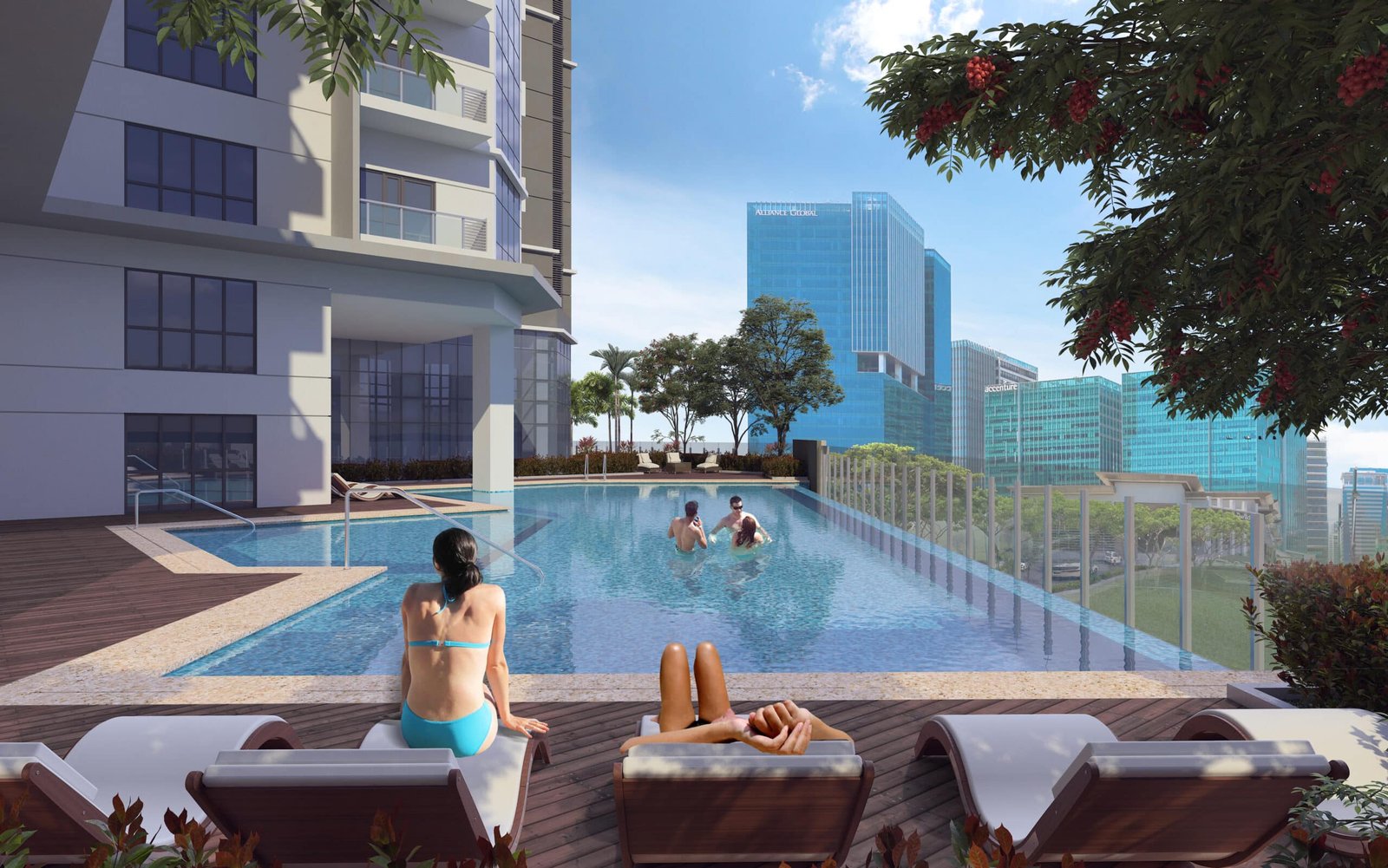
For families, BGC and the immediately surrounding area sit close to Metro Manila's strongest international school cluster — International School Manila, British School Manila, and Everest Academy Manila all serve BGC-based families, though most require a car for daily pickup regardless of how walkable the district itself is. International tuition runs substantially higher than local private schooling and should be confirmed directly with each school, since fees vary by year level and change annually.
For a household weighing the full family picture — schools, safety, and unit sizing — BGC for families goes deeper on that specific decision. If your employer hasn't confirmed a housing allowance yet, it's worth reaching out to us early — we can walk through realistic unit sizes for your household before you're negotiating blind.
What Are the Common Frustrations Foreigners Have Living in BGC?
The honest list, gathered from what long-term foreign residents actually raise, rather than a polished marketing version: rent and everyday costs run noticeably higher than almost anywhere else in the Philippines, which surprises people who arrive expecting Southeast Asian prices generally. Traffic getting into or out of BGC during rush hour can erase the district's internal walkability advantage the moment your day requires leaving it. Severe monsoon-season flooding has, in past years, stranded parts of the wider metro including access roads into BGC, even though the district's own internal drainage is better engineered than most of Manila's.
A smaller but real frustration: BGC can feel repetitive after a year or two — the same malls, the same restaurant groups repeated across several towers, a sense that the district was built fast and uniformly rather than organically. Residents who want more local texture generally supplement BGC living with regular trips into older Manila neighborhoods rather than relocating away from BGC entirely.
The frustrations foreigners actually mention are cost, commute-out-of-district traffic, and a sense of sameness — not safety, and not the basics of daily infrastructure.
Is BGC Better for Foreigners Than Makati or the Manila Bay Area?
It depends on what you're optimizing for, and the honest comparison has real trade-offs in both directions rather than a clean winner.
| Priority | Best fit | Why |
|---|---|---|
| Walkability and planned infrastructure | BGC | Purpose-built master planning; widest sidewalks and most consistent green space in the metro |
| Proximity to the older, established CBD network | Makati | Deeper business history, direct MRT-3 access, shorter hop to the EDSA-Ayala corridor |
| Lower entry price for buyers | Manila Bay area | Newer reclamation-driven inventory generally prices lower per sqm than BGC's established towers |
| Largest expat social infrastructure | BGC | Highest concentration of multinational offices, embassies, and expat-oriented clubs and events |
Makati holds its own for a foreigner whose work or social life already orbits the older CBD, and it typically offers slightly lower rents on older building stock with comparable office access — the full side-by-side is in our Makati vs BGC comparison. The Manila Bay area suits a foreigner prioritizing a lower buy-in price and comfortable with a newer, less internationally established community; it does not yet match BGC's density of foreign residents or its walkability. For most incoming foreign professionals without a job that anchors them elsewhere, BGC remains the default first choice — not because it's cheapest, but because it removes the most friction in the first year of a relocation. A foreigner deciding between a studio near Uptown Mall and a family-sized unit further south should also weigh the specific towers on offer — our roundup of BGC condos near offices, schools, and the coming subway line breaks that choice down building by building, and if you're already leaning toward ownership rather than a lease, renting vs buying in BGC runs the break-even math specifically for a multi-year foreign resident.
BGC is a genuinely good place for a foreigner to live in Manila — not because it's flawless, but because it removes more of the friction that makes an international relocation hard than almost anywhere else in the Philippines does. The trade is price. You pay a real premium for the walkability, the planning, the safety, and the international infrastructure, and that premium is worth naming honestly rather than glossing over.
BGC doesn't remove every hard part of relocating to Manila — it removes the most avoidable ones, which is exactly what a first-year expat needs most.
For someone who's confirmed Manila is where they're building a multi-year life rather than a short posting, that same premium starts to look different: not a cost of convenience, but the entry price into a district with strong rental demand and a legal path to outright foreign ownership. Tell us your situation — timeline, budget, family size — and we'll walk you through current BGC inventory and how the ownership path actually works for your case.
About the Author
MSC Editorial is the in-house editorial team behind this guide — the house editorial brand for Manila Skyline Condos. The team researches Philippine condo buying, financing, and neighborhoods using primary legal and developer sources, tracking Metro Manila neighborhood data and live condo inventory, with a focus on Bonifacio Global City and the foreign-buyer experience.
A Quick, Honest Disclaimer
This guide is general information, not immigration, legal, financial, or relocation advice. Visa, healthcare, and school requirements change and should be confirmed directly with the relevant embassy, insurer, or institution. Cost figures are 2026 market estimates and vary by building, lifestyle, and household size. Before deciding, confirm current details with a licensed Philippine real estate broker and your own immigration counsel.
Frequently Asked Questions
Is BGC a good place for a foreigner to live in Manila?
For most foreign professionals working in Manila, yes. BGC is the most walkable, planned, and internationally infrastructured district in the metro, with a large existing expat community and strong private security. The trade-off is cost — BGC sits at the premium end of Metro Manila pricing.
Is BGC safe for foreigners, including at night?
Yes, by both local and international comparison. BGC runs dense private security, CCTV coverage, and coordinated patrols with the Taguig police. Realistic risk is petty and opportunistic — phone snatching, overpriced taxis for newcomers — rather than violent crime. Walking the main retail corridors at night is common practice for residents.
Do I need a car to live in BGC?
Not if your daily life — office, gym, groceries, social life — fits inside the district; the free BGC Bus and Grab cover the rest. If your job sits in Makati, Ortigas, or further out, BGC's internal walkability doesn't solve that commute, and a car or regular ride-hail budget becomes necessary. Families with school-age children usually need a car regardless.
How much does it cost for a foreigner to live in BGC?
A single foreign professional in a studio budgets roughly ₱60,000–₱85,000/month all-in as a 2026 estimate. A couple in a 1-bedroom budgets ₱130,000–₱180,000/month, and a family in a 2-bedroom ₱185,000–₱260,000/month before international school tuition, which adds substantially on top.
Can a foreigner buy a condo in BGC without a Filipino spouse?
Yes. Under the Condominium Act (RA 4726), a foreigner can own a condo unit outright in their own name, with no requirement to marry or partner with a Filipino citizen. The only constraint is at the building level — total foreign ownership across all units must stay at or below 40%.
Should a foreigner rent or buy first in BGC?
Most incoming professionals rent for the first year while confirming employer stability, school placement, and whether Manila is a multi-year commitment, then move toward buying once those variables settle. Renting requires no local sponsor and is faster to arrange than a purchase.
Is there a large expat community in BGC?
Yes — BGC has the largest and most visible foreign professional population of any Metro Manila district, supported by multinational offices, embassies, sports leagues, and regular networking events. Most long-term residents describe the first three months as the hardest socially and the period after as noticeably easier.
What hospital and international schools serve BGC?
St. Luke's Medical Center — Global City sits inside BGC and is widely regarded as one of the best-equipped private hospitals in the Philippines. International School Manila, British School Manila, and Everest Academy Manila all serve BGC-based families, though most require a car for daily pickup and drop-off.
What do foreigners complain about most in BGC?
Cost is the most consistent complaint — rent and everyday spending run noticeably higher than most of the Philippines. Traffic leaving the district during rush hour and occasional severe monsoon-season flooding on access roads are the other two recurring frustrations. Safety and basic infrastructure are rarely on the complaint list.
Is BGC better than Makati for a foreigner?
It depends on priorities. BGC generally wins on walkability, planning, and expat social infrastructure. Makati wins on proximity to the older, established CBD network and MRT-3 access, and typically offers slightly lower rents on older building stock. Neither is a universal winner — the right fit depends on where your job and social life actually anchor.
Sources
Facts in this guide were cross-referenced against the sources below and the live cost-of-living and BGC pillar figures already published on this site.
- Condominium Act (RA 4726) — foreign ownership rules, 40% cap — LawPhil: https://lawphil.net/statutes/repacts/ra1966/ra_4726_1966.html
- Bonifacio Global City — history, districts, master planning — Bonifacio Global City (Wikipedia): https://en.wikipedia.org/wiki/Bonifacio_Global_City
- BGC cost-of-living component figures (rent, dues, utilities, food, transport) — Numbeo (Taguig City, 2026): https://www.numbeo.com/cost-of-living/in/Taguig-City ; cross-referenced with the site's own cost of living in BGC guide (manilaskylinecondos.com/post/cost-of-living-bgc).
- BGC Bus routes and the EDSA-Ayala terminal — BGC Bus (Wikipedia): https://en.wikipedia.org/wiki/BGC_Bus
- St. Luke's Medical Center — Global City — St. Luke's Medical Center: https://www.stlukes.com.ph
- Property locations (verified live, 2026): Uptown Modern — Uptown Bonifacio, BGC, Taguig: https://manilaskylinecondos.com/properties/uptown-modern ; Uptown Arts Residence — 9th Avenue, Uptown Bonifacio, BGC, Taguig: https://manilaskylinecondos.com/properties/uptown-arts-residence ; Park McKinley West — McKinley West, Taguig: https://manilaskylinecondos.com/properties/park-mckinley-west
Verification note: Cost figures reused in this guide match the ranges already published and sourced in the site's dedicated cost-of-living-in-BGC guide (manilaskylinecondos.com/post/cost-of-living-bgc) — no new peso figure is introduced here that conflicts with that guide. Foreign ownership rules are confirmed against RA 4726 directly. No specific building price is stated in this piece; buyers should confirm current figures via the site's contact page (manilaskylinecondos.com/contact).
