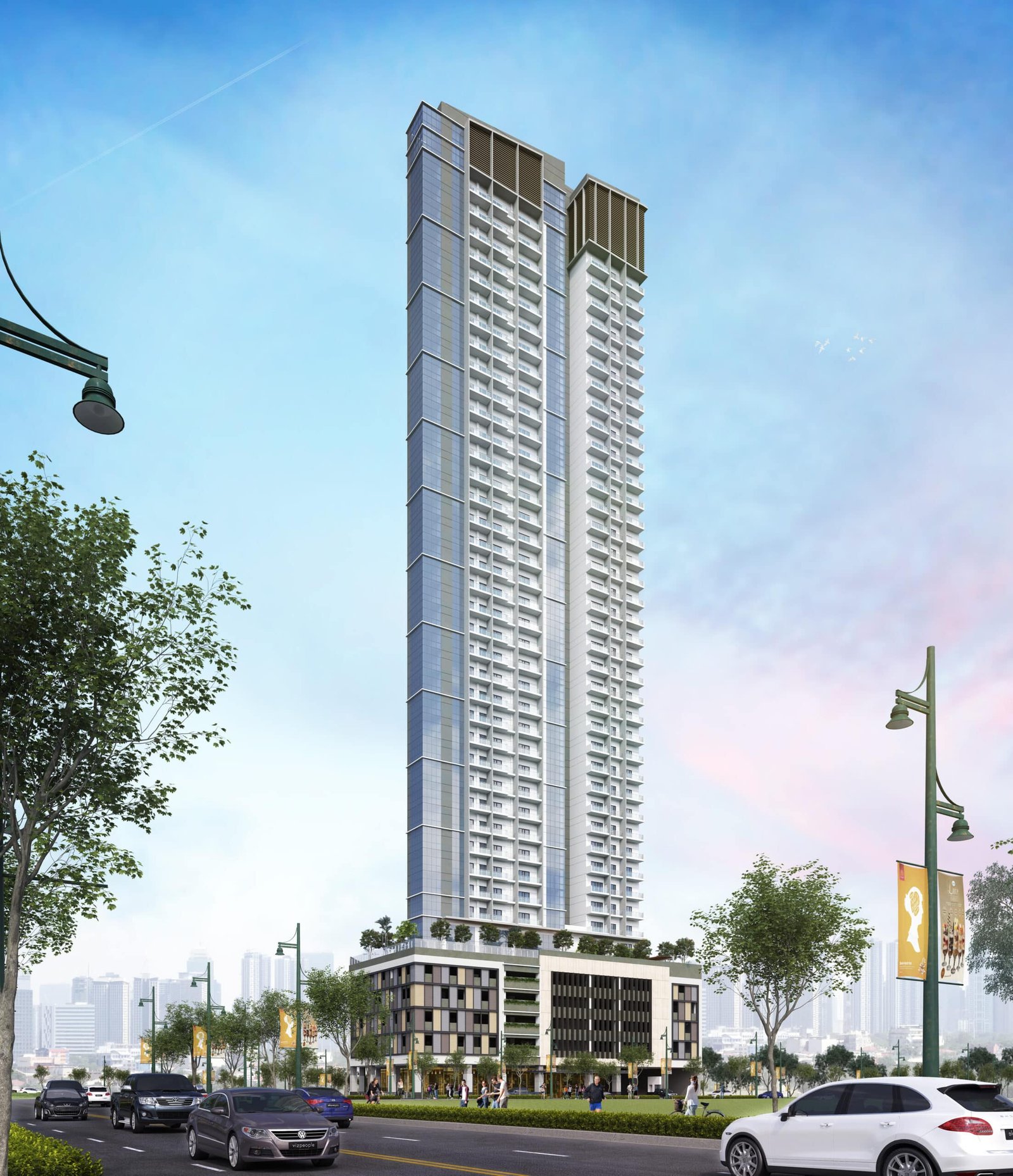
Buying a Condo in the Philippines From Abroad: The Complete Step-by-Step Process
Buying a Condo in the Philippines From Abroad: The Complete Step-by-Step Process
By MSC Editorial — the in-house editorial team of Manila Skyline Condos, tracking Philippine foreign ownership law, developer pre-selling terms, and Metro Manila condo inventory across the Philippines.
Yes, a foreign national can buy a Philippine condominium unit entirely from overseas, without a single trip to Manila. The mechanism is a notarized and properly authenticated Special Power of Attorney (SPA) that lets a trusted person in the Philippines sign documents on your behalf, paired with international wire transfers for every payment. Thousands of units change hands this way each year, most to buyers who never leave their home country during the transaction.
This guide walks through the process in the order a foreign buyer actually experiences it: the documents you need before you start, how an SPA legally stands in for your signature, how that document gets authenticated so a Philippine Register of Deeds will accept it, how payments move without a local bank account, who signs what when you're not in the room, and where remote buyers most often lose time. If you're specifically an OFW, the mechanics overlap but the angle differs — remittance timing, SPA use for a relative back home, and Pag-IBIG eligibility change the calculation, and that case is covered separately in buying a Manila condo from abroad as an OFW. This guide is written for the broader case: any non-Filipino purchasing a unit while based outside the Philippines, married or not, OFW or not.
Key Takeaways
- You do not need to be physically present in the Philippines to buy a condo — a properly executed Special Power of Attorney lets a trusted signer act for you at every stage of the transaction.
- The SPA must be authenticated, not just notarized — either apostilled, if your country is a member of the Hague Apostille Convention, or authenticated by the Philippine Embassy or Consulate if it isn't.
- Reservation and down payments move by international wire or a remittance service directly to the developer's account — no Philippine bank account is required to start.
- You still need a Philippine Tax Identification Number before final title transfer, which your attorney-in-fact or an accredited specialist can typically secure on your behalf.
- The remote process runs on the same legal framework as the 40% foreign-ownership cap and the standard closing-cost math — buying from abroad changes who signs, not the underlying rules.
- Most delays are documentation delays, not legal obstacles — a rejected SPA, a missing apostille, or a passport-name mismatch costs more time than any other part of the purchase.
Quick orientation: This guide assumes you already know foreigners can legally own a Philippine condo — if you need that foundation first, start with the complete foreigner's buying guide. For how the 40% ownership cap works, see the 40% rule explained. For financing specifics, see financing a condo as a foreigner.
Can You Legally Buy a Philippine Condo Without Ever Setting Foot in the Country?
Yes. Nothing in the Condominium Act (RA 4726) or the standard developer purchase process requires the buyer's physical presence in the Philippines. What it requires is a valid signature on each document at each stage — the reservation agreement, the contract to sell, the deed of absolute sale, and the paperwork that accompanies title transfer. Philippine law lets you delegate that signing authority to someone else through a Special Power of Attorney, a written document naming a specific person (your "attorney-in-fact") and specifying exactly what they're authorized to do on your behalf.
This isn't a workaround or a gray area. Remote, SPA-based purchases are routine enough that most developer sales offices in BGC, Makati, and Northwin Global City have a standard checklist for exactly this scenario, because a large share of their foreign and OFW buyers are based overseas at the time of purchase. The building doesn't know or care whether you signed in Taguig or in Toronto — the Register of Deeds only cares that the signature on file is legally valid and properly authenticated.
It's worth pausing on how this differs from the OFW version of the same transaction, since the two get conflated constantly. The legal mechanics — SPA, remote payment, document authentication — are identical whether you're a foreign national in London or a Filipino OFW in Dubai. What differs is the starting point. An OFW is a Filipino citizen, so the 40% foreign-ownership cap never applies to them, they're often eligible for Pag-IBIG's OFW housing loan program, and their attorney-in-fact is frequently a parent, sibling, or spouse already living in the property they're buying. A foreign national buying from abroad is subject to the 40% cap, is very unlikely to qualify for a Philippine bank mortgage as a non-resident, and typically appoints either a Philippine-based relative, a spouse, or the accredited specialist handling the sale as attorney-in-fact. Both buyer types end up executing the same category of document. The eligibility rules, the financing options, and who's a natural choice for attorney-in-fact are what separate the two paths — worth knowing up front so you're not applying OFW-specific advice to a foreign-national purchase, or the reverse. If your situation is specifically the OFW case, the dedicated OFW buying-from-abroad guide picks up from here with remittance and Pag-IBIG specifics this guide doesn't cover.
What Documents Do You Need Before You Start the Process?
Assemble these before you contact a developer, so the SPA drafting and authentication — the slowest part of the whole process — can start immediately rather than after you've already reserved a unit.
| Document | Purpose | Where you get it |
|---|---|---|
| Valid passport (with copies) | Primary identity document for the SPA, reservation forms, and title | Your home country's passport authority |
| Proof of address abroad | Supports the SPA and buyer KYC forms | Utility bill, bank statement, or lease |
| Philippine Tax Identification Number (TIN) | Required before final title transfer and for BIR tax filings | BIR Executive Order 98 application; often filed by your attorney-in-fact or specialist |
| Special Power of Attorney | Authorizes your attorney-in-fact to sign on your behalf | Drafted by a lawyer, then notarized and authenticated (see below) |
| Bank or remittance account details | For wiring reservation fees and monthly payments | Your home bank, or a service like Wise |
A TIN is easy to overlook because it isn't needed at reservation, only at title transfer — which is exactly why buyers who leave it until the end sometimes stall their own closing. Starting the TIN application in parallel with the SPA, rather than after signing the contract to sell, keeps the two slowest paperwork items moving at the same time instead of back to back.
How Does a Special Power of Attorney Let You Buy Remotely?
The SPA is the document that makes the entire remote process work, so it's worth understanding precisely what it does and doesn't do.
Definition — Special Power of Attorney (SPA): A written, notarized document in which you (the "principal") name a specific person (the "attorney-in-fact") and authorize them to perform specific, listed acts on your behalf — for example, signing a reservation agreement, a contract to sell, a deed of absolute sale, or receiving keys at turnover. A Philippine SPA is special, not general: it only covers the acts it explicitly lists, so a well-drafted SPA for a condo purchase names the transaction and the specific documents your attorney-in-fact may sign.
Your attorney-in-fact can be almost anyone you trust — a spouse, a parent, a sibling, a close friend already based in the Philippines, or, in many cases, the accredited specialist or agency handling your purchase, acting in a narrowly defined capacity limited to the transaction paperwork. What matters legally isn't who they are, but that the SPA names them precisely, matches their ID exactly, and lists the specific powers granted. A vague SPA — "to do all things necessary regarding my property affairs" — invites rejection at the Register of Deeds. A precise one, naming the building, the unit, and the document categories, moves through without friction.
How Do You Get Your SPA Notarized and Authenticated From Overseas?
This is the step that trips up more remote buyers than any other, because notarization alone is not enough — the document also has to be authenticated for use in the Philippines, and the correct method depends on where you sign it.
If you're in a country that is a member of the Hague Apostille Convention (most of North America, the EU, the UK, Australia, and a large majority of countries worldwide since the Philippines itself joined the Convention in 2019): sign the SPA before a local notary public, then take the notarized document to your country's designated apostille authority — often the Secretary of State's office in the US, the Foreign, Commonwealth & Development Office in the UK, or an equivalent national authority — to receive an apostille certificate. An apostilled SPA is accepted directly by the Philippine Register of Deeds with no further Philippine Embassy involvement.
If you're in a country that is not a Hague Apostille Convention member: sign the SPA before a local notary, then bring it to the nearest Philippine Embassy or Consulate for authentication — the older process sometimes still called "red-ribbon" authentication. This route takes longer and often requires an in-person appointment at the embassy, so budget extra time if this applies to you.
Apostille or embassy authentication is not paperwork theater — it's the step that tells the Philippine Register of Deeds your signature is real, without you being in the room to prove it.
Either route typically takes two to six weeks depending on your country's processing times, so this is the single item worth starting the moment you've decided on a building — well before you've finished comparing floor plans.

How Do You Reserve and Pay for a Unit Without a Local Bank Account?
Reservation and monthly payments move by international wire transfer or a remittance service directly to the developer's official collection account — no Philippine bank account, and no local ATM card, required at any point in a standard pre-selling purchase.
The practical sequence: your accredited specialist or your attorney-in-fact confirms the developer's official payment channel and reference number for your specific unit, you initiate a wire from your home bank (or a lower-fee service such as Wise for smaller recurring payments), and the developer's collections team matches the incoming funds to your reservation using the reference number. Because pre-selling payment terms are typically spread over the construction period, most remote buyers set up a recurring monthly transfer rather than manually sending each payment — cutting the chance of a missed or late payment down to almost nothing.
Two practical notes worth planning around: bank wires often carry a flat fee regardless of amount, so consolidating into fewer, larger transfers where your payment schedule allows can meaningfully reduce the fees paid over a multi-year construction period; and exchange-rate movement between your home currency and the peso means the effective cost of a fixed peso-denominated monthly payment will drift slightly month to month, which is worth budgeting a small buffer for rather than being surprised by.
How Is the Title Transferred to You When You Never Visited?
Someone still has to physically sign the deed of absolute sale, and that's your attorney-in-fact, using the authority granted in the SPA. The developer's legal team checks the SPA's authentication and the specific powers listed before accepting that signature as valid. This is the same document a buyer who's physically present would sign themselves — the SPA simply substitutes a verified proxy signature for your own. One detail worth confirming before this stage: some developers require the SPA to specifically name the deed of absolute sale, not just the reservation agreement or contract to sell, among the authorized acts. If your SPA was drafted narrowly around reservation only, you may need a second, updated SPA before closing — another reason to have a lawyer draft the original SPA broadly enough to cover the full transaction, rather than piecemeal.
Title transfer itself follows the same legal steps for a remote buyer as for a local one — the deed of absolute sale gets notarized, the applicable taxes (Documentary Stamp Tax, transfer tax, and related fees) are filed with the Bureau of Internal Revenue, and the Condominium Certificate of Title is issued in your name and registered with the Registry of Deeds. Your attorney-in-fact, or the accredited specialist managing the transaction, handles the physical filing and follow-up with these government offices; you receive scanned or couriered copies of your CCT once registration completes.
Budget the same 3%–5.5% of purchase price for closing costs and taxes that applies to any buyer, detailed in the table below. None of these costs change because you bought remotely — they're calculated on the unit price and the applicable rates, not on where the buyer happened to be sitting when they signed.
| Cost item | Typical rate | Notes for remote buyers |
|---|---|---|
| Documentary Stamp Tax | ~1.5% of price or zonal value | Filed by your attorney-in-fact with the BIR |
| Transfer tax (local) | ~0.5%–0.75% | Paid at the local government treasurer's office |
| Registration fees | ~0.3%–0.6% | Paid to the Registry of Deeds on title registration |
| Notarial fees | A few hundred pesos up to ~1% | Covers deed notarization in the Philippines |
| SPA notarization + authentication | Varies by country | Additional cost unique to remote buyers, not local ones |
What Could Go Wrong Buying Remotely, and How Do You Avoid It?
Four mistakes account for most of the real delays remote buyers experience, and none of them are about the legal framework — they're about paperwork precision.
A name mismatch between your passport and your SPA. If your passport reads with a middle name, suffix, or different spelling than the SPA, expect a rejection at the Register of Deeds. Have your lawyer copy your passport's exact spelling into the SPA, character for character.
An SPA that's too narrow. An SPA drafted only for the reservation stage won't cover the deed of sale later. Draft it broadly enough up front to authorize the full transaction — reservation, contract to sell, deed of sale, and receiving the CCT — so you don't need a second round of notarization and authentication mid-purchase.
Skipping the TIN until the end. A TIN application that starts only after the contract to sell is signed can hold up title transfer by weeks. Start it in parallel with the SPA.
Wiring funds without the correct reference number. Developer collections teams match incoming wires to buyer accounts by reference code. A wire sent without it, or with a typo in it, can sit unmatched for days while your payment is technically "missing" on the developer's ledger even though it left your account on time.
The legal path is straightforward. Almost every real delay in a remote purchase traces back to a document detail, not a legal obstacle.
What Does the Full Timeline Look Like, From First Inquiry to Holding Your Title?
A realistic remote-buyer timeline, assuming a pre-selling unit and no unusual complications: SPA drafting and signing typically takes one to two weeks once you've chosen a lawyer; apostille or embassy authentication adds two to six weeks depending on your country; reservation and contract-to-sell signing, once the SPA is in hand, can happen within days; TIN processing, run in parallel, usually resolves within a similar window; and then you're simply on the developer's payment schedule for the remainder of the construction period, commonly two to four years for a pre-selling tower, with title transfer following turnover.
The paperwork phase — SPA plus authentication plus TIN — is realistically four to eight weeks from a standing start. Everything after that runs on the same schedule as a locally-present buyer's purchase, because from the reservation agreement onward, the transaction is identical; only the signing method differs.
Two timing choices are worth making deliberately rather than by default. First, start the SPA before you've finalized your unit choice, not after — a generically-worded SPA covering "a residential condominium unit in Metro Manila or Bulacan" can still be tightened with an addendum once you've picked the specific building, and that's faster than starting the authentication clock from zero after reservation. Second, if your country's apostille turnaround runs long, ask your attorney-in-fact or specialist whether the developer will hold your reservation on a smaller good-faith deposit while the SPA finishes processing — many will, since the reservation fee itself doesn't require full SPA authority in every developer's internal process, only the contract to sell does.
From reservation onward, a remote purchase and a local one are the same transaction. Only the signing method differs.
The Distance Is a Logistics Problem, Not a Legal One
Strip away the acronyms — SPA, TIN, apostille — and what's left is a familiar truth: buying a Philippine condo from abroad is entirely legal, entirely routine, and mostly a matter of getting a handful of documents right in the correct order. Nothing about the 40% ownership cap, the closing-cost math, or your title changes because you signed from another country. The only real variable is how carefully the paperwork phase is managed before your first peso ever moves.
Tell us which building you're considering and where you're based, and we'll walk you through the SPA requirements for your specific country, the current payment terms for that tower, and what a realistic timeline looks like for your situation — before you commit to anything. For the fuller foreign-ownership picture before you go further, revisit the foreigner's buying guide, and if you'll be titling the unit alongside land owned by a Filipino spouse, see the required document and title checklist for foreign buyers.
About the Author
MSC Editorial is the in-house editorial team behind this guide — the house editorial brand for Manila Skyline Condos. The team researches Philippine condo buying, financing, and neighborhoods using primary legal and developer sources, tracking foreign-ownership statutes, SPA and apostille procedure, developer pre-selling structures, and live Metro Manila inventory across the Philippines.
A Quick, Honest Disclaimer
This guide is general information, not legal, tax, or financial advice. SPA drafting, apostille and consular authentication procedures, and TIN requirements vary by country and can change. Before signing or wiring funds, confirm the specifics with a licensed Philippine lawyer, your home country's notary or apostille authority, and/or a tax professional. Contact us for current developer terms and a specialist referral.
Frequently Asked Questions
Can I buy a Philippine condo without ever visiting the country?
Yes. A properly executed and authenticated Special Power of Attorney lets a trusted attorney-in-fact sign every document — reservation, contract to sell, and deed of absolute sale — on your behalf. Thousands of remote purchases close this way every year.
What is a Special Power of Attorney and who can be my attorney-in-fact?
An SPA is a notarized document naming a specific person and listing the specific acts they're authorized to perform on your behalf, such as signing a deed of sale. Your attorney-in-fact can be a spouse, relative, close friend based in the Philippines, or an accredited specialist handling your purchase.
Do I need to apostille my SPA, or go through the Philippine Embassy?
It depends on your country. If your country is a member of the Hague Apostille Convention, an apostille from your national authority is sufficient and is accepted directly by the Philippine Register of Deeds. If it isn't a member, you'll need authentication through the nearest Philippine Embassy or Consulate instead.
How do I pay for a condo without a Philippine bank account?
Reservation fees and monthly payments move by international wire transfer or a remittance service like Wise, sent directly to the developer's official collection account using your assigned reference number. No local bank account is required for a standard purchase.
When do I need a Philippine Tax Identification Number?
Before final title transfer. It isn't required to reserve a unit, but starting the application early, in parallel with your SPA, prevents it from becoming the item that holds up closing at the end of the process.
How is buying as a foreigner different from buying as an OFW?
The SPA and remote-payment mechanics are the same. What differs is eligibility: an OFW is a Filipino citizen, so the 40% foreign-ownership cap doesn't apply and Pag-IBIG OFW financing is often available, while a foreign national is subject to the cap and typically buys through developer in-house pre-selling terms instead of a bank loan.
How long does the whole remote buying process take?
The paperwork phase — SPA drafting, notarization, authentication, and TIN processing — typically takes four to eight weeks. From reservation onward, the timeline matches any other buyer's: commonly a two-to-four-year pre-selling construction period, with title transfer following turnover.
What's the most common mistake remote buyers make?
A name mismatch between the passport and the SPA, or an SPA drafted too narrowly to cover the full transaction. Both cause rejections or delays that a careful lawyer drafting the SPA up front would have avoided.
Who signs the deed of absolute sale if I'm overseas at closing?
Your attorney-in-fact signs, using the authority granted in your SPA. The developer's legal team verifies the SPA's authentication and listed powers before accepting the signature as valid for the deed.
Do closing costs cost more for a remote buyer?
The standard closing costs — roughly 3% to 5.5% of the purchase price, covering Documentary Stamp Tax, transfer tax, registration, and notarial fees — are the same regardless of where you signed. The one added cost unique to remote buyers is the SPA's own notarization and apostille or embassy authentication fee, which varies by country.
Sources
Facts in this guide were verified against the following sources:
- Republic Act No. 4726 (Condominium Act), full text, Section 5 — LawPhil Project: https://lawphil.net/statutes/repacts/ra1966/ra_4726_1966.html
- Philippines' accession to the Hague Apostille Convention (effective May 14, 2019) — Hague Conference on Private International Law (HCCH): https://www.hcch.net/en/instruments/conventions/status-table/?cid=41
- Special Power of Attorney requirements for overseas Filipinos and foreign buyers; Philippine Embassy/Consulate authentication for non-apostille countries — Philippine Department of Foreign Affairs, consular services guidance: https://dfa.gov.ph/consular
- Bureau of Internal Revenue, Tax Identification Number application (Executive Order No. 98) — BIR official site: https://www.bir.gov.ph
- Buyer closing costs and taxes (DST ~1.5%, transfer tax ~0.5–0.75%, registration ~0.3–0.6%, total ~3–5.5%) — Respicio & Co. condominium title transfer commentary: https://www.respicio.ph/commentaries/condominium-title-transfer-in-the-philippines-closing-fees-and-taxes-that-buyers-must-pay
- Bank mortgage limits for non-resident foreigners; developer in-house pre-selling financing norms — Global Property Guide: https://www.globalpropertyguide.com/asia/philippines/buying-guide
Note on verification: RA 4726 and the SPA/attorney-in-fact mechanism are confirmed against primary statute text and DFA consular guidance. The Philippines' 2019 accession to the Hague Apostille Convention is confirmed against the HCCH status table. Timelines for SPA authentication and TIN processing are directional estimates that vary by country and current processing volumes — confirm current wait times with your notary, apostille authority, or the relevant Philippine Embassy/Consulate before planning around a specific date.
