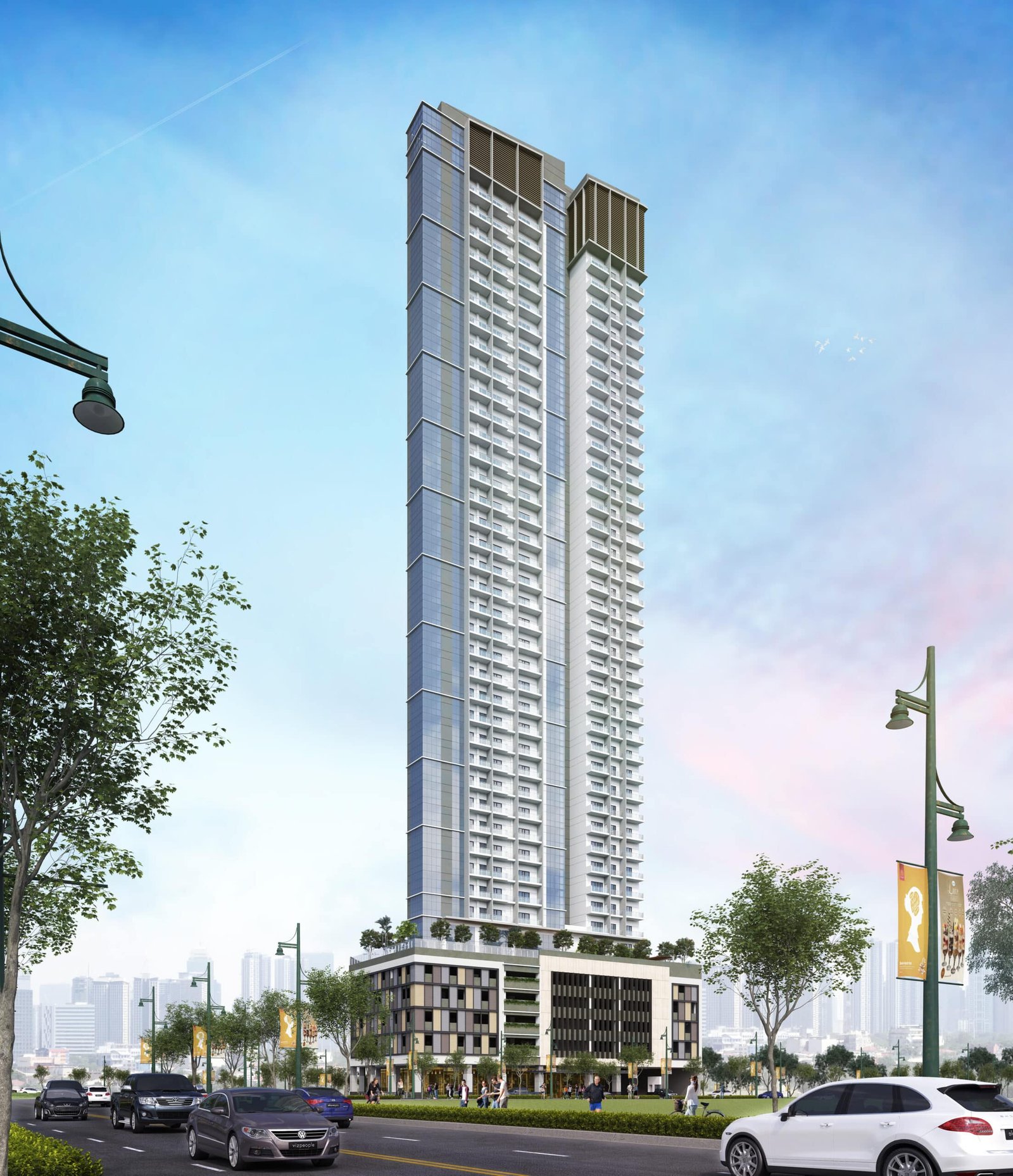
Condo vs House-and-Lot for Foreigners: What Philippine Property Law Actually Allows You to Own
Condo vs House-and-Lot for Foreigners: What Philippine Property Law Actually Allows You to Own
By MSC Editorial — the in-house editorial team of Manila Skyline Condos, tracking Philippine foreign ownership law, developer pre-selling terms, and Metro Manila condo inventory across the Philippines.
A foreigner can own a Philippine condominium unit outright, in their own name, with their own title. A foreigner cannot own the land under a house-and-lot — not a fraction of it, not through a workaround that sounds clever, not because a broker says it's fine. That's the whole answer in two sentences, and almost every confused question about "foreigners buying property in the Philippines" is really a question about which of these two categories a specific listing falls into.
The confusion is understandable because both are marketed as "real estate" and both show up on the same property portals. But a condo unit and a house-and-lot sit on opposite sides of a constitutional line, and that line determines financing, title type, resale mechanics, and what actually happens if the buyer later marries a Filipino citizen or wants to leave the property to their children. This guide walks through the legal reality, the workarounds people attempt for house-and-lot, why most of those workarounds carry real risk, and why the condo route remains the straightforward option for the overwhelming majority of foreign buyers.
Key Takeaways
- Foreigners can own a condo unit outright under the Condominium Act (RA 4726) — full title, in their own name, no Filipino co-owner required.
- Foreigners cannot own land under any circumstance as an individual — the 1987 Constitution, Article XII, Section 7, reserves private land to Filipino citizens and Filipino-majority entities.
- A house-and-lot is two assets bundled together — the structure and the land — and the land half is the part a foreigner legally cannot hold title to.
- The common workarounds — long-term land lease, a Filipino spouse's name, or a 60/40 Filipino-majority corporation — each solve the legal problem but add complexity, dependency, or risk a foreigner should understand before committing.
- Marrying a Filipino citizen does not change what a foreigner can buy — the foreign spouse still cannot be a co-owner of land purchased during the marriage, though inheritance works differently.
- Condo ownership avoids all of this by design — the Condominium Act was written specifically to let a foreign national hold real property without touching the land-ownership restriction.
Quick orientation: This guide compares condo ownership to house-and-lot ownership mechanics for foreign buyers. For the full legal foundation on what foreigners can and cannot own, start with the complete foreigner's buying guide. For the per-building foreign-ownership cap that applies specifically to condos, see the 40% rule explained.
Can a Foreigner Legally Own a House-and-Lot in the Philippines?
Not outright, and not as an individual, under any structure. A house-and-lot listing is really two separate assets sold as one package: the physical structure (the house) and the land it sits on (the lot). Philippine law treats them very differently. The 1987 Constitution, Article XII, Section 7, states plainly that private land in the Philippines may only be owned by Filipino citizens, or by corporations and associations that are at least 60% Filipino-owned. A foreign national — regardless of visa status, residency length, or how long they've lived in the country — does not qualify under either category as an individual.
This means the house structure itself could, in theory, be owned separately from the land — Philippine law does recognize separate ownership of improvements from the land beneath them in specific cases — but that arrangement is unusual, legally awkward for financing and resale, and not how house-and-lot developments are typically sold or titled. In practice, when a foreigner is told they can "buy" a house-and-lot, what's actually happening is one of the workaround structures covered further down this guide — never a direct, outright purchase of the land in the foreigner's own name.
Why Can Foreigners Own a Condo Unit but Not the Land Under a House?
The distinction exists because a condominium unit is legally structured to be separable from land ownership, and a house-and-lot is not. Republic Act No. 4726, the Condominium Act of 1966, created a specific legal vehicle: the condominium corporation, which holds title to the land and common areas on behalf of all unit owners collectively, while each individual unit owner holds a Condominium Certificate of Title (CCT) to their specific unit and a proportional, undivided interest in the condominium corporation itself — not a direct land title.
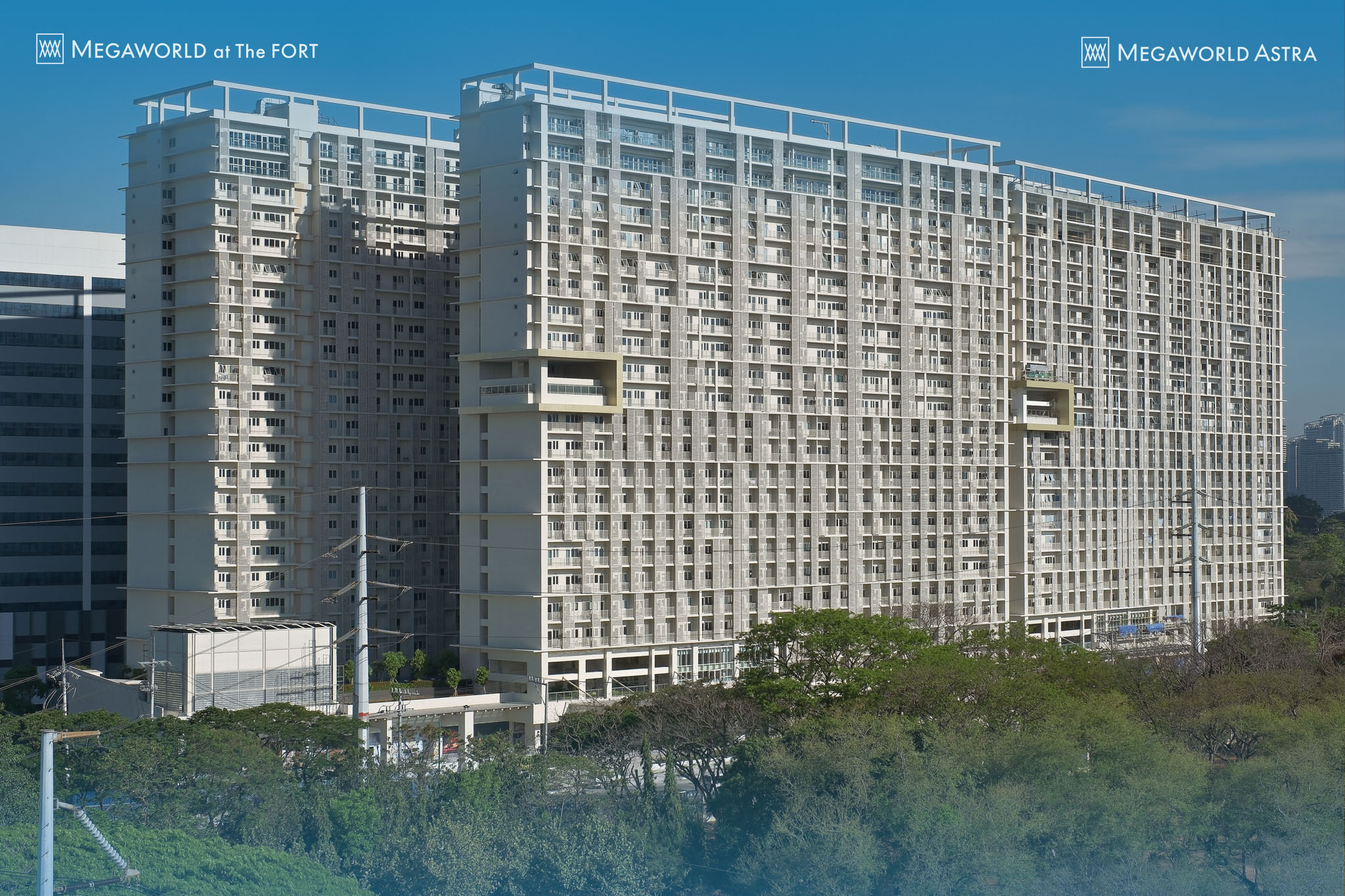
Because the foreign unit owner never personally holds land title — the condominium corporation does, and that corporation must stay at least 60% Filipino-owned per the same constitutional rule — the arrangement satisfies the land-ownership restriction while still giving the foreign buyer full, transferable, inheritable ownership of the unit itself. A house-and-lot has no equivalent structure. There is no corporation standing between the buyer and the land; the buyer would need to hold the land title directly, which the Constitution does not permit for a foreign individual.
The condo is not a loophole. It's a purpose-built legal structure — the land restriction stays intact, and the foreign buyer still gets a real, transferable title.
What Are the Legal Workarounds for Foreigners Who Want a House-and-Lot?
Three structures are commonly used, and each comes with real tradeoffs a foreign buyer should weigh honestly rather than assume away.
Long-term land lease. A foreigner cannot own the land, but can lease it for an extended term — commonly structured under investment-lease arrangements that allow durations well beyond an ordinary residential lease, with the house built or purchased on the leased lot. The foreigner owns the structure; the landowner (a Filipino individual or entity) retains the land title and collects lease payments. This is covered in more detail below.
Filipino spouse's name. If the foreigner is married to a Filipino citizen, the land can be purchased and titled solely in the Filipino spouse's name. The foreign spouse has no ownership interest in the land itself under this arrangement — a distinction that matters enormously if the marriage later ends. This path is explored fully in a separate guide on buying property with a Filipino spouse or partner.
A Filipino-majority corporation. A corporation that is at least 60% Filipino-owned can hold land title, and a foreigner can hold up to 40% of the shares. This route is typically used for larger commercial or agricultural landholdings rather than a single family home, and it carries its own compliance burden — the Anti-Dummy Law (Commonwealth Act 108) specifically criminalizes using a Filipino nominee shareholder to disguise what is functionally 100% foreign control, so the corporate structure has to be genuine, not cosmetic.
Whichever workaround a foreign buyer considers, the due-diligence burden lands squarely on them, not on the broker who sold the idea. A long-term lease is only as good as the contract's renewal and buyout clauses. A spousal-titled purchase is only as stable as the marriage. A corporate landholding is only compliant if the Filipino shareholders hold real, unencumbered equity rather than a signature on a nominee agreement that could later be challenged. None of these structures are shortcuts around due diligence — they're each a different category of paperwork requiring the same level of legal scrutiny a foreigner would apply to any major purchase back home, and in most cases more, because the enforcement mechanisms and remedies differ from what a foreign buyer may be used to.
How Does Long-Term Land Leasing Actually Work for a Foreign Buyer?
Land leasing is the most common workaround because it doesn't require marriage or a corporation — a foreigner can lease directly, as an individual, under the Investor's Lease Act (Republic Act No. 7652), which permits foreign investors to lease private land for an initial term, renewable once for an extended additional period, for a combined duration that can run for decades. The house built on the leased land can be titled in the foreigner's own name as a separate structure, even though the land underneath remains titled to the Filipino lessor.
The practical risk is durational, not legal — the lease eventually ends, and what happens at that point depends entirely on what the lease contract says about renewal, buyout options, or removal of improvements. A foreigner leasing land for a house should treat the lease contract with the same scrutiny as a purchase contract, because in every functional sense it is the substitute for one. Financing is also harder to arrange against a leasehold house than against a condo unit with a clean CCT, since Philippine banks price leasehold collateral more conservatively than fee-simple or condominium title.
What Happens to a House-and-Lot If the Foreign Buyer Marries a Filipino Citizen?
Marriage doesn't change what a foreigner is personally allowed to hold title to — the land restriction applies regardless of marital status. If land is purchased during the marriage using conjugal or community funds, it's still titled solely in the Filipino spouse's name; the foreign spouse doesn't become a co-owner of the land itself, even though the funds used to buy it may be jointly earned.
Where it gets more nuanced is inheritance. The Constitution's land-ownership restriction is aimed at acquisition by foreigners, not at hereditary succession — a foreign spouse or foreign children can, in specific circumstances, become legal heirs to land through intestate succession law, which operates differently from an ordinary land purchase. This is a narrow, fact-specific area of law, and any foreign buyer relying on the inheritance exception for estate planning should get individualized legal advice rather than treat it as a workaround for buying land directly — inheriting land after a Filipino spouse's death and purchasing land while both are alive are governed by different rules entirely.
A Filipino spouse doesn't unlock land ownership for the foreign partner. It shifts the question from "can I own this" to "whose name does it need to be in."
Condo Ownership vs House-and-Lot Workarounds: A Side-by-Side Comparison
Laid out directly, the mechanical differences explain why most foreign buyers who want a straightforward, title-in-hand purchase end up choosing a condo rather than pursuing a house-and-lot workaround.
| Factor | Condominium unit | House-and-lot (workaround required) |
|---|---|---|
| Foreign individual can hold title directly? | Yes — Condominium Certificate of Title (CCT) in the foreigner's own name | No — land must be leased, held by a Filipino spouse, or held via a 60/40 corporation |
| Legal basis | Condominium Act, RA 4726 | 1987 Constitution, Art. XII, Sec. 7 (land restriction) plus whichever workaround applies |
| Foreign ownership limit | Up to 40% of the building's total floor area, per project (per-building cap, not a personal cap) | 0% direct; workaround-dependent otherwise |
| Financing availability for foreigners | In-house developer financing and, in some cases, local bank financing, subject to standard eligibility checks | Harder — leasehold collateral is priced conservatively; corporate or spousal structures complicate loan eligibility |
| What happens at resale | Sold like any titled real property — transferable CCT, straightforward chain of title | Depends on the workaround — a lease has a defined end date; a spousal or corporate structure requires unwinding that structure to sell cleanly |
| Dependency risk | None — ownership doesn't depend on a marriage, a lessor's cooperation, or a corporation staying compliant | Real — a divorce, an uncooperative lessor, or a corporate compliance lapse can all complicate the arrangement |
What Does a Foreigner Actually Get When They Buy a Condo Unit?
A foreign buyer who purchases a condo receives a Condominium Certificate of Title (CCT) — the condo equivalent of a Transfer Certificate of Title (TCT) used for land — registered with the Registry of Deeds in their own name, no Filipino co-owner, spouse, or corporate structure required. The buyer also becomes a shareholder in the condominium corporation that holds the underlying land, proportional to their unit's share of the building — but that shareholding is a byproduct of the ownership structure, not something the buyer manages day-to-day.
The unit can be sold, mortgaged, leased out, or passed on through inheritance the same way any titled property can. Day-to-day, that means a foreign owner can rent the unit out for income, use it as a personal residence during visits to the Philippines, or leave it to their heirs in a will without navigating a lease renewal, a spouse's cooperation, or a corporate compliance filing first — the ownership is self-contained. It's subject to the one structural ceiling that governs condos specifically: the building's total foreign ownership cannot exceed 40% of its total floor area. That's a per-project cap, not a personal one — a foreign owner isn't restricted in what they personally hold, only in how much of the whole building's foreign interest can accumulate before the developer must stop selling to foreign buyers and route further foreign demand elsewhere. The mechanics of that cap are covered in full in the 40% rule guide linked above, including what happens when a popular building approaches its limit.
Which Path Fits Which Buyer?
The condo route fits the buyer who wants a straightforward purchase, doesn't want ownership contingent on a marriage or a corporate structure staying compliant, and is comfortable with vertical living in Metro Manila's established districts — BGC, Makati, McKinley Hill, or the Bulacan growth corridor. It's also the only path that gives full, unencumbered, individually-titled ownership without a legal workaround layered on top.
The house-and-lot workaround route fits a narrower buyer: someone already married to a Filipino citizen and comfortable with the land being titled in the spouse's name, an investor pursuing a long-term leasehold specifically because a standalone house on land — not a unit in a tower — is the goal, or a business entity structuring a genuine 60/40 corporation for a commercial landholding rather than a personal residence. None of these are wrong choices, but each requires accepting a dependency a condo purchase doesn't require.
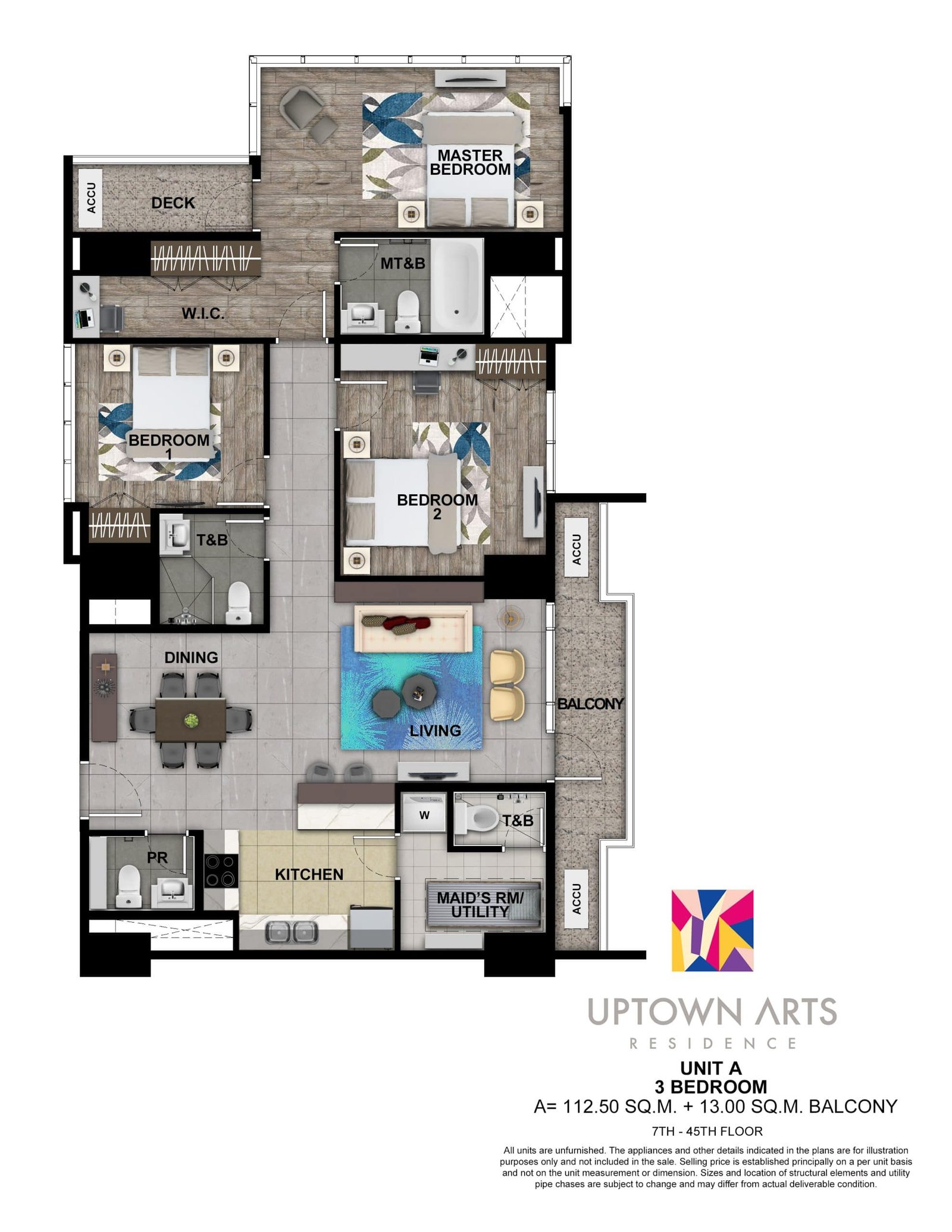
Worth naming directly: many foreigners who assume they want a house-and-lot are actually chasing specific outcomes — more square footage than a typical unit, a yard for kids or pets, or a sense of a standalone home rather than a floor in a tower — rather than land ownership as a goal in itself. Metro Manila's newer condo developments have responded to exactly that demand. Buildings like Park McKinley West offer 4-bedroom and 5-bedroom penthouse configurations, and towers such as Uptown Modern and Uptown Arts Residence carry loft-style 2-bedroom and 3-bedroom units with double-height ceilings that read closer to a townhouse than a conventional flat. None of these substitute for a literal yard, but for a foreign buyer whose real priority is space rather than land title specifically, a larger condo configuration often resolves the underlying want without introducing any of the dependency risk a house-and-lot workaround carries.
It's also worth being honest about timeline. A condo purchase — reservation, contract to sell, construction or turnover, title transfer — follows a well-worn, developer-managed process that thousands of foreign buyers complete every year in Metro Manila alone. A house-and-lot workaround has no equivalent standardized pipeline; every lease, every spousal arrangement, and every corporate structure is negotiated and drafted individually, which means longer lead times, more legal fees, and more that can go wrong in the gap between intent and closing.
Most foreign buyers who think they want a house-and-lot are really solving for space and privacy — and a growing number of Metro Manila condo developments now offer larger, family-sized floor plans that solve for the same thing without the workaround.
The Bottom Line: Simplicity Beats a Workaround
Every house-and-lot workaround is legal when done correctly, and thousands of foreigners in the Philippines use one of them successfully. But each one introduces a dependency — on a marriage, a lessor, or a corporate structure — that a condo purchase simply doesn't have. For a foreign buyer whose priority is a clean title in their own name with no moving parts beyond the purchase itself, the condominium structure isn't a compromise. It's the version of Philippine real estate ownership that was specifically built to work for them.
The buyers who navigate this well are the ones who pick their structure based on what they're actually trying to own — not based on which word, "condo" or "house," sounds more familiar from home.
Talk to us about your budget and priorities and we'll walk through which Metro Manila or Bulacan-corridor condo units currently have foreign-ownership availability, alongside the honest tradeoffs of any house-and-lot workaround you're weighing.
About the Author
MSC Editorial is the in-house editorial team behind this guide — the house editorial brand for Manila Skyline Condos. The team researches Philippine condo buying, financing, and neighborhoods using primary legal and developer sources, cross-checking ownership law against the Constitution, the Condominium Act, and related statutes before publishing.
A Quick, Honest Disclaimer
This guide is general information, not legal advice. Foreign land-ownership rules, lease-term structures, inheritance exceptions, and corporate ownership requirements involve fact-specific legal analysis — a foreign buyer weighing a house-and-lot workaround should consult a Philippine real estate attorney before signing anything. Nothing here should be read as a guarantee of a specific outcome for any individual buyer's situation. Contact us for current condo availability and foreign-ownership status by building.
Frequently Asked Questions
Can a foreigner buy a house and lot in the Philippines?
Not directly as an individual. A foreigner can own the house structure in some arrangements, but cannot hold title to the land underneath it — the 1987 Constitution reserves private land ownership to Filipino citizens and Filipino-majority entities. Foreigners typically access a house-and-lot only through a long-term land lease, a Filipino spouse's name, or a Filipino-majority corporation.
Why can a foreigner own a condo but not a house and lot?
Because a condominium unit is legally structured to be separate from land ownership. Under the Condominium Act (RA 4726), the condominium corporation — which must stay at least 60% Filipino-owned — holds the land, while individual unit owners hold a Condominium Certificate of Title to their specific unit. A house-and-lot has no equivalent structure separating the land from the buyer.
What is the legal basis for the foreign land-ownership restriction?
Article XII, Section 7 of the 1987 Philippine Constitution, which reserves private land ownership to Filipino citizens and to corporations or associations that are at least 60% Filipino-owned. This restriction applies regardless of a foreigner's visa status or how long they've resided in the country.
Can a foreigner lease land instead of buying it?
Yes. Under the Investor's Lease Act (RA 7652), a foreign investor can lease private land for an initial term, renewable once for an extended additional period. A house can be built on the leased land and titled to the foreigner as a separate structure, while the land itself stays titled to the Filipino lessor.
If I marry a Filipino citizen, can we buy land together?
Land purchased during the marriage is titled solely in the Filipino spouse's name — the foreign spouse does not become a co-owner of the land itself, even if the funds used to buy it were jointly earned. Marriage does not remove the constitutional restriction on foreign land ownership.
Can a foreigner inherit land in the Philippines?
In specific circumstances, yes — the constitutional restriction targets acquisition by foreigners, not hereditary succession, so a foreign spouse or foreign children can become legal heirs to land through intestate succession law. This is a narrow, fact-specific area, and anyone relying on it for estate planning should get individualized legal advice rather than treat it as a workaround for buying land directly.
How much of a condo building can foreigners own?
Up to 40% of a building's total floor area, under the Condominium Act. This is a per-project cap on the building's total foreign interest, not a personal limit — an individual foreign buyer can own 100% of their own unit as long as the building overall stays within the 40% ceiling.
Is it harder to get financing for a house and lot than a condo as a foreigner?
Generally yes. A condo unit with a clean Condominium Certificate of Title is straightforward collateral for developer or bank financing. A leasehold house, a spousal-titled land purchase, or a corporate landholding structure all complicate loan eligibility, since the foreigner isn't the direct titleholder to the land in any of those arrangements.
What is a condominium corporation, and why does it matter for foreign ownership?
It's the legal entity created under the Condominium Act that holds title to the land and common areas of a condo project on behalf of all unit owners. Because the corporation itself — not the individual foreign buyer — holds the land, and the corporation must stay at least 60% Filipino-owned, the structure satisfies the constitutional land restriction while still letting a foreigner hold full title to their own unit.
Can a foreigner set up a corporation just to buy land?
A foreigner can hold up to 40% of a corporation that owns land, as long as the corporation is genuinely at least 60% Filipino-owned. Using a Filipino nominee shareholder to disguise what is functionally full foreign control is prohibited under the Anti-Dummy Law (Commonwealth Act 108) and carries real legal risk — this route is typically used for legitimate commercial or agricultural landholdings, not as a workaround for a personal residence.
Which is the simpler purchase for a foreign buyer — a condo or a house and lot?
A condo, in almost every case. It's the only path that gives a foreigner full, individually-titled ownership without requiring a lease term, a spouse's cooperation, or a compliant corporate structure standing between the buyer and the property.
Sources
Legal and structural facts in this guide were cross-checked against primary legal sources and the operator's existing verified reference material. No specific tax rate, price, or building-availability figure is asserted beyond what's confirmed elsewhere on this site.
- 1987 Philippine Constitution, Article XII, Section 7 (land ownership restricted to Filipino citizens and 60%-Filipino entities) — Official Gazette: https://www.officialgazette.gov.ph/constitutions/1987-constitution/ ; LawPhil: https://lawphil.net/consti/cons1987.html
- Republic Act No. 4726 — The Condominium Act (1966) (condominium corporation structure, foreign ownership mechanics) — LawPhil: https://lawphil.net/statutes/repacts/ra1966/ra_4726_1966.html
- Republic Act No. 7652 — Investor's Lease Act (long-term land lease for foreign investors) — LawPhil: https://lawphil.net/statutes/repacts/ra1993/ra_7652_1993.html
- Commonwealth Act No. 108 — Anti-Dummy Law (prohibition on nominee shareholder arrangements to disguise foreign control) — LawPhil: https://lawphil.net/statutes/comacts/ca_108_1936.html
- The 40% per-building foreign ownership cap, mechanics and verification — cross-referenced against this site's own verified guide, content/ghl-fixed-jul11/the-40-percent-rule-explained.json
- Property page (link target): Manila Skyline Condos foreigner buying resources: https://manilaskylinecondos.com/post/can-foreigners-buy-condo-philippines-2026
