How to Buy a Condo While Working Abroad — Without Flying Home
How to Buy a Manila Condo While Working Abroad Without Flying Home
By MSC Editorial — the in-house editorial team of Manila Skyline Condos, tracking OFW condo financing, Special Power of Attorney logistics, and Metro Manila condo inventory across the Philippines.
This guide answers a narrower question than most OFW buying content covers, and it is worth naming that up front: it is not about whether you are legally allowed to buy, or which loan is cheapest — it is about the logistics of doing it while your actual work schedule stays exactly as it is. If you are a foreign national rather than a Filipino OFW, the ownership rules and documentation differ meaningfully — that separate case, including the 40% foreign-ownership rule, is covered in buying a Philippine condo from abroad as a foreign buyer. This guide is written specifically for the Filipino OFW: a citizen with full ownership rights, working a shift schedule, a rotation, or a contract that makes a Manila trip genuinely impractical, not just inconvenient.
Every mechanism here — the Special Power of Attorney, Pag-IBIG membership, pre-selling equity — is covered in fuller detail in our complete OFW buying pillar guide. What this piece adds is the operational layer that pillar does not have room for: how to actually schedule a property search around a 12-hour shift rotation, how fast a courier route really moves, what a video-call unit tour looks like in practice, and what specifically goes wrong when nobody from your side is in the room. Think of this as the field manual, not the map.
Key Takeaways
- Every step genuinely can happen without a Manila trip — reservation, signing, payment, and title transfer all route through a Special Power of Attorney (SPA) and a representative on the ground.
- The SPA courier leg is usually the longest single delay — budget 1–3 weeks for notarization, apostille, and physical delivery to Manila, longer from more remote postings.
- Video-call unit tours and virtual reservations are now standard at accredited developer sales offices, not a workaround you have to request specially.
- Time zone planning matters more than most guides admit — align your calls with a specialist who can work your off-hours, not the other way around.
- Seafarers face the tightest connectivity windows — plan document signing and payments around known port days, not open ocean stretches.
- A trustworthy, precisely-instructed representative is the single biggest risk-reduction move you can make — more than any document or app.
Quick orientation: This is the logistics-and-scheduling companion to the full OFW buying pillar guide. For financing specifics, see Pag-IBIG eligibility for OFWs and turning remittances into mortgage payments. If you are a foreign national rather than a Filipino OFW, start with the foreign buyer's remote process instead — the ownership rules diverge from this point forward.
Why Is Buying Remotely Different for an OFW Than for a Foreign Buyer?
The mechanism looks similar on paper — both routes use a Special Power of Attorney and both close without a home-country trip — but the legal footing underneath is not the same. As a Filipino citizen, an OFW owns a condo outright, with no ownership-percentage cap and no restriction on which floor, tower, or unit type they can hold title to. A foreign national is capped at 40% aggregate foreign ownership per building and needs additional documentation proving citizenship and, often, source-of-funds. That difference changes which representative arrangements make sense, which financing paths are available — Pag-IBIG is open only to Filipino citizens and dual citizens who retain Philippine citizenship — and how much legal review a transaction needs before signing.
Practically, this means an OFW's remote purchase tends to move faster once the SPA is in hand, because there is one less layer of eligibility verification for the developer and lender to run. The logistics challenge for an OFW is almost entirely about distance and scheduling, not legal complexity — which is exactly what the rest of this guide focuses on.
There is also a financing difference worth naming here, because it changes how you plan your remote timeline. A foreign buyer typically pays cash or arranges financing outside the Philippine system, since most Philippine banks do not lend to non-resident foreign nationals on favorable terms. An OFW has Pag-IBIG, Philippine bank financing tied to remittance history, and developer in-house terms all genuinely available — three real options rather than effectively one — which is why the financing conversation belongs in a separate guide and this one stays focused on getting the paperwork and scheduling right.
Can You Really Complete Every Step Without Setting Foot in Manila?
Yes, and it is worth being specific about which steps route through your representative versus which ones you handle directly, because the split is not always obvious. You handle directly: researching towers and units, video calls with a sales specialist, signing and authenticating your SPA, sending payments, and reviewing documents your representative sends back for your sign-off before they act. Your representative handles in Manila: physically visiting the sales office if needed, signing the Reservation Agreement and Contract to Sell under your SPA's authority, submitting your documents, inspecting the unit at turnover, and signing the Deed of Absolute Sale.
The work splits cleanly into two lanes — what you do from wherever you are, and what your representative does in Manila. Nothing requires both of you to be in the same place at the same time.
This split is what makes the whole process work for someone on a fixed rotation. You are never required to be reachable at a specific Manila-time moment except for a handful of scheduled video calls you can plan around your shift pattern weeks in advance.
It helps to think of the entire transaction as a short list of synchronous moments — the initial video tour, the SPA notary appointment, and a handful of confirmation check-ins — surrounded by long asynchronous stretches where your representative and the developer are moving paperwork without needing you online at all. Most OFWs are surprised, once they see the timeline laid out this way, at how little of it actually requires real-time coordination across a 12-hour time difference.
How Do You Schedule a Property Search Around Shift Work and Time Zones?

Manila runs on Philippine Standard Time (UTC+8), which puts most Gulf-based OFWs roughly 5 hours behind, most Southeast Asian postings within 1–2 hours, and North America anywhere from 12 to 16 hours behind depending on the coast. None of that has to be a problem if you plan for it deliberately.
| Your region | Approx. offset from Manila | Best call window (your local time) |
|---|---|---|
| Gulf (UAE, Saudi Arabia, Qatar) | −5 hours | Early evening after shift |
| Europe (UK, most of EU) | −7 to −8 hours | Late afternoon / early evening |
| East Asia (Japan, South Korea) | +1 hour | Almost any waking hour overlaps |
| North America (East Coast) | −12 to −13 hours | Late night or early morning, planned in advance |
| At sea (variable time zones) | Depends on route | Scheduled around known port or shore-leave days |
The practical move is to ask your specialist for a recurring weekly or biweekly window rather than booking calls one at a time — a specialist experienced with OFW clients will already have off-hours availability built into their schedule, because you are far from their only client working this pattern.
What Does a Video-Call Unit Tour and Virtual Reservation Actually Look Like?
Accredited developer sales offices now run video-call unit tours as a routine part of the OFW sales process, not a special accommodation you have to request. A typical session runs 30–45 minutes: the specialist walks a completed model unit or shows the current construction progress on a pre-selling tower via live video, shares floor plans and a current price sheet on screen, and answers questions in real time the same way an in-person walkthrough would. Record the call if the platform allows it — you will want to review unit specifics later without relying on memory.
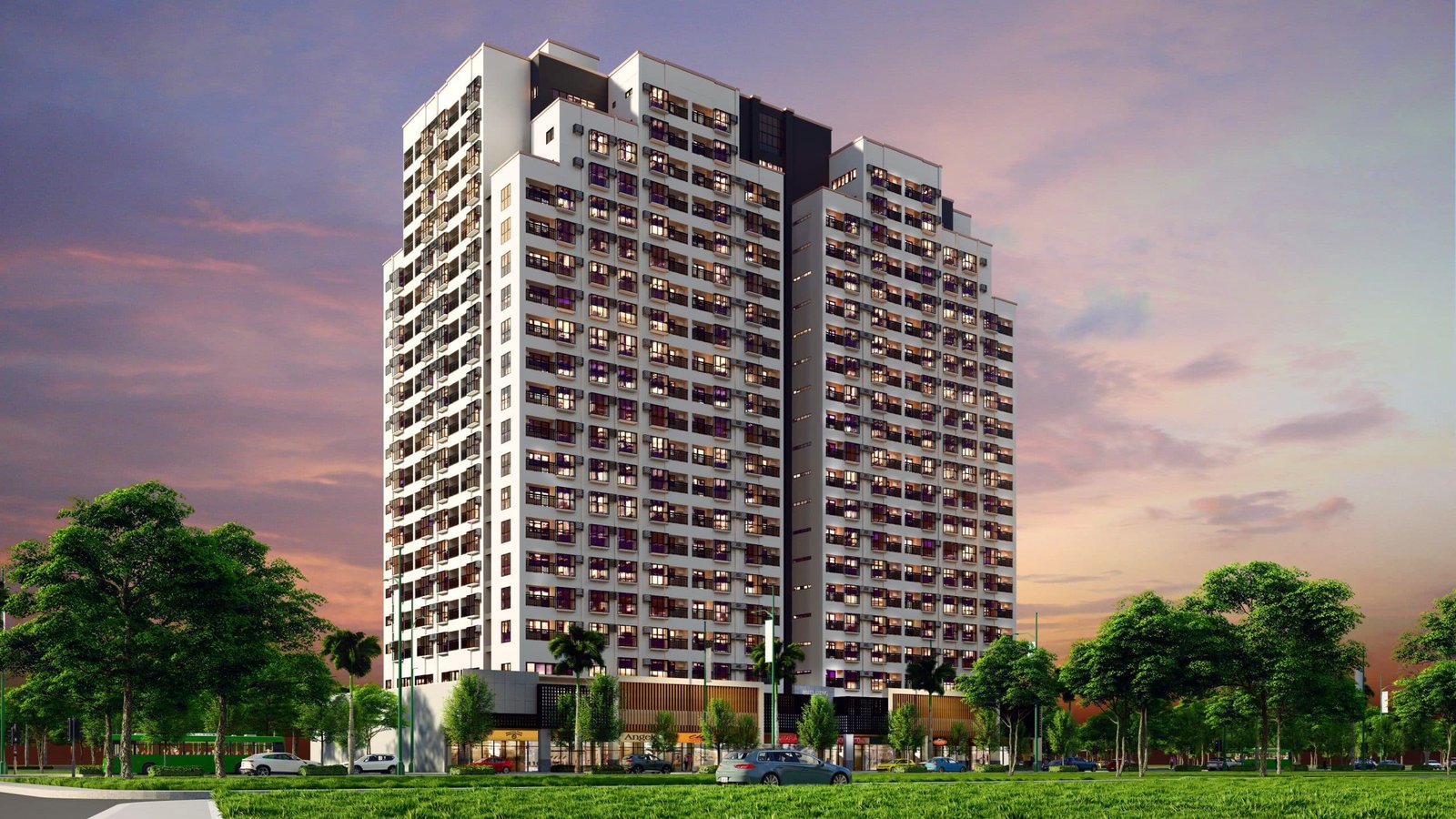
Virtual reservation follows the same logic: the reservation fee is paid by international transfer or card, the Reservation Agreement is reviewed on screen and either e-signed (where the developer supports it) or printed and couriered for a wet signature by your representative, and your unit is locked at the quoted price the same as an in-person reservation. The only real difference from a walk-in reservation is the couriering step for any document requiring a physical signature — which is where the next section's timeline matters.
How Do You Execute an SPA When You Cannot Visit a Notary Easily?
This is the step most OFWs worry about most, and it is also the most predictable one once you know the route. If your host country is part of the Apostille Convention — which covers most major OFW destinations including the US, Canada, UK, Australia, Singapore, Japan, and UAE — you sign the SPA in front of a local notary, then submit it to the designated apostille authority in that country for a single authentication certificate. No consular step is needed after that. If your host country is not a member, you instead execute or authenticate the SPA at the nearest Philippine Embassy or Consulate, which functions as the notarizing and authenticating authority in one visit.
Sign the SPA in front of the notary, not before you arrive — a pre-signed document is often rejected outright, and re-doing it costs you the appointment slot you already booked.
For sea-based workers, this step usually happens during scheduled shore leave or a port call, coordinated in advance with the notary or consulate's appointment system. Some flag states and shipping companies have onboard or port-agent arrangements that can notarize documents even mid-contract — worth asking your manning agency about directly if your rotation makes shore access unpredictable.
How Fast Can You Courier an Authenticated SPA to Manila?
Once your SPA is authenticated, the physical original still has to reach your representative — Pag-IBIG, most banks, and many developers require the original document, not a scanned copy, for the file that eventually gets registered. From most Gulf and Southeast Asian postings, a major courier (DHL, FedEx) typically delivers to Metro Manila in 3–5 business days. From North America or Europe, expect 5–7 business days, longer if customs holds the package for any reason — which happens occasionally with legal documents and is usually resolved by your representative providing supporting information on request.
Build slack into your timeline rather than courier the SPA at the last possible moment before a deadline. A realistic total window from signing the notary appointment to your representative holding the authenticated original in hand is 10 days to 3 weeks, depending on your location and how quickly the apostille or consular step processes. Reserving your unit does not require the SPA to already be in hand — only the Contract to Sell signing and subsequent steps do — so the courier leg can run in parallel with your video-call tour and reservation.
How Do Seafarers and Shift Workers Handle Payments With Irregular Connectivity?
Payment timing is the piece most guides gloss over, and it matters more for sea-based workers than for land-based OFWs with daily internet access. The practical fix is to front-load what you can control: set up autopay for recurring monthly equity or amortization payments from your foreign bank account before you lose reliable connectivity, so payments continue on schedule whether or not you personally log in that month. For one-time payments — the reservation fee, a lump-sum Pag-IBIG contribution catch-up — schedule them for known port days or shore-leave windows rather than assuming you will have connectivity on demand.
Keep your representative informed of your rotation schedule so they know when to expect radio silence versus when a missed response signals an actual problem. A representative who understands you are three weeks from a port and cannot respond to email is a very different situation from one who assumes you have gone unreachable by choice — that context prevents unnecessary escalation on their end.
Land-based OFWs with restrictive work permits — common in parts of the Gulf and in live-in domestic or caregiving roles — face a milder version of the same problem: limited personal phone access during working hours, or a single shared device among housemates. The fix is the same principle scaled down: pre-authorize what you can, schedule calls for your specific known-free hours, and give your representative a backup contact method — a family member's number, a second email — in case your primary channel goes quiet during a busy stretch.
What Can Go Wrong When You're Not in the Room — and How Do You Prevent It?
Three failure modes account for most of the genuine problems remote OFW buyers run into, and all three are preventable with the right setup from day one.
An imprecisely worded SPA. An SPA that says your representative can "handle the property purchase" in general terms, rather than naming the specific property, the specific powers (reserve, sign, pay, accept turnover, sign the Deed of Absolute Sale), and your representative's full legal name and ID details, can be rejected by a bank, Pag-IBIG, or the Registry of Deeds at the exact moment you need it to work. Have a lawyer or your specialist review the SPA language before you notarize it, not after a rejection.
An unreliable or overextended representative. Your representative is doing real, recurring work — visiting offices, chasing signatures, holding documents securely — and choosing someone based purely on family closeness rather than actual availability and reliability is a common and avoidable mistake. A licensed broker acting under your SPA, working alongside a trusted family member, often splits the load better than asking one relative to carry the entire process on top of their own job.
Choose your representative for reliability and availability, not just trust — the two are related but not the same thing, and a well-meaning relative who is too busy to respond for a week can cost you a deadline a licensed broker would not miss.
Assuming a step is done because you paid for it. Payment and paperwork are not the same milestone. Confirm each stage explicitly with your representative or specialist — reservation confirmed, Contract to Sell signed and on file, SPA received, loan application submitted — rather than assuming the process is progressing simply because a payment cleared.
How Does Turnover and Title Transfer Work When You're Still Abroad?

At turnover, your representative physically inspects the unit against the developer's punch list, flags any defects for correction before acceptance, and signs the Deed of Absolute Sale under the SPA's authority once the unit passes inspection. Ask your representative to send a full video walkthrough before they sign off — this is your only real chance to catch a finishing issue before acceptance closes that window. Transfer taxes and documentary stamp tax are settled, and the developer files for the Condominium Certificate of Title to be registered in your name at the Registry of Deeds — a step that typically takes several weeks to a few months to complete after the Deed is signed, independent of whether you are physically present.
None of this requires your presence, but it is the stage where a careless representative causes the most lasting cost — a defect accepted without inspection is much harder to fix after you have signed off on it. If your financing runs through Pag-IBIG, note that the loan release and title annotation follow their own processing timeline, detailed in the Pag-IBIG housing loan guide.
Set explicit expectations with your representative before turnover day arrives: what counts as an acceptable defect versus one that requires the developer to fix before sign-off, how photos and video should be organized so you can review them quickly between shifts, and a clear go/no-go signal you send back once you have reviewed the walkthrough. A little structure here prevents the single most regretted outcome in remote buying — accepting a unit sight-unseen that needed one more round of corrections first.
When Should You Actually Consider Flying Home Anyway?
Nothing in the legal process requires a trip, but three situations make one genuinely worth considering if your contract allows it: buying your very first property, where seeing the actual unit and neighborhood in person removes a category of uncertainty no video call fully resolves; a dispute over unit condition at turnover that your representative cannot resolve remotely with the developer; or a milestone visit timed to coincide with your own home leave, where the trip was happening anyway and a same-visit closing simply saves a step. Outside those cases, the remote process described above is not a compromise — it is how the large majority of OFW purchases already happen.
If your rotation or contract makes even a coordinated remote purchase feel complicated to plan, talk to an OFW specialist and we will build a schedule around your actual shift pattern — not a generic timeline that assumes you are checking email every day.
A Quick, Honest Disclaimer
This guide is general information for OFWs, not legal, tax, or financial advice. SPA authentication requirements, courier timelines, and developer video-tour practices vary by host country, developer, and individual circumstances, and should be confirmed directly with a licensed Philippine broker, a lawyer, and your developer's sales office before you commit. Contact us for current terms and a specialist matched to your time zone.
About the Author
MSC Editorial is the house editorial brand for Manila Skyline Condos. The team researches Philippine condo buying, financing, and neighborhoods using primary legal and developer sources, with particular attention to the logistics OFW clients actually run into working remotely across shift patterns and time zones.
Frequently Asked Questions
Can an OFW really buy a Manila condo without ever visiting the Philippines?
Yes. Every step - reservation, signing, payment, and title transfer - can be completed through a Special Power of Attorney (SPA) and a trusted representative in Manila, with the buyer participating by video call and courier rather than in person.
How is this different from a foreign national buying remotely?
A Filipino OFW owns a condo outright with no ownership-percentage cap and can use Pag-IBIG financing, which is limited to Filipino and dual citizens. A foreign national is capped at 40% aggregate foreign ownership per building and follows a different documentation and financing path.
How long does the SPA courier process actually take?
Typically 10 days to 3 weeks from notary appointment to your representative holding the authenticated original in Manila, depending on your location and whether you use the apostille or consular authentication route.
Do I need to be in a country that's part of the Apostille Convention?
It makes the process faster but is not required. Apostille Convention members (including the US, Canada, UK, Australia, Singapore, Japan, and UAE) skip the consular step entirely. If your host country isn't a member, you authenticate the SPA at the nearest Philippine Embassy or Consulate instead.
What does a video-call unit tour involve?
A 30-45 minute live video session with a developer sales specialist showing a model unit or current construction progress, floor plans, and current pricing - a standard part of the OFW sales process at accredited developers, not a special accommodation.
How do seafarers handle payments with limited internet access?
By setting up autopay for recurring monthly payments before losing connectivity, and scheduling one-time payments like the reservation fee around known port days or shore-leave windows rather than assuming on-demand access.
What is the most common mistake remote OFW buyers make?
Writing an imprecise SPA that doesn't name the specific property, powers, and representative details clearly enough - this can cause a bank, Pag-IBIG, or the Registry of Deeds to reject it at the exact moment it needs to work.
Should my representative be a family member or a licensed broker?
Either can work, and many OFWs use both together. The deciding factor should be reliability and actual availability to visit offices and respond promptly, not just trust or family closeness alone.
Do I need to be present for turnover and title transfer?
No. Your representative inspects the unit against the developer's punch list, flags any defects, and signs the Deed of Absolute Sale under your SPA. Request a full video walkthrough before they sign off, since that is your last real chance to catch a finishing issue.
Is there ever a good reason to fly home for the purchase anyway?
It can be worth it for a first property purchase where seeing the unit in person removes uncertainty, an unresolved turnover dispute, or a purchase timed to coincide with planned home leave - but none of these are legally required.
What time zone challenges should I plan for?
Manila runs 5 hours ahead of the Gulf, 7-8 hours ahead of most of Europe, and 12-16 hours ahead of North America depending on the coast. Ask your specialist for a recurring call window built around your shift pattern rather than booking calls one at a time.
Sources
Facts and figures in this guide were verified against official and primary sources, and cross-checked for consistency against Manila Skyline Condos' own live OFW buying guides:
- Special Power of Attorney for property purchase; apostille vs consularization; Apostille Convention member countries — DFA Authentication (Apostille) Division: https://www.apostille.gov.ph/documentary-requirements/ ; Respicio & Co.: https://www.lawyer-philippines.com/articles/consularized-special-power-of-attorney-philippines
- Pag-IBIG Overseas Program and OFW housing loan eligibility (24 contributions, apply-from-abroad routes) — Pag-IBIG Fund official: https://www.pagibigfund.gov.ph/pop.html
- Condominium Act (RA 4726) — Filipino citizen ownership, no foreign-ownership cap for citizens — LawPhil: https://lawphil.net/statutes/repacts/ra1966/ra_4726_1966.html
- Philippine Standard Time / UTC+8 and standard OFW host-country time offsets — used for the time-zone reference table; general geographic fact, not attributed to a single source.
- Developer virtual reservation, video-tour, and remote-buyer sales practices for OFW clients — cross-checked against Manila Skyline Condos' own OFW buying pillar and developer sales-process documentation.
Note on verification: SPA and apostille mechanics are confirmed against the DFA Authentication Division and standard Philippine legal-practice sources, consistent with the OFW pillar guide already published on this site. Courier timelines (3-5 and 5-7 business days) reflect standard DHL/FedEx published transit times to Metro Manila from the regions named and are estimates, not guarantees - actual delivery depends on customs processing and origin location. No specific developer's video-tour policy or Contract to Sell language is quoted verbatim; readers should confirm exact procedures with their chosen developer's sales office.
