Is a Pre-Selling Condo a Good Investment in the Philippines? Risks vs Rewards
Is a Pre-Selling Condo a Good Investment in the Philippines? Risks vs Rewards
By MSC Editorial — the in-house editorial team of Manila Skyline Condos, tracking developer track records, DHSUD licensing, construction timelines, and buyer protections across Metro Manila and Bulacan pre-selling projects.
Pre-selling is sold as the affordable way into a Metro Manila condo — and the price math genuinely favors it, with units commonly priced 20–30% below the finished-unit equivalent. What the sales deck doesn't put on the same slide is that you're also buying a promise: a tower that doesn't exist yet, built by a company you're trusting to finish it, on a timeline that has a documented history of slipping across the industry. This guide is the honest risk-versus-reward accounting the brochure skips.
None of this means pre-selling is a bad investment — most pre-selling purchases in the Philippines complete without incident, and the discount is real. It means the reward has to be weighed against specific, nameable risks rather than assumed away, and this guide names them.
Key Takeaways
- The reward is real: pre-selling units are commonly 20–30% below the equivalent RFO price, with appreciation potential if the tower and area perform.
- The biggest risk is developer non-delivery — a stalled or cancelled project, mitigated but not eliminated by the DHSUD License to Sell requirement.
- Construction delays are common, not rare — a 12–18 month slip beyond the original turnover date is a realistic scenario to budget around, not a worst case.
- Finished units don't always match the marketing render exactly — finishes, fixtures, and views can differ from what was shown at reservation.
- PD 957 and Maceda Law (RA 6552) provide real legal protection, but they are remedies you invoke after something goes wrong, not a guarantee nothing will.
- Verifying a developer's DHSUD License to Sell and track record before reserving is the single highest-leverage risk-reduction step available to a buyer.
Quick orientation: This guide focuses on whether pre-selling is a sound investment given its risks. For how pre-selling compares mode-to-mode against move-in-ready inventory, see Pre-Selling vs RFO. For area-by-area yield and appreciation ranges, see Condo ROI in Manila. For the full pre-selling mechanics pillar, see Pre-Selling Condos in Manila.
Is Pre-Selling Actually a Good Investment, or Just a Cheaper Purchase?
These are two different questions, and pre-selling marketing tends to answer only the second one. A cheaper purchase is objectively true: the 20–30% discount versus RFO pricing is well documented across the industry and shows up consistently in project-to-project comparisons within the same building. A good investment is a separate claim — it depends on whether the discount you locked in survives construction-period risk, whether the area appreciates as the marketing thesis promises, and whether you can actually exit or occupy the unit on the timeline you need.
The honest framing: pre-selling is a good investment for a buyer who understands and can absorb the specific risks in this guide, in exchange for a real discount and real appreciation upside. It's a weaker investment for a buyer who is pricing in the discount without pricing in the risk — because the risk is what the discount is compensating you for in the first place. Developers don't sell 20–30% below finished value out of generosity; they sell at a discount because you're taking on construction-period risk they'd otherwise have to price into a bank construction loan.
A useful mental model: think of the 20–30% discount as a risk premium you're being paid, not a gift. A buyer who then does the work to reduce that risk — verifying the developer, budgeting for delay, lining up financing early — effectively keeps more of that premium as real, uncompensated-for upside. A buyer who skips the due diligence is, in effect, accepting the same risk the discount was meant to compensate for without doing anything to manage it down. The size of the discount doesn't change either way; what changes is how much of it survives as genuine profit versus how much gets eaten by an outcome the discount was supposed to be pricing in from the start.
How Much Appreciation Can You Realistically Expect?
There is no verified, universal appreciation percentage for Philippine pre-selling condos, and any guide that quotes one specific figure as a guarantee is fabricating it. What's citable is the pattern: property-consultancy market reporting has generally shown established BGC and Makati towers with strong location fundamentals appreciating in the low-to-mid single digits annually over multi-year periods, while fringe and oversupplied locations have seen flat or compressed appreciation through the 2023–2026 oversupply cycle. A pre-selling buyer captures the construction-period discount as a form of built-in appreciation the moment the unit is completed and priced against the current RFO market — that part is close to mechanical — but appreciation beyond that point depends entirely on the same location fundamentals that drive appreciation for any condo, pre-selling or not.
What Is the Biggest Risk: Can a Developer Actually Fail to Deliver?
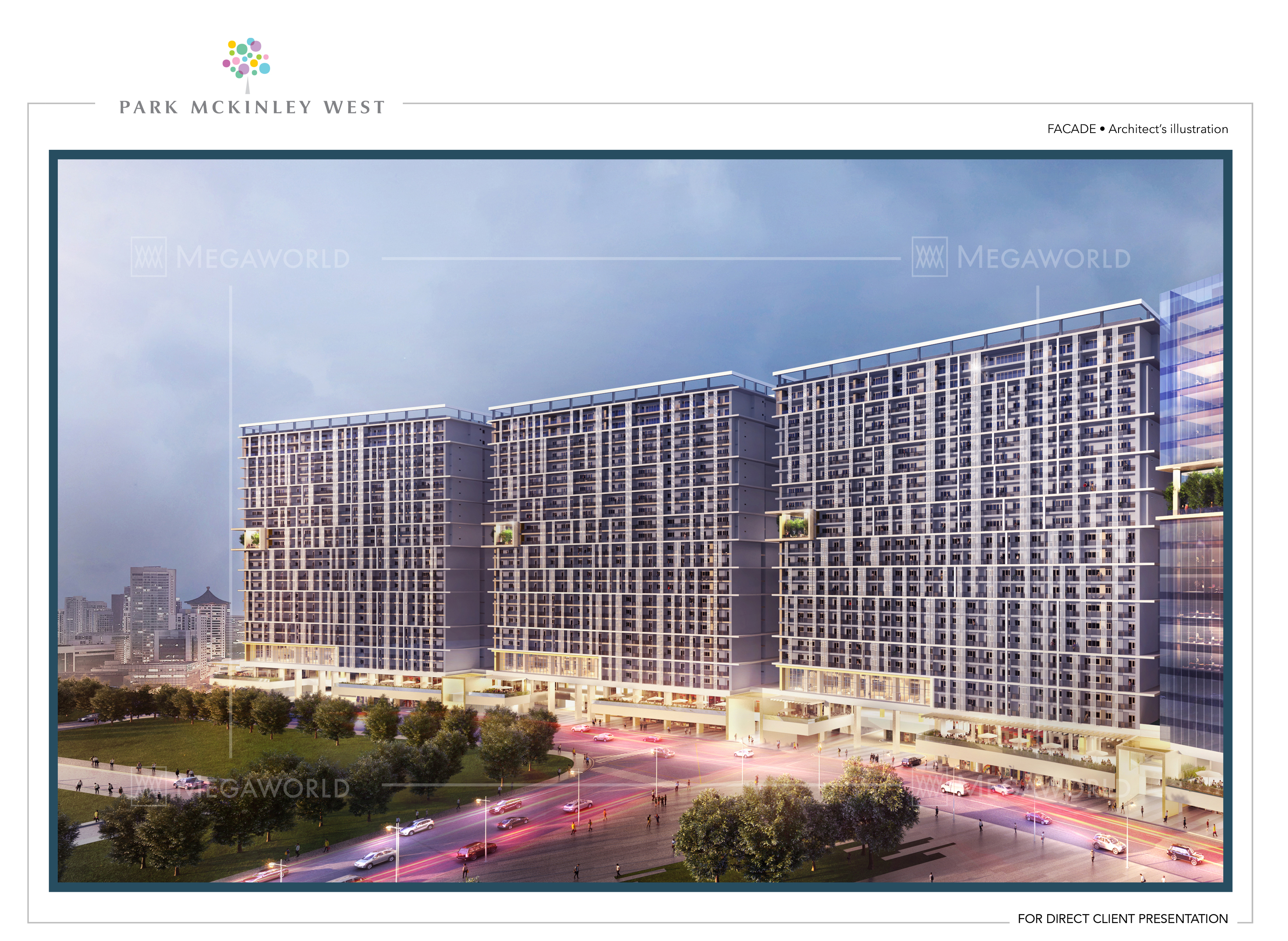
Yes — this is the single largest risk category in pre-selling, and it deserves to be named plainly rather than softened. A developer can under-capitalize a project, mismanage construction, or in rarer cases fail outright, leaving a partially built tower and buyers who've already paid years of installments. This has happened in the Philippine market, which is precisely why PD 957 exists: to require a License to Sell backed by a performance bond before any developer can legally pre-sell a unit, and to give buyers a legal remedy — full reimbursement of amounts paid, with legal interest — if a licensed developer fails to develop the project according to its approved plans and timeline.
The practical risk-management takeaway is not "avoid pre-selling entirely" — it's "scrutinize the developer, not just the unit." A developer's track record of completing prior projects on or near schedule, its financial scale, and its standing with DHSUD are more predictive of whether your specific project delivers than the render on the sales floor.
How Do You Verify a Developer Before Committing Money?
Before signing a Reservation Agreement, request and review the developer's DHSUD License to Sell for the specific project — not the developer's general business registration, the project-specific license. A legitimate developer's sales team will produce this without hesitation; reluctance to show it is itself a warning sign. Also ask for the specific project's approved land title, master deed, and performance bond details, all of which PD 957 gives you the right to inspect before signing.
Beyond the paperwork, look at the developer's completed portfolio: how many prior projects has this developer delivered, roughly on what timelines, and what do buyer reviews and industry reporting say about finish quality on those completed towers? A developer with a long, largely on-schedule track record across multiple completed Metro Manila projects carries meaningfully less delivery risk than a newer entrant with no completed towers to point to — that difference in track record is worth more to your risk exposure than a slightly better unit layout or a slightly lower price.
Scrutinize the developer, not just the unit — track record predicts delivery better than the sales render does.
What Happens to Your Money If a Project Stalls or Gets Cancelled?
If the developer held a valid DHSUD License to Sell and the project simply fails to develop according to its approved plans and timeline, PD 957 entitles a buyer who gives due notice and stops paying to reimbursement of the total amount paid, including amortization interest, with legal interest added on top. If a sale was made without a valid License to Sell in the first place, the sale itself can be voided and fully refunded at the buyer's instance — which is exactly why verifying the license before signing matters so much: it's the difference between a clean legal remedy and a much harder-to-enforce claim against an unlicensed seller.
In practice, pursuing this remedy takes time, and buyers should understand it as a backstop, not a convenience. A stalled project can mean months or years of administrative and legal process before funds are actually recovered, during which the money you've paid is neither growing nor available to you. The legal protection exists and is real, but avoiding the situation entirely through developer due diligence is a far better outcome than relying on the remedy after the fact.
How Common Are Construction Delays, and What Do They Actually Cost You?
Delays are common enough that a buyer should treat them as the realistic base case, not an unlucky exception. Philippine construction projects, including well-capitalized ones from major developers, have a documented pattern of slipping past original turnover targets — driven by permitting, labor and material supply, weather, and the ordinary complexity of large vertical construction. A 12–18 month slip beyond the original stated turnover date is a realistic scenario to budget around; treating the marketing brochure's turnover year as fixed is the single most common way a pre-selling buyer's plans get disrupted.
| Risk category | What can go wrong | Primary mitigation |
|---|---|---|
| Developer non-delivery | Project stalls, developer under-capitalized or fails outright | Verify DHSUD License to Sell + performance bond; check developer's completed-project track record |
| Construction delay | Turnover slips 12–18+ months beyond original target | Budget your own timeline with a delay buffer; don't sign a lease or job commitment assuming the original date |
| Finish / spec mismatch | Delivered unit differs from marketing render in finishes or fixtures | Review the master deed and unit specification sheet, not just the render, before signing |
| Market / oversupply risk | Area appreciation underperforms the sales thesis; high vacancy suppresses resale value | Independently check the area's vacancy and demand fundamentals, not just the developer's growth narrative |
| Turnover financing risk | Buyer cannot qualify for bank/Pag-IBIG financing when the balance comes due | Start bank or Pag-IBIG pre-approval conversations in year one of the build, not at turnover |
A delay doesn't just cost time. It costs whatever the buyer's actual plan was tied to that date — a lease ending, a job relocation, a rental-income projection, or a turnover-financing pre-approval that may need to be refreshed if it expires before the building is actually ready. Build a buffer into every plan that depends on a pre-selling turnover date.
Do Finished Units Always Match the Marketing Renders?
Not always, and this is a narrower but real risk distinct from outright non-delivery. Show units and marketing renders represent the developer's intended finish level, but the actual delivered unit can differ in fixture brands, finish quality, or minor layout details, particularly on lower-tier unit types within a project where the show unit showcased a higher-spec configuration. This isn't necessarily a breach of contract — it depends on what the Contract to Sell and unit specification sheet actually promise, which is why reviewing those documents in detail, rather than relying on the show unit alone, matters before signing.
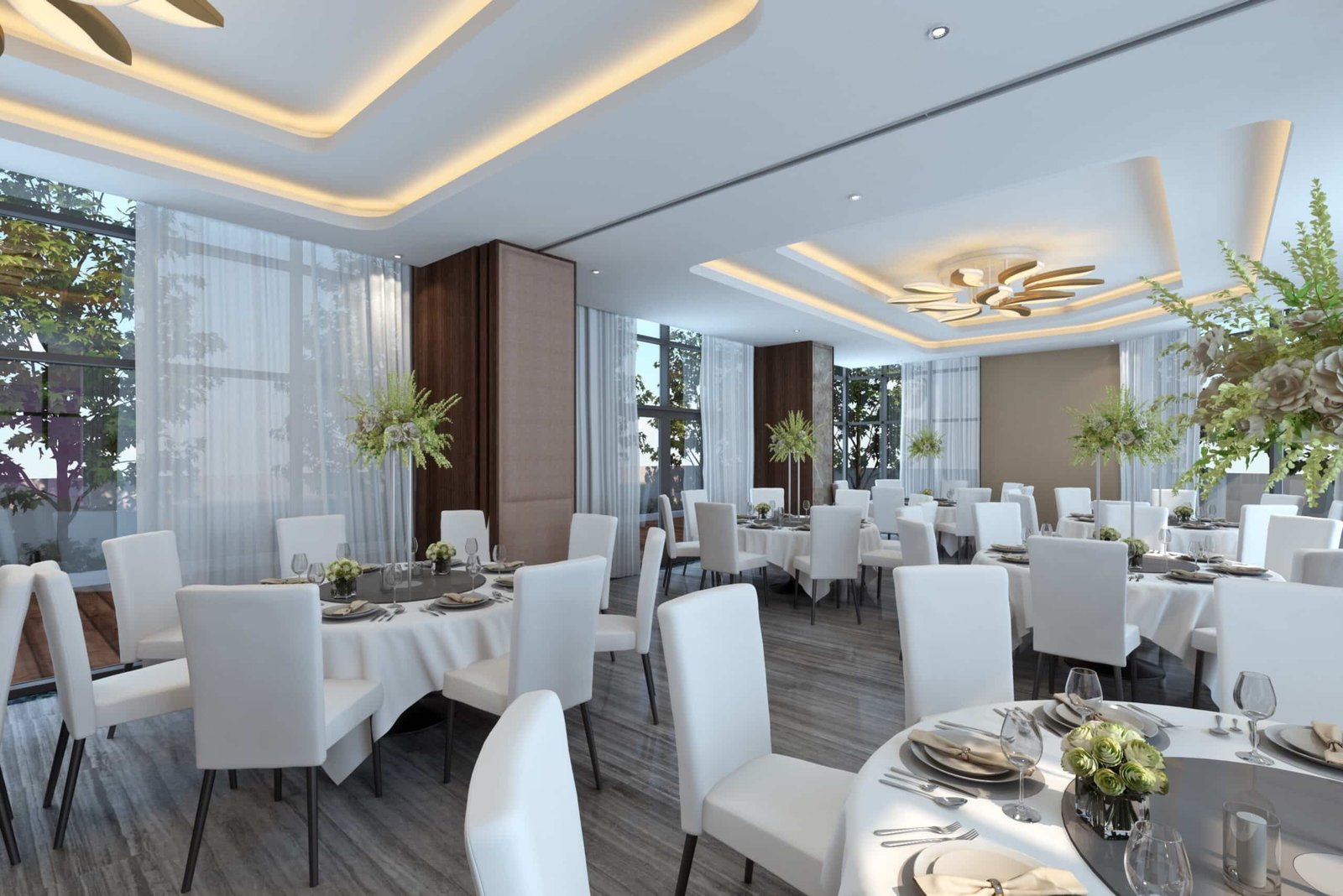
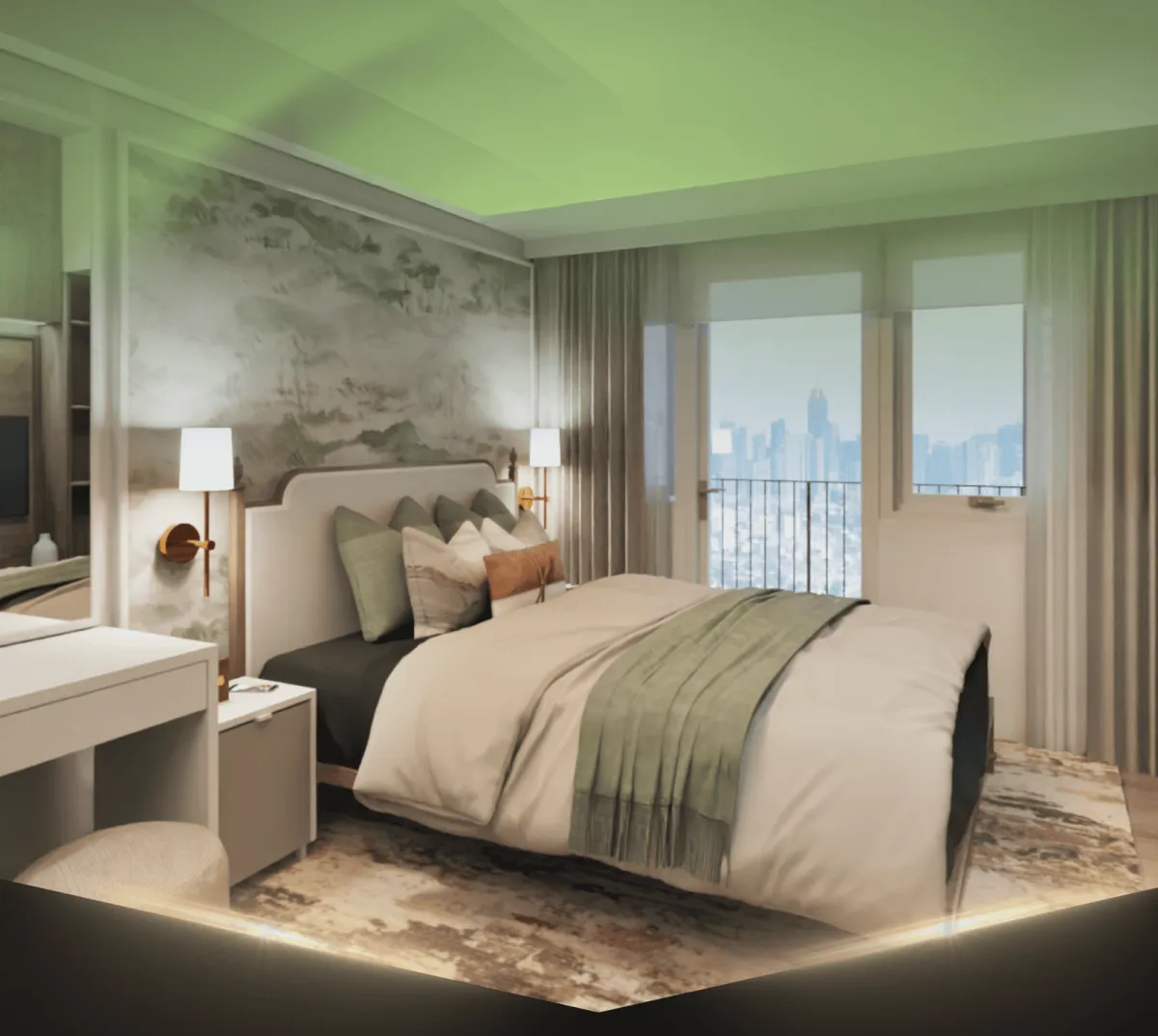
View orientation is a related, commonly overlooked risk: pre-selling floor plans show unit position and stack, but the actual view from a specific floor and unit can be affected by other structures completed after your reservation, including phases of the same development that weren't built yet when you reserved. Ask specifically about any planned future phases or nearby developments that could affect your unit's eventual view before assuming the current sales-floor mockup reflects reality at turnover.
Fixtures and finish quality are worth the same scrutiny. Sales-floor show units are frequently upgraded beyond the standard specification to make the best possible impression — better cabinetry, higher-end flooring, or appliance brands that may not be what's actually included in the base contract price. The unit specification sheet, not the show unit, is the legally binding description of what you're buying; ask explicitly whether the show unit reflects standard inclusions or an optional upgrade package, and get the answer in writing rather than assuming the walkthrough is a preview of exactly what arrives at turnover.
How Does Oversupply Risk Affect a Pre-Selling Investment Specifically?
Metro Manila condo vacancy was reported at approximately 25% heading into 2026 — a market condition that matters more for a pre-selling buyer than an RFO buyer, because a pre-selling buyer is committing to a specific area's demand fundamentals two to four years before those fundamentals are confirmed. An area's growth thesis at the time of reservation — new transit, new offices, a new anchor development — can underdeliver by the time the tower is turned over, leaving a buyer holding a unit in a more oversupplied market than the one they underwrote at signing.
This risk is highest in newer, less-established corridors where the investment case depends heavily on infrastructure or commercial catalysts that are still under construction at the time of purchase, and lowest in established CBDs like BGC and Makati where demand fundamentals are already proven rather than projected. That doesn't make emerging-corridor pre-selling a bad investment — the discount and appreciation upside can be larger precisely because the risk is higher — but it does mean the oversupply and demand-timing risk deserves more weight in the decision than it typically gets in the sales pitch.
What Legal Protections Actually Apply If Something Goes Wrong?
Two statutes do the real work here, and it's worth being precise about what each one actually covers rather than treating "there are legal protections" as a blanket reassurance. PD 957 governs the developer's obligations: the License to Sell requirement, the performance bond, and the reimbursement remedy if a licensed developer fails to develop the project as approved. Maceda Law (RA 6552) governs the buyer's obligations: what happens if you fall behind on your own installment payments, with grace periods and — after two years of payments — a cash surrender value of 50% of total payments made, rising 5% per year after five years, capped at 90%, if the contract is ultimately cancelled.
Neither law prevents a delay or a developer's financial trouble from happening — they define the remedy after it happens. That distinction matters for how much weight to put on "legal protections exist" as a reason to skip developer due diligence: the protections are real and worth understanding, but they are not a substitute for verifying the developer's license and track record before you commit money in the first place.
Legal protections define the remedy after something goes wrong — they are not a substitute for developer due diligence before you commit money.
Who Should — and Shouldn't — Treat Pre-Selling as an Investment?
Pre-selling makes sense as an investment for a buyer who has independently verified the developer's DHSUD License to Sell and completed-project track record, who can absorb a realistic 12–18 month delay without financial or life-plan disruption, who has started turnover-financing pre-approval early rather than waiting until the last stretch of the build, and who has evaluated the area's demand fundamentals rather than taking the sales thesis at face value. That buyer is genuinely well-positioned to capture the discount and appreciation upside pre-selling offers.
It doesn't fit a buyer who needs the specific turnover date to hold for an unrelated life event — a job relocation, a lease expiration, a wedding — since a slip is a realistic outcome, not an edge case. It doesn't fit a buyer who hasn't checked whether they can actually qualify for the turnover-balance financing, since the discount is irrelevant if the balance can't be financed. And it doesn't fit a buyer treating the sales deck's appreciation narrative as a guaranteed return rather than a thesis that depends on the same location fundamentals that drive any Metro Manila condo's value.
Talk to us about a specific developer and project and we'll walk through the DHSUD licensing status, the developer's completed-project track record, and current payment terms — the due-diligence conversation the sales floor doesn't always lead with.
About the Author
MSC Editorial is the in-house editorial team behind this guide — the house editorial brand for Manila Skyline Condos. The team researches Philippine condo buying, financing, and developer track records using primary legal sources, DHSUD licensing information, and property-industry market reporting.
A Quick, Honest Disclaimer
This guide is general information, not legal, tax, or investment advice, and nothing here guarantees a specific developer's delivery, a specific timeline, or any return on investment. Property values can fall as well as rise, and pre-selling carries real construction and developer risk alongside its price advantage. Before signing or paying anything, verify the developer's current DHSUD License to Sell directly, and consult a licensed Philippine real estate broker, lawyer, and/or financial professional — contact us if you'd like help starting that verification for a specific project.
Frequently Asked Questions
Is buying a pre-selling condo in the Philippines actually a good investment?
It can be, for a buyer who verifies the developer's DHSUD License to Sell and track record, budgets for a realistic construction delay, and starts turnover-financing pre-approval early. The 20–30% pre-selling discount versus RFO pricing is real, but it compensates for real construction and developer risk — it is not a guaranteed return.
What is the biggest risk of buying a pre-selling condo?
Developer non-delivery — a stalled or cancelled project. This is mitigated, but not eliminated, by the DHSUD License to Sell requirement under PD 957, which requires a performance bond and gives buyers a reimbursement remedy if a licensed developer fails to develop the project as approved.
How do I verify a developer's DHSUD License to Sell?
Request the project-specific License to Sell directly from the developer's sales team before signing a Reservation Agreement — a legitimate developer will produce it without hesitation. You also have the legal right under PD 957 to inspect the land title, master deed, and performance bond details for the specific project.
What happens to my money if a pre-selling project is cancelled?
If the developer held a valid License to Sell and failed to develop the project as approved, PD 957 entitles a buyer who gives due notice to reimbursement of the total amount paid, with legal interest. If the sale was made without a valid license, the sale can be voided and fully refunded. Pursuing this remedy takes time and should be understood as a backstop, not a convenience.
How long do pre-selling construction delays typically run?
There's no universal figure, but a 12–18 month slip beyond the original stated turnover date is a realistic scenario to budget around across the industry, driven by permitting, labor and material supply, and the ordinary complexity of large vertical construction. Treat the brochure's turnover year as an estimate, not a fixed date.
Does the finished unit always match the pre-selling marketing render?
Not always. The delivered unit can differ from the show unit or render in fixture brands, finish quality, or minor layout details, particularly on lower-tier unit types. Review the Contract to Sell and unit specification sheet in detail rather than relying on the marketing render alone.
How does oversupply affect a pre-selling investment specifically?
Metro Manila condo vacancy was reported at approximately 25% heading into 2026. A pre-selling buyer commits to an area's demand fundamentals two to four years before those fundamentals are confirmed, so a growth thesis that underdelivers by turnover leaves the buyer in a more oversupplied market than they underwrote at signing. This risk is highest in newer, less-established corridors.
What legal protections apply to pre-selling condo buyers?
PD 957 governs the developer's obligations, including the License to Sell requirement and reimbursement if a licensed developer fails to deliver. Maceda Law (RA 6552) governs what happens if the buyer falls behind on payments, including grace periods and a cash surrender value after two years of payments. Both are real remedies, but they apply after something goes wrong — they don't prevent delays or developer trouble from happening.
Who should not treat pre-selling as an investment?
Buyers who need a specific turnover date to hold for an unrelated life event, buyers who haven't confirmed they can qualify for the turnover-balance financing, and buyers treating a developer's appreciation narrative as a guaranteed return rather than a thesis dependent on real location fundamentals.
Is pre-selling always cheaper than RFO for the same unit type?
Generally yes — pre-selling units are commonly priced 20–30% below the equivalent finished-unit (RFO) price in the same building, an industry-standard range rather than a fixed figure that varies by project and developer. The discount reflects the construction-period risk the buyer is absorbing.
Sources
Legal and market facts in this guide were verified against the following sources. No specific developer, project, or appreciation percentage is asserted as guaranteed anywhere in this guide.
- PD 957 License to Sell requirement, performance bond, and non-development reimbursement remedy: DHSUD official FAQs — https://dhsud.gov.ph/p-d-no-957-legal-faqs/ ; https://dhsud.gov.ph/requirement-of-license-to-sell-hred-faqs/
- PD 957 full statute text: LawPhil — https://lawphil.net/statutes/presdecs/pd1976/pd_957_1976.html
- PD 957 refund remedy for an unlicensed developer: Respicio & Co. — https://www.lawyer-philippines.com/articles/pre-selling-house-refund-for-unlicensed-developer
- Maceda Law grace periods and cash surrender value (RA 6552): DHSUD official FAQs — https://dhsud.gov.ph/maceda-law-ra-6552-legal-faqs/ ; https://dhsud.gov.ph/the-maceda-law-and-refund-of-installment-payments-hred-faqs/
- Maceda Law full statute text: Supreme Court E-Library — https://elibrary.judiciary.gov.ph/thebookshelf/showdocs/2/1688
- Pre-selling vs RFO price gap and market context: Philbrokers — https://philbrokers.com/pre-selling-vs-rfo-philippines/
- Metro Manila condo vacancy and oversupply context (~25% late 2025): cross-checked against property-industry market reporting used consistently across this site's Pre-Selling & ROI cluster.
Note on verification: Legal mechanics (PD 957 License to Sell, performance bond, and non-development remedy; Maceda Law grace periods and cash surrender value) were confirmed against DHSUD official FAQs and primary statute text. The 20–30% pre-selling price discount and the ~25% late-2025 vacancy figure are market estimates drawn from property-industry sources, consistent with prior guides in this cluster. No specific developer's delivery, timeline, or appreciation outcome is asserted or guaranteed anywhere in this guide.
