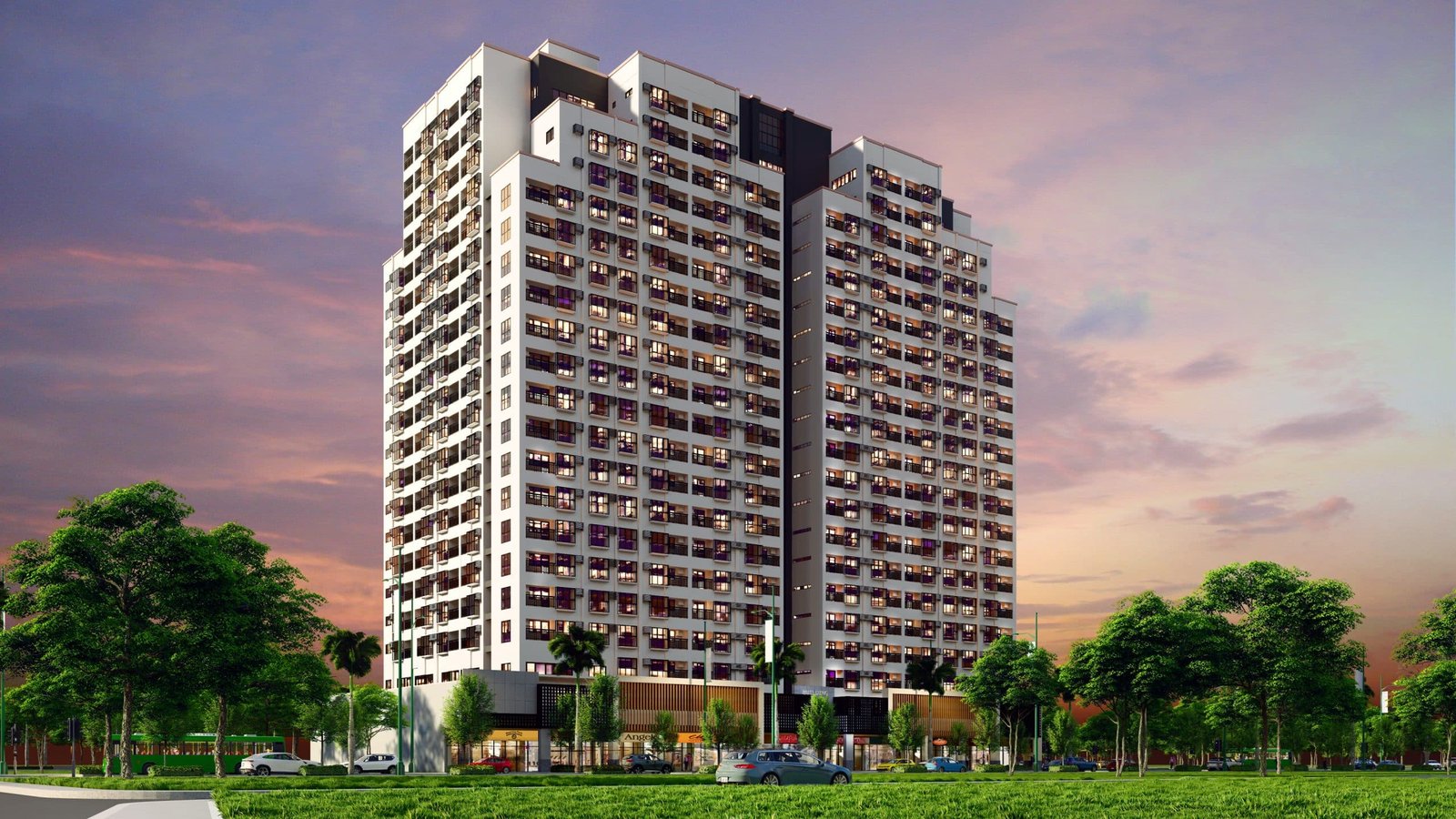
Pre-Selling Condos Manila 2026: Buy Early, Pay Less
Pre-Selling Condos in Manila 2026: How to Buy Early, Pay Less, and Profit
By MSC Editorial — the in-house editorial team of Manila Skyline Condos, tracking developer pre-selling terms, buyer protections, and Metro Manila condo inventory across the Philippines.
Most people assume owning a home in Manila means saving for years, then begging a bank for a mortgage. There's a quieter route that flips the order: you buy the unit before it exists, lock today's price, and pay it off in small monthly slices while the building goes up. That route is called pre-selling, and it's the single biggest reason a first-time buyer or young professional can get into a Metro Manila condo with zero down payment and monthly terms that can start near ₱14,000 — roughly what a decent rental costs.
The trade is simple. You give up moving in today. In exchange you pay a lower entry price than a finished unit, you stretch the down payment interest-free across the construction period, and — if the area does what BGC and Makati have done — the unit is often worth more by the time you get the keys than what you agreed to pay. That last part is a bonus, not a promise, and this guide treats it that way.
What follows is the honest version: how pre-selling actually works, how the payment ladder is built, what the appreciation and rental-yield numbers really look like in 2026, and — the part nobody likes to talk about — the risks and the laws that protect you when a developer slips. Every financial and legal claim below is sourced at the end, not pulled from memory.
Key Takeaways
- Pre-selling means buying a unit while the tower is still under construction — you pay the developer directly on a staggered schedule instead of getting a bank loan first. Ready-for-occupancy (RFO) units are finished and move-in ready, but cost more.
- Pre-selling typically prices 20–30% below the eventual RFO price, and the down payment is usually spread interest-free across the 2–4 year build — which is what makes zero-down, ~₱14,000/month entry possible. (Discount figures are market estimates.)
- Capital appreciation during construction is the upside, not a guarantee. BGC carries Metro Manila's highest gross rental yields (roughly 7–9% on 1BR units, per 2026 market data) and historically strong appreciation, but 2026 also has elevated condo vacancy — so returns are never assured.
- You are protected by real law. Developers must hold a DHSUD License to Sell under PD 957 before selling pre-selling units, and the Maceda Law (RA 6552) gives installment buyers grace periods and a partial refund (cash surrender value) after two years of payments.
- The main risks are construction delays, developer default, and over-stretching your budget — all manageable if you verify the License to Sell, buy from an established developer, and budget for hidden costs.
- Prices aren't public. Developers release official price lists and payment ladders per project, so the real numbers come from requesting them for a specific tower.
Quick orientation: This is the pillar guide for pre-selling, payments and ROI. Companion guides go deeper on the pre-selling vs RFO decision, how condo payment terms work, and whether a pre-selling condo is a good investment. New to Philippine property entirely? Start with can foreigners buy a condo in the Philippines, or jump straight to our property listings.
What Is a Pre-Selling Condo, and How Is It Different From RFO?
A pre-selling condo is a unit sold before construction is finished — sometimes before ground is even broken. You're buying a contract and a floor plan, not a finished room.
Definition — pre-selling: Buying a condominium unit in a tower that is still under construction, on a staggered payment schedule paid directly to the developer over the build period (often 2–4 years), rather than securing a bank loan up front. You take possession at turnover, when the building is completed.
Definition — RFO (ready-for-occupancy): A unit in a completed, licensed-for-occupancy building you can move into (or rent out) immediately after closing. RFO removes construction risk and waiting time, but costs more than the same unit did during pre-selling.
The difference that matters most to a value-conscious buyer is price and cash flow. Pre-selling units are commonly priced 20–30% below the eventual RFO price of the same unit, because the developer is rewarding you for buying early and funding their construction. The down payment is broken into small monthly pieces across the build, usually at 0% interest. RFO, by contrast, asks for a larger down payment sooner and a quicker move to a bank loan — you pay more, but you can live in it or rent it out now.
Here's the head-to-head:
| Factor | Pre-Selling | RFO (Ready-for-Occupancy) |
|---|---|---|
| Price | Lower entry (often 20–30% below RFO) | Higher — reflects the finished, ready unit |
| Down payment | Spread interest-free over construction (2–4 yrs) | Larger, due sooner |
| Move-in / rental income | At turnover (years away) | Immediately |
| Appreciation potential | Higher (you ride the build-out) | Lower (already priced as finished) |
| Construction risk | Yes — delays, developer default | None — it's already built |
| Best for | Patient value buyers, first-timers building equity slowly | Buyers who need to live in or rent out now |
If your priority is getting in cheaply with low monthly outlay and you can wait for turnover, pre-selling is built for you. If you need a roof or rental income today, RFO wins despite the premium. We weigh this trade-off case by case in the pre-selling vs RFO guide.
How Do Pre-Selling Payment Terms Actually Work?
This is where pre-selling earns its reputation for attainability. Instead of one big down payment, the cost is broken into three stages you fund over time.
Definition — reservation fee: A relatively small upfront payment (commonly around ₱25,000–₱60,000 at major developers) that holds your specific unit and locks the price while you complete documents. It's typically deducted from the contract price, so it isn't an extra cost — it's your first payment.
The standard pre-selling payment structure runs like this:
- Reservation fee. You pay it to hold the unit and lock today's price. At Megaworld, for example, the reservation fee has commonly been in the ₱50,000–₱60,000 range, credited toward the price.
- Down payment / equity, spread across construction. Instead of a lump 20%, the down payment is split into monthly installments across the 2–4 year build, usually at 0% interest. Developers frequently structure this as 10–35% of the contract price paid over the construction period — and some offer zero-down promotions where there's no separate down payment at all. This is the stage that produces the headline "~₱14,000/month" and "no down payment" entry terms on smaller units.
- Balance at turnover. When the tower is completed, you settle the remaining balance — usually 65–90% of the price — through one of three routes: a bank loan, a Pag-IBIG housing loan, or the developer's in-house financing.
That third step is where buyers should plan ahead. Bank and Pag-IBIG loans carry lower interest than developer in-house financing, so the smart play is to qualify for a bank or Pag-IBIG takeover before turnover rather than defaulting to the pricier in-house route. We break the full mechanics down in how condo payment terms work.
The reason this works for a young professional is cash flow, not wealth. You're not saving a 20% cash down payment and then qualifying for a mortgage. You're paying small, interest-free amounts monthly while you keep working — and the developer effectively finances your equity build-up as the building rises.
Want the real ladder for a specific tower? Pre-selling price lists, the exact monthly payment schedule, and current promos aren't published — developers release them per project and they change as units sell. Request the official price list and payment plan and we'll connect you with a specialist for that exact building who can lay out a schedule that fits your budget.
How Much Can a Pre-Selling Condo Actually Appreciate?
The appreciation story is real, but it deserves sober framing — this is the bonus, not the reason to buy.
When you buy pre-selling, you lock today's price on a unit that won't exist for two to four years. If the surrounding area keeps developing, the finished unit is often worth more at turnover than what you contracted to pay. Market commentary in 2026 describes pre-selling buyers in strong locations gaining meaningful paper equity by turnover — but treat any specific peso figure as a market estimate, not a quote on your unit.
Definition — capital appreciation: The increase in a property's market value over time. With pre-selling, the gap between your locked-in purchase price and the unit's value at turnover is "appreciation during construction." It is driven by area development, supply and demand, and developer track record — none of which are guaranteed.
Two numbers shape the realistic picture for 2026:
- Rental yield. BGC carries Metro Manila's highest gross rental yields — roughly 7–9% gross on one-bedroom units per 2026 market data. But gross isn't what you keep: net yield typically runs 1.5–2.5 percentage points lower after association dues, taxes, vacancy and management, landing many landlords closer to the high-3% to mid-5% range net.
- Market conditions. This matters: Metro Manila condo vacancy was elevated (around 25%) heading into 2026, with tens of thousands of unsold RFO units. Analysts expect yields to stay roughly flat in 2026, with core CBDs like BGC recovering faster than fringe areas. Translation: location and developer choice decide whether you see appreciation at all.
So the honest version is this. Pre-selling in a proven, transit-connected district like BGC has historically rewarded patient buyers through both appreciation and rental demand — which is why towers like Uptown Modern and Park McKinley West draw value-and-yield buyers. But 2026 is a buyer's market with real oversupply in weaker locations, so returns are never assured. Buy the location and the developer, not the brochure. We pressure-test the investment case in is a pre-selling condo a good investment.
What Are the Risks of Buying Pre-Selling?
Buying something that doesn't exist yet carries risks a finished unit doesn't. Naming them plainly is the point — every one is manageable once you know it.
- Construction delays. Build timelines slip. An "RFO 2028" target can become 2029. Your money is committed while you wait, and rental income or move-in is pushed back. Buy from developers with a long delivery track record.
- Developer default or project abandonment. The worst case: the developer fails to finish. This is exactly the risk Philippine law was written to address (see the next section), but it's still the reason you verify the developer's financial standing and License to Sell before paying anything.
- Market risk. With 2026 vacancy elevated, the unit may appreciate less than hoped — or rent for less. Appreciation is a possibility, not a contractual term.
- Over-stretching your budget. The low monthly amount is seductive. Buyers forget the balloon balance at turnover and the hidden costs (transfer taxes, association dues, move-in fees). Budget for the full picture, not just the construction-period installment. We map these out in hidden costs of buying pre-selling.
- In-house financing shock at turnover. If you can't secure a bank or Pag-IBIG loan, you fall back on the developer's costlier in-house rate. Plan your takeover financing early.
None of these should scare a prepared buyer off — they should shape how you choose. An established developer, a verified License to Sell, and a budget that accounts for turnover and closing costs neutralize most of the downside.
What Legal Protections Do Pre-Selling Buyers Have?
This is the part that turns pre-selling from a leap of faith into a regulated transaction. Two laws do the heavy lifting, and knowing them changes how confidently you can buy.
Definition — DHSUD License to Sell: Before a developer can legally sell pre-selling units, it must obtain a License to Sell from the Department of Human Settlements and Urban Development (DHSUD) — the agency that absorbed the former HLURB. Issuing it requires the developer to post a performance bond guaranteeing project completion. No License to Sell, no legal pre-selling.
Presidential Decree No. 957 (PD 957) — the Subdivision and Condominium Buyers' Protective Decree — is the foundation. Under it:
- A developer cannot legally pre-sell without a DHSUD License to Sell, backed by a completion performance bond.
- If the developer fails to develop the project per the approved plans and timeline, a buyer who gives due notice and stops paying can be reimbursed the total amount paid (including amortization interest, excluding delinquency interest), with legal interest.
- Selling without a License to Sell can render the contract void at the buyer's instance, and DHSUD can order a full refund plus legal interest.
- You have the right to examine all project documents before signing — the License to Sell, land title, approved plans, master deed, and performance bond.
Definition — Maceda Law (RA 6552): The Realty Installment Buyer Protection Act. It protects buyers paying for real estate on installment by granting grace periods to catch up on missed payments and, after enough payments, a partial refund if the contract is cancelled.
Maceda Law (RA 6552) governs what happens if you fall behind:
- If you've paid at least two years of installments: you get a grace period of one month for every year paid (minimum 60 days), usable once every five years; and if the contract is cancelled, you're entitled to a cash surrender value of 50% of total payments made, rising by 5% per year after five years, capped at 90%.
- If you've paid less than two years: you get a minimum 60-day grace period from the missed due date, but no cash surrender value is mandated.
- Cancellation isn't instant. The developer must serve a notarial notice of cancellation, and cancellation only takes effect 30 days after you receive it — with any refund due within 60 days.
The practical takeaway: verify the License to Sell before you reserve, keep your contract and receipts, and understand that two years of payments is the threshold that earns you a refund right. That single fact should shape how much you commit early.
Estado Actual: The Pre-Selling Market in 2026
The 2026 backdrop is a genuine buyer's market, and that cuts both ways for a value buyer.
On your side: with Metro Manila condo vacancy around 25% and a large overhang of unsold RFO units, developers are competing hard for buyers. That means aggressive pre-selling promotions — zero-down schemes, extended payment terms (Megaworld has offered 6-year, 0%-interest, no-down plans in this cycle), and longer amortization windows. Entry has rarely been more affordable on paper.
Against you: oversupply means appreciation is uneven. Core CBDs like BGC and Makati are recovering and holding rents above pre-pandemic levels; weaker, fringe locations are not. Analysts expect yields to stay broadly flat across 2026. So the discipline is sharper than ever — buy where demand is structurally strong (transit, offices, schools nearby), from a developer who finishes on time.
For a first-time or young-professional buyer, the read is encouraging but not a green light to rush. The terms favor you right now. The location and developer decisions decide whether you also see upside. If you're choosing between districts, our neighborhood deep-dive on living in BGC in 2026 covers what daily life and demand actually look like on the ground.
How Do You Get Started With a Pre-Selling Purchase?
Here's the realistic sequence for a value-focused buyer, start to keys:
- Set your real monthly budget. Work backward from what you can pay monthly during construction and what you'll afford at turnover (bank/Pag-IBIG amortization). The construction-period figure is the easy part — plan for both.
- Shortlist 2–3 towers in strong locations. Prioritize transit access, nearby offices and schools, and developer track record over flashy amenities. Browse value-and-yield options like Uptown Modern and Park McKinley West in BGC, or scan all available properties.
- Verify the License to Sell. Confirm the developer holds a current DHSUD License to Sell for that specific project before paying anything. This is your single most important protection.
- Request the price list and payment ladder. Because pricing is per-project and unpublished, this is where you get the official numbers — the monthly schedule, any zero-down promo, and the turnover balance.
- Pay the reservation fee and lock the price. Small, credited toward the price, and it freezes today's number while you complete documents.
- Sign the buyer documents and start the construction-period payments. Keep every receipt and your contract — they're what Maceda Law protects.
- Arrange turnover financing early. Line up a bank or Pag-IBIG loan well before completion so you're not forced onto costlier in-house terms. Learn to compute your monthly amortization before you commit.
Working with an accredited specialist for the tower handles the developer-side paperwork, License-to-Sell verification, and payment-plan structuring — which is the whole point of using one.
Buying Early Is About Timing, Not Wealth
Strip away the jargon and pre-selling is a timing decision, not a wealth requirement. You commit early, pay small interest-free amounts while the tower rises, and trade the inconvenience of waiting for a lower entry price — with the genuine possibility, in the right district, that the unit is worth more by the time you hold the keys. The protections are real: a developer must be licensed to sell, and the Maceda Law gives you grace periods and a refund right once you've paid in. The appreciation is the bonus on top of the affordability, never the other way around. The buyers who do well aren't the richest ones; they're the ones who chose the location and the developer carefully and budgeted for turnover.
Found a tower that fits your budget and timeline? Don't guess at the numbers. Contact us for the current price list, full payment terms, and a dedicated specialist for that exact tower — the monthly ladder, any zero-down promo, and the turnover terms, in plain figures that aren't published online. It's the fastest way to turn "someday" into a reserved unit. Still deciding where to plant roots? See what it's like living in BGC in 2026.
About the Author
MSC Editorial is the in-house editorial team behind this guide — the house editorial brand for Manila Skyline Condos. The team researches Philippine condo buying, financing, and neighborhoods using primary legal and developer sources, tracking developer pre-selling structures (reservation, down-payment, and turnover mechanics), Philippine buyer-protection law (PD 957, RA 6552), and live Metro Manila condo inventory across the Philippines. Every legal and financial claim in this guide is sourced to primary statute text, a government body, or a named market report, listed under Sources below.
A Quick, Honest Disclaimer
This guide is general information, not legal, tax, or financial advice, and nothing here is a guarantee of investment returns. Pre-selling involves real risk, property values can fall as well as rise, and individual situations differ. Philippine property law, tax rates, and developer terms change. Before signing or paying anything, confirm the specifics — and any expected return — with a licensed Philippine real estate broker, lawyer, and/or financial professional.
Frequently Asked Questions
1. What does pre-selling mean for a condo? Pre-selling means buying a unit while the building is still under construction, before it's finished. You pay the developer directly on a staggered schedule over the 2–4 year build, then take possession at turnover. It's the lower-price, lower-monthly route compared with buying a finished (RFO) unit.
2. Is pre-selling cheaper than buying RFO? Generally yes. Pre-selling units are commonly priced 20–30% below the eventual ready-for-occupancy price of the same unit, and the down payment is spread interest-free over construction. The trade-off is that you wait for turnover instead of moving in or renting out immediately. (Discount ranges are market estimates and vary by project.)
3. Can I really buy a pre-selling condo with zero down payment? Often, yes. Many developers run zero-down promotions where there's no separate down payment — you start with a small reservation fee, then pay equity in interest-free monthly installments during construction. On smaller units this can work out to roughly ₱14,000/month during the build. The balance is settled at turnover via bank, Pag-IBIG, or in-house financing.
4. How does the pre-selling payment schedule work? There are three stages: a reservation fee (commonly ₱25,000–₱60,000, credited to the price), a down payment/equity portion spread interest-free across the construction period, and the balance (usually 65–90%) paid at turnover through a bank loan, a Pag-IBIG loan, or the developer's in-house financing.
5. What is the Maceda Law and how does it protect me? The Maceda Law (RA 6552) protects real estate installment buyers. If you've paid at least two years of installments, you get a grace period of one month per year paid (minimum 60 days) and, if the contract is cancelled, a cash surrender value refund of 50% of payments made (rising 5% per year after five years, up to 90%). With less than two years paid, you get a minimum 60-day grace period but no mandated refund. Cancellation also requires a notarial notice and takes effect 30 days after you receive it.
6. What is a DHSUD License to Sell and why does it matter? It's the permit a developer must obtain from the Department of Human Settlements and Urban Development before legally selling pre-selling units, and issuing it requires a performance bond guaranteeing project completion. Buying from a developer without one is risky — under PD 957, a sale made without a License to Sell can be voided and refunded at the buyer's instance. Always verify it before reserving.
7. What happens if the developer doesn't finish the project? Under PD 957, if a developer fails to develop the project per the approved plans and timeline, a buyer who gives due notice and stops paying can be reimbursed the total amount paid, with legal interest. The required performance bond and License to Sell exist to guard against abandonment — which is why buying from established, licensed developers matters most.
8. Is a pre-selling condo a good investment in 2026? It can be, in the right location. BGC carries Metro Manila's highest gross rental yields (around 7–9% on 1BR units) and strong demand, but 2026 has elevated condo vacancy overall, so appreciation is uneven and never guaranteed. Returns depend on location, developer track record, and timing — buy core, transit-connected districts from proven developers, and treat any projected gain as an estimate, not a promise.
9. What does "RFO 2028" mean? It's the target year the building will be ready for occupancy (turnover). "RFO 2028" means the developer expects to complete and hand over units in 2028. Construction timelines can slip, so treat the date as a target, not a guarantee, and favor developers with a record of finishing on time.
10. Why aren't pre-selling prices listed on this site? Developers release official price lists, payment ladders, and promotions per project rather than publishing them broadly, and the numbers change as units sell out. Request the price list for any tower and we'll connect you with a specialist who has the current pricing, payment schedule, and turnover terms.
Sources
Financial and legal facts in this guide were verified against the following authoritative sources:
- Maceda Law (RA 6552) — grace periods, cash surrender value (50% after 2 years, +5%/year after 5 years up to 90%), 60-day grace under 2 years, notarial cancellation + 30-day effectivity — DHSUD official FAQs: https://dhsud.gov.ph/maceda-law-ra-6552-legal-faqs/ ; Respicio & Co. commentary: https://www.respicio.ph/commentaries/maceda-law-real-estate-on-installment-buyer-rights-grace-periods-and-refunds-in-the-philippines ; full text (Supreme Court E-Library): https://elibrary.judiciary.gov.ph/thebookshelf/showdocs/2/1688
- PD 957 (Subdivision and Condominium Buyers' Protective Decree) — License to Sell requirement, performance bond, refund on non-development, void sale without license, buyer's right to examine documents — DHSUD official FAQs: https://dhsud.gov.ph/p-d-no-957-legal-faqs/ ; full text (LawPhil): https://lawphil.net/statutes/presdecs/pd1976/pd_957_1976.html ; Respicio & Co. (refund for unlicensed developer): https://www.lawyer-philippines.com/articles/pre-selling-house-refund-for-unlicensed-developer
- Pre-selling vs RFO price gap (pre-selling commonly 20–30% below RFO), appreciation during construction, 2026 market conditions (≈25% vacancy, ~30,000 unsold RFO units, flexible terms) — Philbrokers comparison: https://philbrokers.com/pre-selling-vs-rfo-philippines/ ; Eurotowers International: https://eurotowersintl.com/pre-selling-vs-rfo-condos-which-is-the-better-investment-in-the-philippines/ ; Megaworld 2026 investment outlook: https://megaworldmakati.com/blog/condo-investment-philippines-2026/
- Megaworld pre-selling payment terms (reservation fee ₱50,000–₱60,000 credited to price; zero-down; 6-year 0%-interest plans; ~30–35% equity over construction) — Megaworld how-to-reserve and project pages: https://megaworld-ph.weebly.com/how-to-reserve.html ; https://www.megaworldcbd.com/ ; https://www.bgcpropertyinvestments.com/faqs
- BGC / Metro Manila rental yield (BGC ≈7–9% gross on 1BR; net ≈1.5–2.5 pts lower; yields flat in 2026, CBDs recovering faster) — BusinessWorld (analysts on 2026 yields): https://www.bworldonline.com/property/2025/12/30/721458/metro-manila-rental-yields-may-stay-flat-in-2026-analysts/ ; Bamboo Routes Manila rental-yield data (2026): https://bambooroutes.com/blogs/news/manila-rental-yields-condo ; DMCI Metro Manila 2026 investment outlook: https://www.dmcihomes.com/whats-new/news/metro-manila-condo-investment-2026
Note on verification: The legal mechanics (Maceda Law grace periods and cash surrender value; PD 957 License to Sell, performance bond, and non-development refund) were confirmed against DHSUD official FAQs, primary statute text, and legal commentary, and cross-checked across two independent sources. The pre-selling discount range (20–30%), appreciation figures, rental yields (7–9% gross BGC), 2026 vacancy (~25%), and Megaworld payment terms are directional market figures from property reports and developer materials that vary by project, unit, and timing — these are flagged in-text as estimates, not guarantees. ROI is explicitly never guaranteed; any expected return should be confirmed with a licensed professional.