
Is Buying in Makati Actually Worth It for First-Time Filipino Buyers in 2026?
Is Buying in Makati Actually Worth It for First-Time Filipino Buyers in 2026?
By MSC Editorial — the in-house editorial team of Manila Skyline Condos, tracking Makati condo pricing, first-time buyer affordability, and live condo inventory across the Philippines.
Short answer up front: for most first-time Filipino buyers, Makati is worth it only in one specific district, on one specific payment structure — a pre-selling Poblacion or Chino Roces-area unit, paid in staggered installments across construction — and it is genuinely not the better move for a buyer whose budget or risk tolerance points somewhere else in Metro Manila. That is not a knock on Makati. It is the honest version of a question most guides answer with brand loyalty instead of arithmetic.
This guide runs the arithmetic. We compare what a first-time buyer's income actually funds against Makati's real district-by-district pricing, walk through the pre-selling mechanism that makes a CBD address reachable at all, name where the affordability ceiling sits, and give the honest answer on whether a nearby BGC-area alternative — where Manila Skyline Condos has live inventory — beats a Makati purchase for a buyer weighing both.
Key Takeaways
- Makati is worth it for a first-time buyer mainly through Poblacion or a Chino Roces-area pre-selling tower — the only entry points where a mid-career Filipino professional's income realistically funds a purchase without extraordinary stretch.
- Salcedo, Legazpi, and Rockwell are typically out of reach for a genuine first-time buyer on a single mid-career income — these districts run ₱180,000–₱380,000+ per sqm, a tier usually funded by dual incomes, prior equity, or investor capital.
- Pre-selling is the mechanism, not optional — it lets a buyer reserve with a fraction of the total price and pay in installments across a 2–4 year build, rather than needing the full purchase price in cash or an immediate bank loan.
- A first-time buyer's real comparison is Makati vs a BGC-area alternative, not "buy in Makati or don't buy" — Manila Skyline Condos has live pre-selling inventory in Uptown Bonifacio at a lower relative entry point than Makati's CBD-core villages.
- Manila Skyline Condos has no live Makati inventory — Makati developments named here are factual market references, not properties we sell.
- The honest recommendation depends on the buyer's anchor — a Makati-employed first-timer with a genuine reason to stay may still find the premium worth paying; a buyer with no fixed anchor usually comes out ahead starting elsewhere.
Quick orientation: For the full Makati neighborhood picture, see the living in Makati 2026 pillar; for real monthly numbers, see cost of living in Makati. For the rent-vs-buy math specifically, see renting vs buying in Makati and the sibling honest math on buying a Manila condo.
What Does "First-Time Buyer" Actually Mean for a Makati Purchase?
Before running numbers, the persona needs a definition, because "first-time buyer" covers a wide income range and Makati punishes vague framing. For this guide, a first-time buyer is a Filipino professional, roughly two to eight years into a career, with a gross monthly income somewhere between ₱60,000 and ₱150,000, no prior property equity to draw on, and a purchase decision funded primarily through salary and pre-selling installments rather than investor capital or a windfall. That range covers a genuinely wide swath of Metro Manila's workforce, and it is precisely the range where Makati's district-by-district price spread stops being an abstraction and starts eliminating options.
A buyer above that range — dual-income households, senior professionals, or anyone with existing equity to roll into a down payment — faces a different, easier version of this question, and Rockwell or Salcedo genuinely can be worth it for them. This guide is written for the buyer below that line, because that is where the "is it worth it" question actually has teeth.
It is worth being specific about why the income range matters this much in Makati specifically, rather than treating it as generic real-estate caution. Metro Manila has districts where a ₱60,000–₱150,000 gross income comfortably clears a first purchase with room to spare — parts of Quezon City, Parañaque, and the emerging Manila Bay corridor among them. Makati is not one of those districts almost anywhere within its CBD core, which is precisely why the district-level breakdown in the next section matters more here than it would for a guide written about a lower-cost area. Treating "Makati" as a single price point, the way casual conversation usually does, is the single fastest way for a first-time buyer to either overreach on a unit they cannot actually service, or wrongly conclude Makati is closed to them entirely when one specific corner of it is not.
One more framing point before the numbers: "worth it" in this guide means a purchase a buyer can service without chronic financial strain, not merely a purchase a bank or developer is willing to approve. Pre-selling developers and in-house financing programs are frequently willing to approve payment plans that stretch a buyer's monthly budget uncomfortably thin, because the developer's risk in a default is different from the buyer's. This guide's "worth it" threshold is deliberately more conservative than "will I get approved" — it is "will this purchase still feel manageable three years into ownership, after dues, taxes, and ordinary cost-of-living increases are factored in."
What Does a Makati Condo Actually Cost by District?
Makati's per-square-meter pricing spans nearly a factor of two-and-a-half between its cheapest and most expensive residential districts, and a first-time buyer needs the real table, not a single citywide average that hides the range.
| District | Indicative buy price per sqm (2026) | Realistic for a first-time buyer? |
|---|---|---|
| Poblacion | ₱150,000 – ₱220,000 | Yes, on pre-selling with a staggered plan |
| Chino Roces Avenue / CBD fringe | ~₱150,000 – ₱230,000 | Yes, similar tier to Poblacion |
| Salcedo / Legazpi Village | ₱180,000 – ₱280,000 | Difficult on a single mid-career income; possible with a larger down payment or dual income |
| Rockwell Center | ₱250,000 – ₱380,000 | Generally out of reach without prior equity or investor-level capital |
Sources: living-in-makati-2026 and cost-of-living-makati-2026 pillar figures, cross-referenced against Lamudi Makati listings and the Franchise Manila 2026 Makati Condo Rental Yield Report. Figures are 2026 market estimates that vary by building, floor, and view — confirm before deciding.
Run the arithmetic on a concrete unit and the pattern holds. A 28-sqm Poblacion studio at the low end of its range prices near ₱4.2M; the same unit size in Salcedo prices near ₱5–7.8M; in Rockwell, ₱7–10.6M. For a buyer earning ₱80,000–₱100,000/month gross, a Poblacion studio is a genuine stretch but a reachable one on a pre-selling payment plan; a Rockwell equivalent is not, absent another income source.
Worked another way: on a pre-selling schedule spread across a typical 3-year construction period, a ₱4.2M Poblacion studio with a 15% down payment translates to roughly ₱21,000–₱26,000 a month during construction, once the reservation fee is absorbed — a figure that sits inside a comfortable housing-budget share for someone earning ₱80,000–₱100,000 gross, alongside their existing rent or living costs. The same math on a ₱6.5M Salcedo 1-bedroom pushes the construction-period installment closer to ₱32,000–₱40,000 a month, which starts crowding out the rest of a similar income's budget well before the post-turnover amortization even begins. This is the arithmetic reason Salcedo and Rockwell fall outside a genuine first-time buyer's realistic range, not a subjective judgment about the districts themselves.
The number that actually matters: it is not "what does Makati cost" — it is "what does the Makati district I could actually afford cost," and for most first-time buyers, that answer is Poblacion or the Chino Roces fringe, not the CBD-core villages the marketing photos usually show.
How Does Pre-Selling Make a Makati Purchase Reachable at All?
Pre-selling is not a financing gimmick — it is the structural reason a first-time buyer's Makati question is even worth asking. A pre-selling tower lets a buyer reserve a unit with a reservation fee (commonly ₱20,000–₱50,000), then pay the remaining down payment — typically 10–30% of the total price — in monthly installments spread across the 2–4 year construction period, with the balance due at turnover through cash, bank financing, or in-house financing. The practical effect: a ₱4.2M Poblacion studio does not require ₱4.2M in hand today. It requires a reservation fee and a monthly installment sized closer to a rent payment, for years, before the balance comes due.
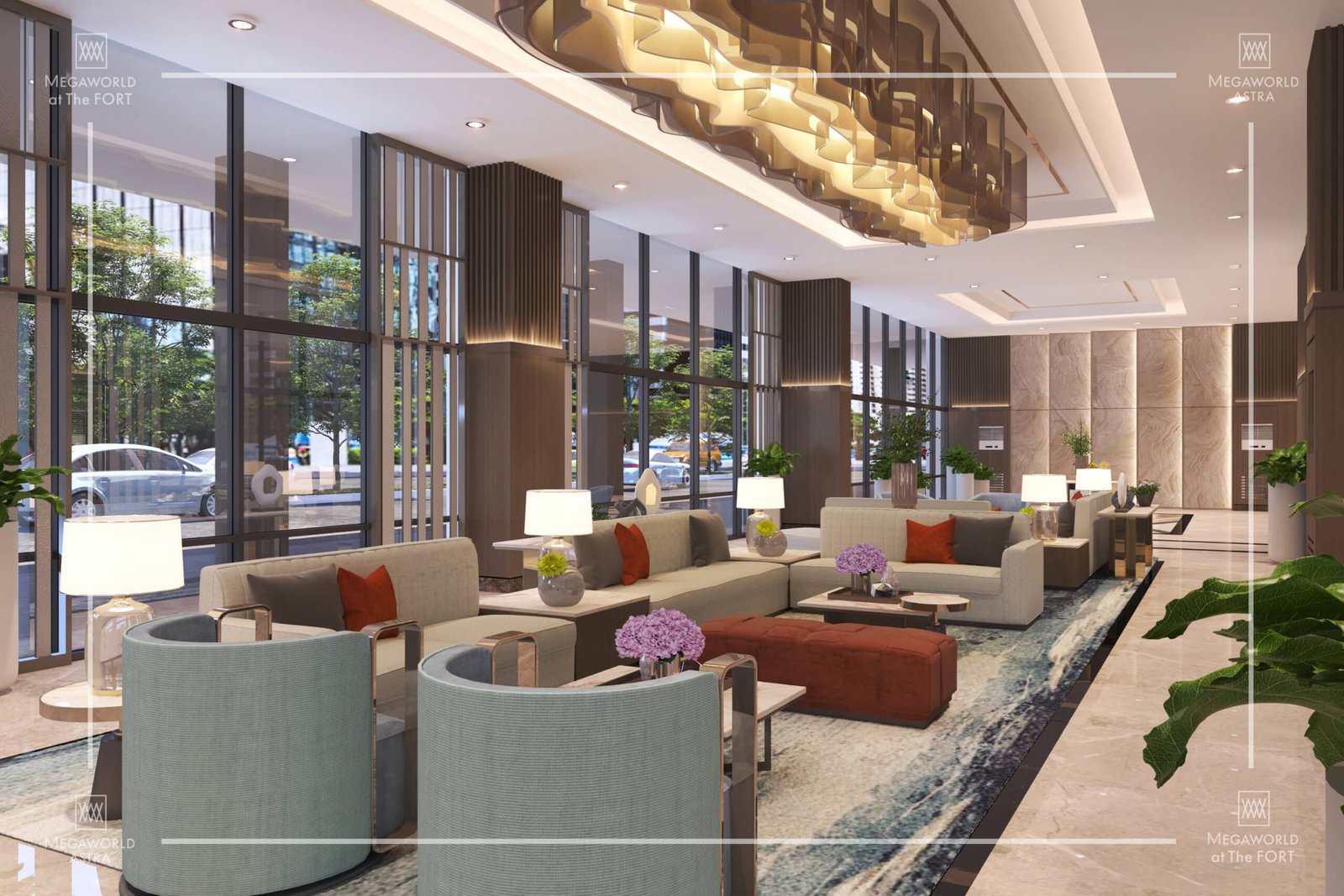
The mechanics — how the down payment schedule is structured, what "zero down" promos actually mean, and how the balloon payment at turnover gets financed — are covered in full in the pre-selling condos in Manila guide. What matters here is the affordability consequence: pre-selling is the only realistic path into any Makati district for a buyer in the income range this guide targets, and it is available in Poblacion and on the Chino Roces fringe today, which is precisely why those two areas anchor the "worth it" answer rather than Salcedo or Rockwell.
What pre-selling does not do: eliminate the total price. It restructures when you pay it. A first-time buyer still needs the balance — cash, savings, or a bank loan — ready at turnover, typically two to four years out, and skipping that planning step is the most common way a pre-selling purchase goes wrong.
Why Is Salcedo, Legazpi, or Rockwell Usually Out of Reach First-Time?
It is worth naming plainly why the CBD-core villages sit outside this guide's "worth it" answer, rather than leaving it as an implied conclusion. Salcedo and Legazpi's ₱180,000–₱280,000 per sqm range means even a modest 30-sqm 1-bedroom prices near ₱5.4M–₱8.4M — a level where a first-time buyer's installment payments during pre-selling, and especially the post-turnover amortization, routinely exceed what a ₱60,000–₱150,000 gross income comfortably services alongside normal living costs. Rockwell's ₱250,000–₱380,000 range pushes the same unit to ₱7.5M–₱11.4M, a tier that in practice is funded by dual-income households, prior equity from a first property sale, or investor capital — not a first purchase on a single salary.
None of this means these districts are bad buys. It means they answer a different question than "is Makati worth it for a first-time buyer" — they answer "is Makati worth it for a buyer who has already cleared the first-time hurdle elsewhere." Conflating the two is the single most common mistake in how Makati gets marketed to young professionals, and it is worth saying so directly rather than softening it.
There is a second-purchase path worth naming for a first-time buyer who genuinely wants Salcedo or Rockwell eventually: buy the Poblacion or Chino Roces unit first, let it appreciate or generate rental income over several years, and use the resulting equity to fund a move to the CBD-core villages later. This is a longer, two-step version of the same Makati ambition, and it is a more realistic plan for most buyers in this guide's income range than attempting Salcedo on a first purchase and stretching a payment plan past what is genuinely comfortable. Franchise Manila's 2026 brokerage data reports Salcedo and Legazpi compounding at roughly 5–8% annually over the past decade, which is the kind of appreciation that makes the two-step path arithmetically sound, even if it takes patience a marketing headline never mentions.
Is a BGC-Area Alternative a Better First Purchase Than Makati?
This is the comparison a first-time buyer should actually run, and it is more useful than treating Makati in isolation. Manila Skyline Condos has live, verified pre-selling inventory in Uptown Bonifacio, BGC — Uptown Modern — with current promo pricing and a payment plan we can walk a buyer through directly, something no Makati listing in this guide can offer, since none is sold or represented by Manila Skyline Condos. For a first-time buyer with no fixed anchor to the Makati CBD specifically, that concrete, showable alternative is worth weighing seriously before defaulting to a Poblacion pre-sell purely on Makati's name recognition. Ask us for the current Uptown Modern price list alongside a realistic Makati-area comparison before deciding.
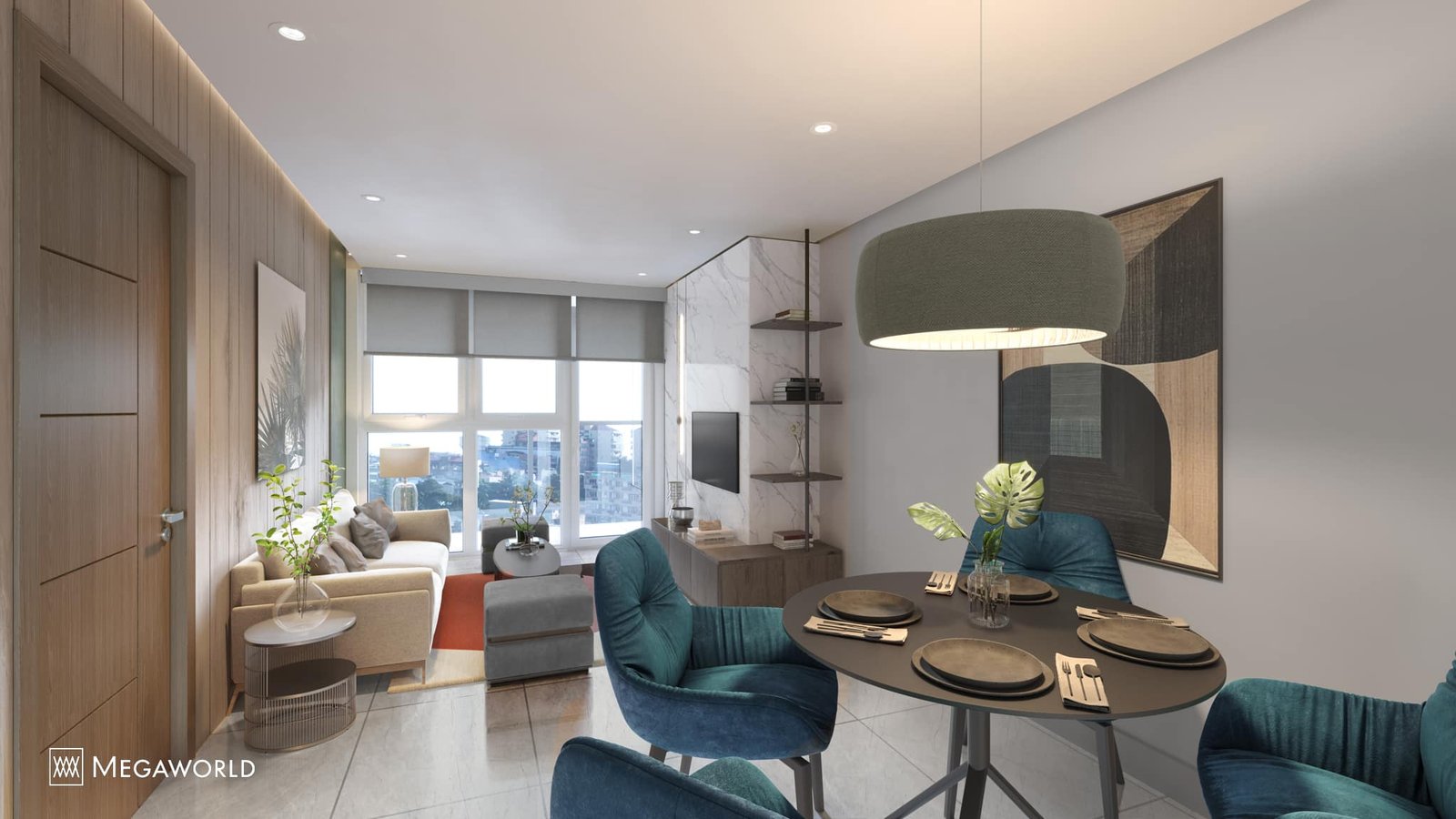
The honest trade-off, run side by side: Makati's Poblacion tier offers established street life, weekend markets, and MRT-3 rail access today, at a per-sqm price broadly comparable to or slightly below BGC's newer pre-selling stock. BGC's Uptown Bonifacio offers newer construction, a payment plan we can show in writing today, and no rail access yet. Neither answer is universally correct — the fuller head-to-head lives in Makati vs BGC and living in BGC 2026.
The practical filter: if a first-time buyer's job, family, or social circle genuinely anchors them to Makati, Poblacion or the Chino Roces fringe is the honest entry point, on pre-selling. If there is no fixed anchor, a live BGC-area pre-sell with a real price list on the table is worth comparing before committing to a Makati developer's sales office alone.
Should a First-Time Buyer Rent in Makati Before Buying?
Often, yes — and it is worth saying so, because a purchase-focused guide has an incentive to skip this answer. Renting a Poblacion studio first, at roughly ₱25,000–₱45,000/month, lets a first-time buyer live the Makati lifestyle, confirm the commute and the district actually suit them, and build savings toward a larger pre-selling down payment — all before locking a multi-year payment obligation on a unit they have not tested living near. The full rent-versus-buy break-even math, including how long a buyer needs to hold before ownership beats renting, is worked through in renting vs buying in Makati.
The counter-argument matters too: pre-selling prices and promos move, and a buyer who waits a full lease cycle to "be sure" sometimes buys the same unit type a year later at a higher price, or finds the specific promo they wanted has expired. There is no universally correct answer here — only a genuine trade-off between certainty and price-timing risk that a first-time buyer should weigh consciously rather than defaulting to either extreme.
A useful middle-ground question to ask before renting versus reserving: how confident is the buyer, today, that they will still want to live in or near Makati in three to four years, when the pre-selling unit turns over? A buyer relocating for a specific job with an uncertain multi-year horizon should weight renting more heavily, since a forfeited or resold pre-selling reservation carries real friction and sometimes real cost. A buyer with a stable, long-term reason to be in the area — family roots, a permanent role, a spouse's fixed workplace — can reasonably weight buying sooner, since the price-timing risk of waiting works against them more than the flexibility risk of committing early.
A workable middle path: reserve a pre-selling unit with a small reservation fee while continuing to rent through the early installment period. This keeps the buyer's options open — most developer contracts allow reassignment or resale of a reservation within a window — without requiring an immediate full commitment to either path.
Can a First-Time Buyer Get Pag-IBIG or Bank Financing for a Makati Unit?
Yes, and this is often the deciding factor in whether the post-turnover balance is manageable. Pag-IBIG Fund housing loans, available to qualifying Filipino members including OFWs, offer some of the lowest interest rates in the Philippine market for loan amounts within Pag-IBIG's ceiling — though that ceiling frequently falls short of a full Salcedo or Rockwell unit price, making Pag-IBIG financing a stronger fit for the Poblacion and Chino Roces tier this guide already recommends for first-timers. Bank financing fills the gap above the Pag-IBIG ceiling, typically at higher rates, with approval hinging on income documentation, employment tenure, and existing debt obligations. A first-time buyer should get a financing pre-qualification early — ideally before reserving a unit — so the turnover-day balance is not a surprise. In-house financing, offered directly by many developers as a third option alongside Pag-IBIG and bank loans, typically carries a shorter term and a higher effective rate than a bank mortgage but a faster, less documentation-heavy approval process — a reasonable bridge for a buyer whose income is real but not yet formally structured in a way banks prefer, such as a freelancer or a recently promoted employee without a long payslip history at the new salary tier. Tell us your income range and we can help you think through what financing route is realistic for a Poblacion, Chino Roces, or BGC-area first purchase.
Sources: Pag-IBIG Fund official housing loan program guidelines (pagibigfund.gov.ph); general bank financing terms per major Philippine banks, 2026 market data.
The sequencing that avoids the most regret: confirm financing eligibility and a realistic loanable amount before choosing a district, not after. A buyer who reserves a Salcedo unit assuming financing will "work itself out" is the most common source of a stalled or forfeited pre-selling purchase.
So, Is Makati Actually Worth It for a First-Time Buyer?
The honest answer, restated plainly: worth it, specifically, through a Poblacion or Chino Roces-fringe pre-selling unit, for a buyer with a genuine reason to be anchored to the Makati CBD. Not worth it, for the same buyer, in Salcedo, Legazpi, or Rockwell, where the numbers require an income tier or capital base most genuine first-timers do not yet have. And genuinely comparable — not automatically inferior — to a live BGC-area pre-sell for a buyer with no fixed Makati anchor, where Manila Skyline Condos can show a real price list rather than a market reference.
Tell us your income range, your target district, and whether Makati or a BGC-area alternative is the real question, and we'll walk through what's realistic — including the current Uptown Bonifacio pre-selling terms and how they compare to what a Makati pre-sell would actually cost you.
About the Author
MSC Editorial is the in-house editorial team of Manila Skyline Condos. The team researches Philippine condo buying, financing, and first-time buyer affordability using primary developer and Pag-IBIG sources, tracking Makati CBD pricing and live condo inventory across the Philippines.
A Quick, Honest Disclaimer
This guide is general information, not financial or investment advice. All Makati and BGC price figures are 2026 market estimates that vary by building, floor, and unit and should be confirmed directly with the developer or a licensed Philippine real estate broker. Named Makati developments and districts are referenced for market context only; Manila Skyline Condos has no live property listing in Makati. Financing eligibility, loan amounts, and rates should be confirmed directly with Pag-IBIG Fund or a licensed bank.
Frequently Asked Questions
Is Makati worth it for a first-time condo buyer?
Mainly through Poblacion or the Chino Roces Avenue fringe, on a pre-selling payment plan — these are the districts where a first-time buyer's typical income realistically funds a purchase. Salcedo, Legazpi, and Rockwell are usually out of reach on a single mid-career income without prior equity or a dual-income household.
What income do I need to buy a condo in Makati?
For a Poblacion or Chino Roces-fringe pre-selling studio or 1-bedroom, a gross monthly income in the ₱60,000–₱150,000 range is generally realistic on a staggered payment plan. Salcedo, Legazpi, and Rockwell units typically require higher income, prior equity, or dual-income households given their ₱180,000–₱380,000+ per sqm pricing.
What is the cheapest way to buy a condo in Makati?
A pre-selling unit in Poblacion or on the Chino Roces Avenue fringe, priced roughly ₱150,000–₱230,000 per sqm, is Makati's most attainable entry point. Reserving on pre-selling spreads the down payment across construction rather than requiring the full price upfront.
Should a first-time buyer rent in Makati before buying?
Often, yes. Renting a Poblacion studio first lets a buyer confirm the district and commute suit them and build savings toward a larger down payment, before committing to a multi-year pre-selling payment obligation. The full break-even math is in the renting vs buying in Makati guide.
Can I use Pag-IBIG financing to buy a condo in Makati?
Yes, for qualifying Filipino members including OFWs, though Pag-IBIG's loan ceiling frequently falls short of a full Salcedo or Rockwell unit price. It is a stronger fit for the Poblacion and Chino Roces-fringe tier this guide recommends for first-time buyers. Confirm current ceilings directly with Pag-IBIG Fund.
Is Salcedo Village realistic for a first-time buyer?
Generally, no, on a single mid-career income — Salcedo's ₱180,000–₱280,000 per sqm pricing puts even a modest 1-bedroom near ₱5.4M–₱8.4M, a level that typically requires a dual-income household, prior equity, or a higher income tier than a genuine first-time buyer usually has.
Is a BGC-area condo a better first purchase than a Makati one?
It depends on whether the buyer has a fixed reason to be in Makati specifically. Manila Skyline Condos has live pre-selling inventory in Uptown Bonifacio, BGC with a current price list — something no Makati listing here can offer, since none is sold by Manila Skyline Condos. For a buyer with no fixed Makati anchor, the BGC-area alternative is worth comparing seriously.
Does Manila Skyline Condos sell Makati condos to first-time buyers?
No. Manila Skyline Condos currently has no live property listing in Makati. Makati districts and pricing referenced in this guide are factual market information, not a listing. We can help a first-time buyer understand what's realistic and compare it against our live BGC-area pre-selling inventory.
How does pre-selling make Makati affordable for a first-time buyer?
Pre-selling lets a buyer reserve a unit with a small reservation fee, then pay the down payment in monthly installments spread across the 2–4 year construction period, rather than needing the full price in cash upfront. The balance is due at turnover through cash, bank, or in-house financing.
What happens if a first-time buyer can't afford the turnover balance?
The balance at turnover is typically covered by cash savings, bank financing, or in-house developer financing arranged in advance. A buyer who has not secured financing pre-qualification before turnover risks payment default, which can forfeit prior installments depending on the developer's contract terms — confirm financing eligibility early, before reserving.
Sources
Pricing and affordability figures in this guide are drawn from Manila Skyline Condos' living-in-makati-2026 and cost-of-living-makati-2026 pillar content (2026 market estimates), cross-checked against listing platforms and official financing sources below.
- Makati district pricing (Poblacion, Salcedo, Legazpi, Rockwell) — Lamudi Makati condo buy listings: https://www.lamudi.com.ph/buy/metro-manila/makati/condo/ ; Hoppler Rockwell listings: https://www.hoppler.com.ph/condominiums-for-sale/makati/rockwell-center ; Franchise Manila 2026 Makati Condo Rental Yield Report: https://franchisemanila.com/2025/12/2026-makati-condo-rental-yield-report-salcedo-legazpi-rockwell/
- Pag-IBIG Fund housing loan program — Pag-IBIG Fund official site: https://www.pagibigfund.gov.ph
- Condominium Act, foreign and general ownership structure — LawPhil, Republic Act No. 4726: https://lawphil.net/statutes/repacts/ra1966/ra_4726_1966.html
- BGC-area live inventory referenced (Uptown Modern) — Manila Skyline Condos internal VERIFIED-BUILDING-SPECS.md, cross-checked against Megaworld sources, 2026-06-07
- Property page (link target, verified location, June 2026): Uptown Modern — Uptown Bonifacio, BGC, Taguig (Megaworld): https://manilaskylinecondos.com/properties/uptown-modern
