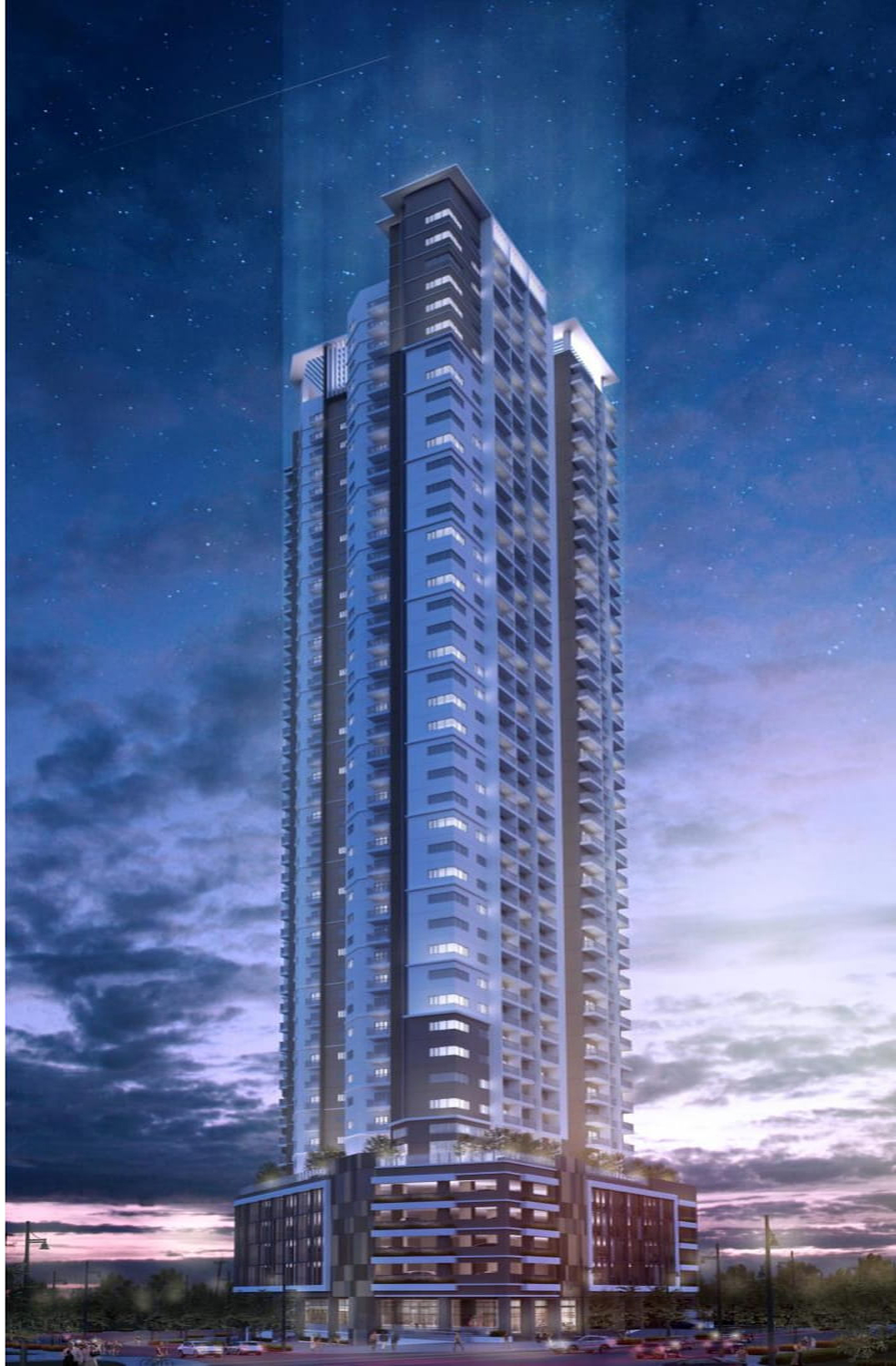
What 'RFO 2028' Actually Means: Construction Timelines, Turnover, and What Buyers Should Expect
What 'RFO 2028' Actually Means: Construction Timelines, Turnover, and What Buyers Should Expect
By MSC Editorial — the in-house editorial team of Manila Skyline Condos, tracking Philippine condo construction timelines, turnover mechanics, and live inventory across Metro Manila and Bulacan.
RFO means Ready For Occupancy — a unit that is built, inspected, and available to move into today. "RFO 2028" means something different: a pre-selling tower's projected turnover year, a target a developer is marketing toward, not a finished building. Confusing the two costs buyers real money and real timelines.
The confusion is understandable, because developers use "RFO" two different ways in the same sales conversation. Said alone, RFO describes a building's current status: construction is done, the occupancy permit is issued, and units are ready to hand over now. Attached to a year — "RFO 2028," "RFO 2029" — it describes a pre-selling tower's target turnover date, set at the point of reservation and subject to everything that can slow down a multi-year construction project in the Philippines. This guide walks through what that year tag actually represents, what the construction-to-turnover sequence looks like stage by stage, what happens the day you actually get your keys, and which Metro Manila and Bulacan towers have crossed that line already. For the pre-selling-versus-RFO purchase decision itself — pricing, appreciation, risk trade-offs — see the pre-selling vs. RFO comparison guide; this piece stays focused on what the term means and how the process actually runs.
Key Takeaways
- RFO alone means Ready For Occupancy — the building is finished, inspected, and available to move into now.
- "RFO 2028" is a projected turnover year on a pre-selling tower, not a finished building — 2028 is a target, not a fact, until the year actually arrives.
- Turnover runs through a defined sequence: excavation and foundation, structural topping-off, MEP fit-out, finishing, occupancy permitting, then unit-level handover.
- At turnover you get a walkthrough and a punch list — the developer is obligated to correct documented defects before you're expected to accept the unit.
- Projected turnover years slip for the same categories of reasons Philippine infrastructure timelines slip — permitting, financing and scope, and ordinary construction risk.
- Park McKinley West in McKinley West, Taguig has already reached RFO status with turnover underway; Uptown Modern and 9 Central Park are still pre-selling.
Quick orientation: This guide explains what "RFO" and "RFO [year]" actually mean and how the construction-to-turnover process runs, not the fuller pre-selling-versus-RFO purchase decision or the payment-balance mechanics — those live in their own dedicated guides, linked below where each topic comes up.
Can I Move In the Moment a Tower Gets an "RFO 2028" Tag?
No. This is the single most common confusion in how the term gets used, and it is worth answering directly before anything else. A tower carrying an "RFO 2028" tag in its marketing materials is not ready for occupancy today — it is a pre-selling project whose developer is projecting turnover sometime in or around 2028. The unit does not exist yet in a move-in-ready state. There is no occupancy permit, no completed unit, and no key to hand over. What exists is a reservation contract, a construction schedule, and a target date the developer believes it can hit based on where the project stood when that marketing material was produced.
True RFO — the term used by itself, with no year attached — means the opposite: the building has already been built, the local government unit has already issued the occupancy permit, and units are physically available to walk through and move into now. The distinction matters because it changes what you are actually buying. A pre-selling unit tagged "RFO 2028" is a promise backed by a construction schedule. A true RFO unit is a finished physical asset you can inspect before you sign anything.
RFO by itself means ready now. RFO with a year attached means a pre-selling tower's target — and a target is not the same thing as a fact.
What Does "RFO" Actually Stand For?
Ready For Occupancy is the plain meaning behind the acronym, and in the Philippine condo market it is a specific status, not a marketing adjective. A unit reaches RFO status once the building has topped off structurally, passed its finishing work, and received its occupancy permit from the local government unit (LGU) where the project sits — the government sign-off that confirms the structure is safe to inhabit. Before that point, no matter how far along construction looks in renderings or site photos, the building is still pre-selling.
Pre-selling and RFO sit at opposite ends of the same construction timeline. Pre-selling units are sold and reserved years before the building exists, at lower entry pricing and with payment spread across the construction period. RFO units are sold after the building is finished, at a higher price point that reflects the finished product, with a shorter, front-loaded payment structure because there is no more construction risk to price in. The pre-selling condos in Manila guide covers how that earlier-stage pricing and payment structure actually works; the direct trade-off between choosing pre-selling versus RFO is covered in full in the pre-selling vs. RFO comparison, including which buyer profile fits which option.
What Does an "RFO 2028"-Style Year Tag Mean in Developer Marketing?
When a developer attaches a year to RFO in a sales deck or a listing headline, that year is the projected turnover date calculated from the construction schedule in place at the time the tower started pre-selling. It is a planning estimate, produced the same way the airport and rail projects covered elsewhere on this site produce their own target dates — based on the best information available when the schedule was set, not a contractual guarantee of a specific handover date.
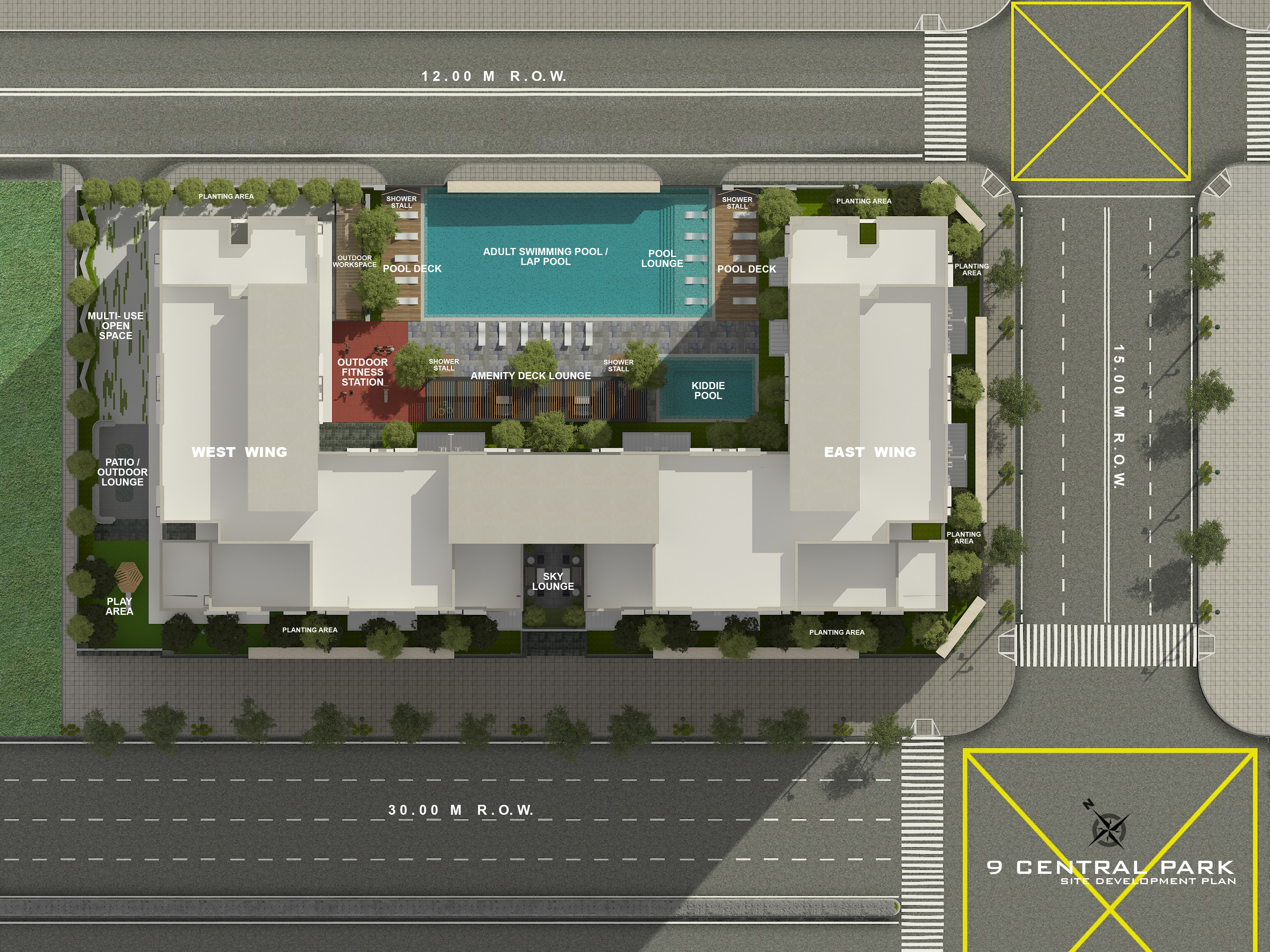
9 Central Park in Northwin Global City is a useful illustration of what a year-tagged pre-selling project actually looks like at this stage: a site development plan, a construction schedule, and a projected turnover window — not a completed structure. Uptown Modern in Uptown Bonifacio, BGC is in the same category: pre-selling, with unit pricing and monthly amortization already published, but still working through its own construction sequence toward a projected completion rather than standing finished today. Neither building's specific completion year is treated as fixed here — developer schedules move, and a specific year printed in a brochure today is a target, exactly like every other Philippine construction timeline covered on this site.
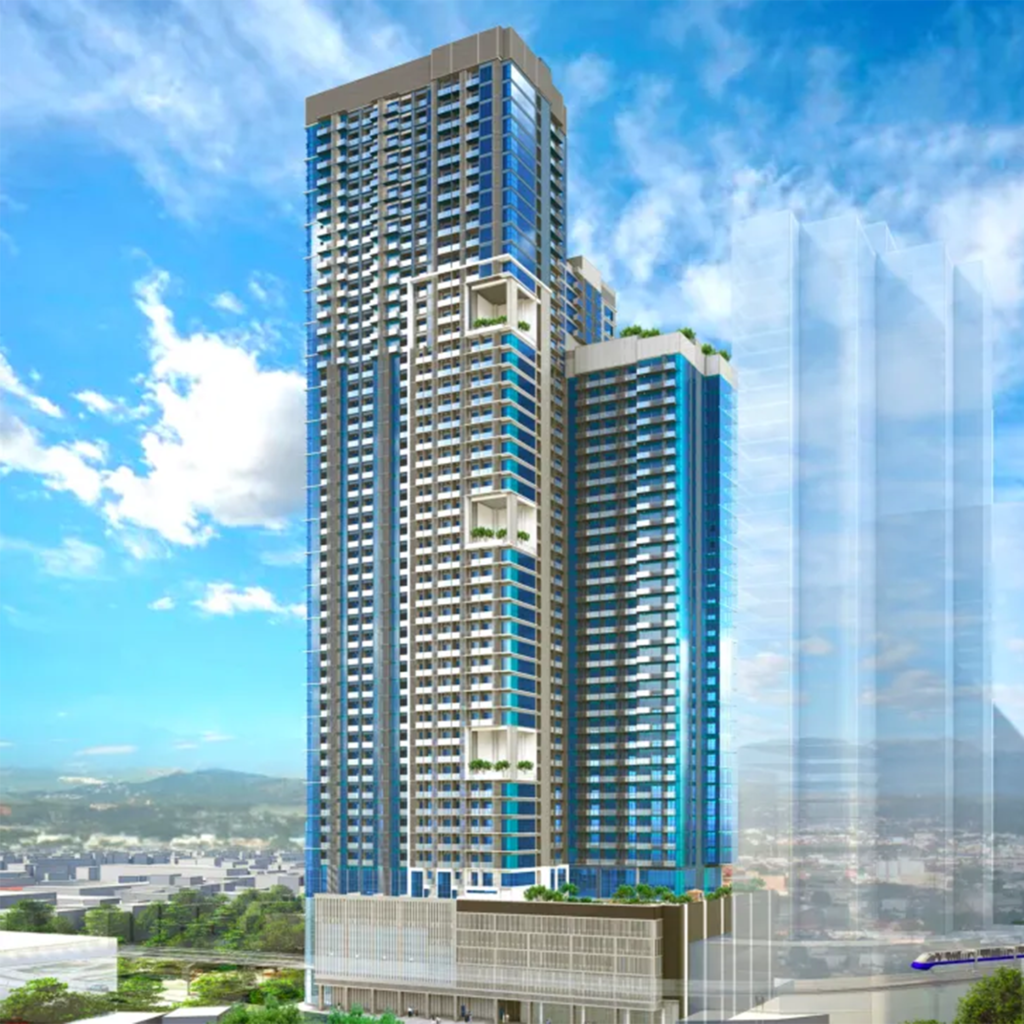
The practical rule for a buyer: treat any year attached to RFO in a listing the same way you would treat any infrastructure completion date in the Philippines — a current best estimate, useful for planning, not something to build your move-in date around without a buffer. The pre-selling condos in Manila guide covers how entry pricing and payment staggering work for exactly this kind of year-tagged pre-selling unit.
What Are the Stages Between Groundbreaking and Turnover?
The path from an empty lot to a finished, RFO tower follows a consistent sequence across Philippine condo developers, even though the exact duration of each stage varies by project size and site conditions. Laid out end to end, it looks like this.
| Phase | Typical stage | What's happening | Buyer action |
|---|---|---|---|
| Excavation & foundation | Years 1–2 of construction | Site clearing, piling, and the foundation and basement levels are built | Reservation and initial down payment stages; monitor site-visit updates |
| Structural build / topping-off | Mid-construction | Floor-by-floor structural work rises until the building reaches full height ("topping-off") | Continue staggered down payment; this is the most visually dramatic progress stage |
| MEP fit-out | Post-topping-off | Mechanical, electrical, and plumbing systems are installed floor by floor | Confirm your unit's floor and orientation against the current construction photos |
| Finishing works | Late construction | Flooring, fixtures, painting, and common-area finishing are completed | Request updated turnover estimates; start preparing turnover-balance financing |
| Occupancy permitting | Pre-turnover | The LGU inspects the finished building and issues the occupancy permit | Confirm your balance payment or loan proceeds are ready to release |
| Unit-level turnover | RFO reached | Walkthrough, punch list, defect correction, then key handover to you | Attend the walkthrough in person; document every defect in writing |
This sequence reflects the standard order Philippine condo developers follow; exact durations for any specific MSC building should be confirmed directly, since site conditions, tower height, and permitting speed all shift the actual pace.
Every stage in this table has already happened, in order, for a finished RFO tower. For a pre-selling unit, some of these stages are still ahead — and the further along the sequence, the more reliable the projected turnover date becomes.
What Actually Happens During Your Unit's Turnover Walkthrough?
Turnover is not a single event where you show up and get handed a key. It is a process, and the first part of it is the walkthrough — a joint inspection of your specific unit, usually scheduled once the developer notifies you that your floor or building phase has reached RFO status. You walk the unit with a developer representative, checking finishes, fixtures, plumbing, electrical outlets, doors, windows, and any built-in features against what was specified in your contract to sell.
Anything that doesn't match — chipped tiles, misaligned cabinetry, non-functioning outlets, paint defects — goes onto a punch list: a written, itemized record of deficiencies. The developer is obligated to correct everything on that punch list before you are expected to accept the unit and sign the acceptance or turnover document. This is the buyer's real leverage point in the whole process, and it is worth taking seriously — photograph every defect, get the punch list in writing with a correction timeline, and do not sign a full acceptance until the corrections are actually done, not just promised.
Once your unit-level turnover is complete, a separate, building-wide step follows: turnover of the condominium corporation or homeowners' association (HOA) from the developer to the unit owners collectively. This is when day-to-day building management — amenities, security, common-area maintenance, association dues collection — formally shifts from the developer's hands to the owners' association the building's residents will eventually run themselves.
When Is the Turnover Balance Actually Due?
The balance payment mechanics are covered in depth in the condo payment terms guide, so this section stays brief — the short version is enough context here. For a standard pre-selling purchase, the reservation fee and staggered down payment (typically 10–35% of the total contract price) are paid across the construction period at zero interest, and the remaining 65–90% balance becomes due at or near turnover, financed through a bank loan, Pag-IBIG housing loan, or in-house developer financing.
A true RFO purchase runs on a different, faster clock: because the building already exists, the down payment is typically 10–20% of the price, due within 30–60 days of reservation — not staggered across years — with the balance due shortly after, since there is no more construction period left to spread payments across. For the exact staggered-payment math on a pre-selling schedule, including how a reduced or zero-down structure actually works, see the zero-down payment schedule guide; for how a specific monthly amortization figure gets calculated once financing is in place, see the monthly amortization computation guide.
One protection worth knowing regardless of which payment track you're on: the Maceda Law (Republic Act 6552) gives buyers who have paid at least two years of installments a grace period of one month for every year of payments made, and a minimum 60-day grace period for buyers under two years in — before a developer can cancel a contract for missed payments. After five years of payments, buyers who do default are entitled to a cash surrender value starting at 50%, rising 5% per year paid, capped at 90% of total payments made. Knowing this protects you if turnover timing and your own financing readiness don't line up perfectly.
A slipped turnover date is a scheduling problem, not a payment default. The Maceda Law protects buyers who have kept up their installments even when the building itself is running behind its own projected year.
Why Do Projected Turnover Years Slip?
A tower tagged "RFO 2028" today missing that target by a year or two would not be unusual — Philippine construction timelines have a documented pattern of slipping, for reasons that fall into a few consistent categories rather than being random bad luck.
Land and site risk covers anything that delays the earliest stages — soil conditions, site access, or utility connections that take longer than scheduled. Financing and scope risk covers the reality that a multi-year build is exposed to shifting costs of materials, labor, and capital, which can slow the pace of construction if a developer needs to re-sequence spending. Administrative and regulatory risk covers permitting — DHSUD's License to Sell requirement under Presidential Decree 957, plus the LGU's own building and occupancy permit reviews, both of which run on government timelines a developer doesn't fully control. Ordinary construction risk covers weather, supply chains, and labor availability — the same everyday variables that affect any large physical build anywhere.
None of this means a projected turnover year is meaningless — it means treating it the way this site treats every other Philippine infrastructure and construction date: a current best estimate, not a locked commitment. The pre-selling investment risks guide covers this same risk category in more depth for buyers weighing a pre-selling purchase specifically as an investment, alongside the pricing upside that pre-selling early typically carries.
A tower missing its projected turnover year by twelve to eighteen months is a scheduling slip, not a broken project — the same distinction this site draws for every large Philippine infrastructure timeline it covers.
It also helps to size that risk correctly rather than dismiss it outright. A buyer who reserved specifically because "RFO 2028" fit a personal deadline — a lease ending, a family relocation, a loan pre-approval with an expiry date — is more exposed to a slip than a buyer who reserved because the unit, the location, and the staggered pricing already worked on their own terms, with the projected year treated as a bonus rather than a load-bearing assumption. The stronger position is the second one: decide on the building and the numbers first, and treat the projected turnover year as useful planning information rather than the reason for the purchase.
Which MSC Buildings Are Actually RFO Today, and Which Are Still Pre-Selling?
The clearest way to see the difference between "RFO" and "RFO [year]" is to look at real buildings sitting on each side of that line right now.
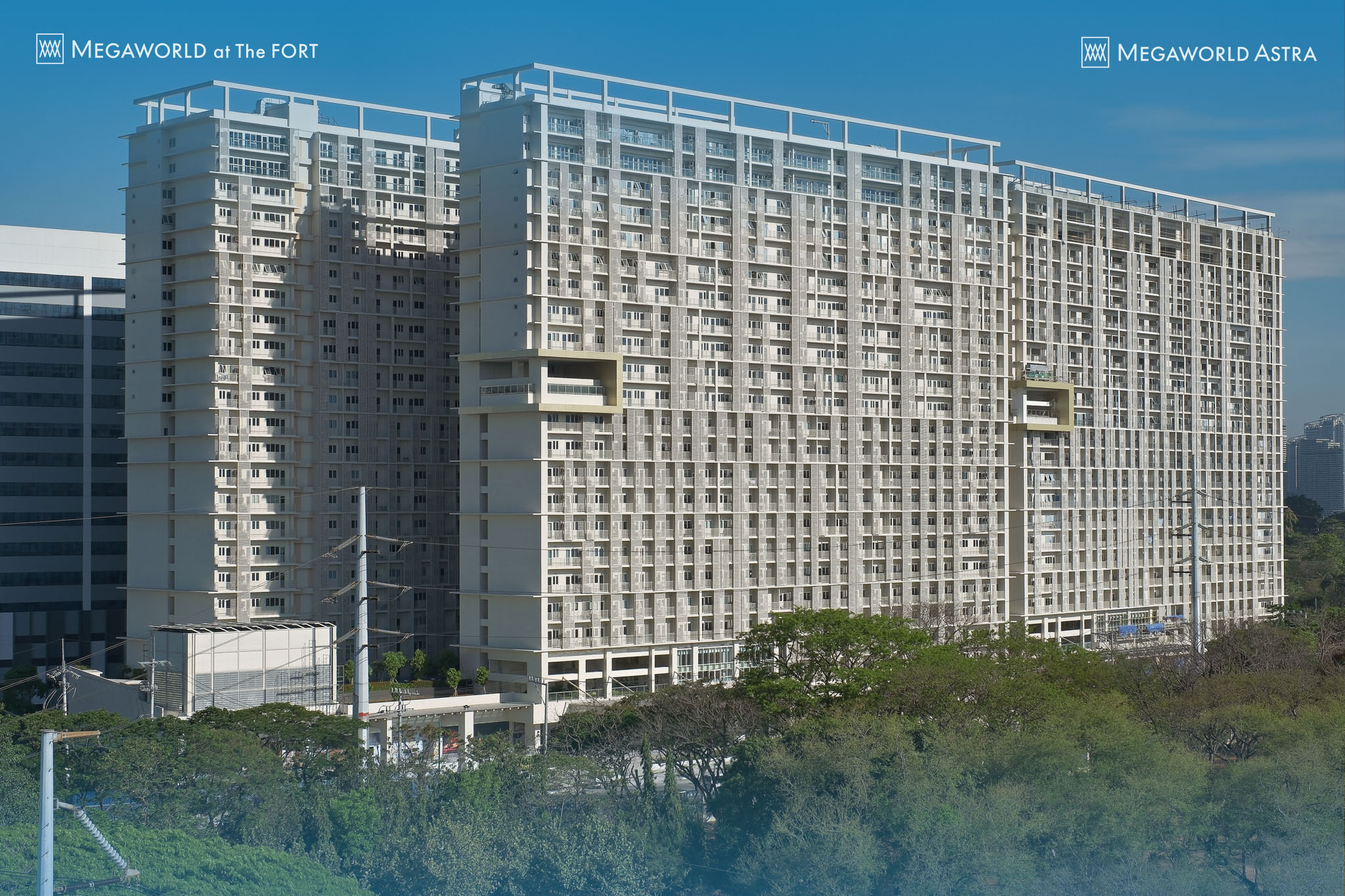
Park McKinley West, in McKinley West, Taguig, has already reached RFO status: turnover is underway, and remaining inventory is limited — the opposite situation from a pre-selling tower still working through the stages in the table above. A buyer choosing this building today is buying a real, inspectable, finished unit, not a construction-schedule projection.
Uptown Modern, in Uptown Bonifacio, BGC, and 9 Central Park, in Northwin Global City, Bulacan, both sit on the other side of that line — pre-selling, with published unit pricing and monthly amortization already available, but still moving through construction toward their own projected turnover dates. Neither building's specific completion year is asserted here as fixed; both should be confirmed directly against current construction status before treating any projected date as settled. The practical difference for a buyer: Park McKinley West lets you inspect what you're buying before you sign; Uptown Modern and 9 Central Park ask you to buy against a schedule that is still running.
What Documents Should You Receive at Turnover?
Turnover produces a specific paper trail, and knowing what to expect helps you spot a gap before it becomes a problem later. The first document is the Certificate of Occupancy, issued by the LGU once the building passes its final inspection — this is the government's confirmation that the structure is legally safe to inhabit, and it should exist before your own unit-level turnover happens.
The second is your Condominium Certificate of Title (CCT) process — the title document specific to condo units, issued once the developer completes the subdivision of the building into individually titled units and the Registry of Deeds processes the transfer into your name. This step often trails behind physical turnover, since it depends on registry processing time rather than construction progress, so a signed deed of sale or contract to sell being converted into your own CCT is a separate milestone worth tracking — not something that automatically happens the day you get your keys. The document and title checklist guide covers this process step by step, including what a foreign buyer specifically needs to confirm.
The third set is your association turnover documents — the HOA or condo corporation's governing rules, your certificate of membership, and the schedule of association dues you'll start paying once building management shifts from developer to owners' association. Budgeting for these dues, along with other turnover-adjacent costs that don't show up in the headline unit price, is covered in the hidden costs of a pre-selling condo guide — useful reading before turnover arrives, not after.
Physical turnover and title turnover are two different clocks. Getting your keys does not mean your CCT has already been processed — track both separately, and don't assume one confirms the other.
Keep copies of everything from this list in one place — the Certificate of Occupancy reference, your signed punch list with correction dates, your acceptance or turnover document, and any association paperwork. If a dispute over a defect or a delayed title ever comes up later, this is the paper trail that actually settles it, not a verbal assurance from a sales agent.
About the Author
MSC Editorial is the in-house editorial team behind this guide — the house editorial brand for Manila Skyline Condos. The team researches Philippine condo buying, financing, and construction timelines using primary legal and developer sources, cross-checking building status against current developer reporting before publishing.
A Quick, Honest Disclaimer
This guide is general information, not legal or financial advice. Projected turnover years referenced generically in this guide (including any "RFO [year]" style tag) are developer targets subject to delay — Philippine construction timelines have a documented history of slipping. Park McKinley West's RFO status, and Uptown Modern's and 9 Central Park's pre-selling status, reflect status as researched; confirm current status and any specific completion date directly before treating it as settled. Nothing here should be read as a guarantee of any specific turnover date. Contact us for current building status and turnover timelines.
Frequently Asked Questions
Does "RFO 2028" mean the unit is ready to move into now?
No. "RFO 2028" is a pre-selling tower's projected turnover year, set by the developer's construction schedule at the time of marketing — not a finished building. A unit is only actually ready for occupancy once construction is complete and the occupancy permit is issued. Treat the year as a target, not a move-in date.
What does RFO stand for?
Ready For Occupancy. Used by itself, it describes a building's current status: construction is finished, the local government unit has issued the occupancy permit, and units are physically available to inspect and move into now.
What's the difference between pre-selling and RFO?
Pre-selling units are reserved and sold years before the building is finished, with payments staggered across construction at typically lower entry pricing. RFO units are sold after the building is finished, at a higher price reflecting the completed product, with a shorter, front-loaded payment structure. The full comparison, including which fits which buyer, is in the pre-selling vs. RFO guide.
What actually happens during a turnover walkthrough?
You inspect your specific unit with a developer representative, checking finishes, fixtures, plumbing, and electrical against your contract. Any deficiencies go onto a written punch list, which the developer is obligated to correct before you're expected to sign full acceptance of the unit.
When is the balance payment due relative to turnover?
For a pre-selling purchase, the remaining 65–90% balance is typically due at or near turnover, financed through a bank loan, Pag-IBIG, or in-house financing. For a true RFO purchase, the down payment (10–20%) is due within 30–60 days of reservation, with the balance following shortly after since there's no remaining construction period to spread it across.
Why do developers' projected turnover years slip?
Four recurring categories: land and site risk (soil, access, utility delays), financing and scope risk (shifting material, labor, and capital costs over a multi-year build), administrative and regulatory risk (DHSUD License to Sell and LGU permitting timelines), and ordinary construction risk (weather, supply chains, labor availability).
Which MSC building has actually reached RFO status?
Park McKinley West, in McKinley West, Taguig. Turnover is already underway there and remaining inventory is limited — a finished, inspectable building rather than a construction-schedule projection.
Are Uptown Modern and 9 Central Park RFO yet?
No, both are still pre-selling. Uptown Modern sits in Uptown Bonifacio, BGC, and 9 Central Park sits in Northwin Global City, Bulacan. Both have published pricing and payment terms, but both are still moving through their own construction sequences toward a projected turnover rather than standing finished today.
What documents should I receive at turnover?
Three: the Certificate of Occupancy issued by the LGU confirming the building is legally safe to inhabit, your own Condominium Certificate of Title (CCT) once the Registry of Deeds processes your unit's individual title, and your association turnover documents covering HOA governance and dues once building management shifts from developer to owners.
What legal protection do I have if turnover is delayed?
The Maceda Law (Republic Act 6552) gives buyers who've paid at least two years of installments a grace period of one month per year paid, and a 60-day minimum grace period for buyers under two years in, before a developer can cancel for missed payments. It also sets cash surrender value entitlements starting at 50% after five years of payments, rising 5% per year paid, capped at 90%.
Talk to us about a specific building's current turnover status and we'll confirm whether it's actually RFO, still pre-selling against a projected year, or somewhere in the walkthrough-and-punch-list stage — alongside how the balance payment and any turnover-adjacent costs would actually work for that specific unit.
Sources
Legal, regulatory, and building-status facts in this guide were verified against the sources below. Any specific turnover year mentioned generically in this guide is a developer target, not a confirmed fact, and is framed that way throughout.
- Maceda Law — Republic Act 6552, grace periods and cash surrender value — LawPhil: https://lawphil.net/statutes/repacts/ra1972/ra_6552_1972.html ; DHSUD Maceda Law FAQs: https://dhsud.gov.ph/maceda-law-ra-6552-legal-faqs/
- Presidential Decree 957 — License to Sell, developer obligations, subdivision and condominium buyer protection — LawPhil: https://lawphil.net/statutes/presdecs/pd1976/pd_957_1976.html ; DHSUD PD 957 FAQs: https://dhsud.gov.ph/p-d-no-957-legal-faqs/
- Occupancy permitting and condominium title (CCT) process — DHSUD official regulatory guidance on developer licensing and occupancy permits (dhsud.gov.ph); Registry of Deeds condominium title issuance is a standard post-turnover government process described generically, not tied to a specific case file.
- Park McKinley West — McKinley West, Taguig · RFO, turnover underway, limited inventory — VERIFIED-BUILDING-SPECS.md (cross-checked Megaworld sources, 2026-06-07).
- Uptown Modern — Uptown Bonifacio, BGC · Pre-selling · monthly amortization from ~₱18,500/mo — VERIFIED-BUILDING-SPECS.md (own-curled megaworldcbd.com/uptown-modern, 2026-07-11).
- 9 Central Park — Northwin Global City, Bulacan · Pre-selling · from ~₱10,000/mo · 478 units — VERIFIED-BUILDING-SPECS.md (cross-checked Megaworld sources, 2026-06-07).
- Condo payment mechanics (reservation fee, down payment staggering, turnover balance) — cross-referenced against this site's own condo-payment-terms-explained guide, itself sourced to Pag-IBIG official documentation: https://www.pagibigfund.gov.ph/HousingLoanProgram_RHLP.html
